Essential Home Inspection Guide for Dallas-Fort Worth Homebuyers
Learn what professional inspectors evaluate and how to identify potential issues before you commit to your purchase.

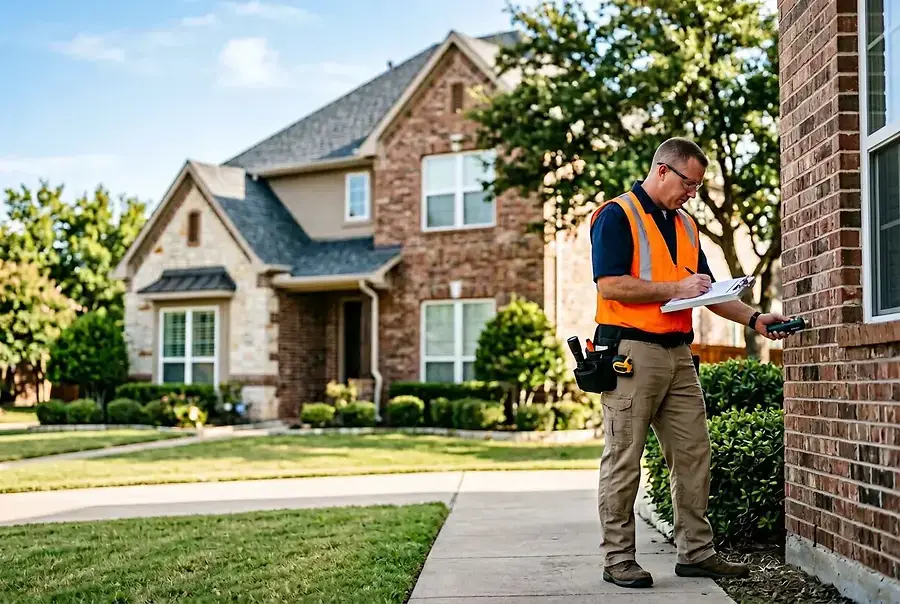
Understanding the Home Inspection Process
A home inspection is one of the most critical steps in the homebuying journey. This comprehensive evaluation by a licensed professional examines the structural integrity, mechanical systems, and overall condition of a property. In the Dallas-Fort Worth area, inspections typically take 2-3 hours and cover everything from the foundation to the roof.
During a standard inspection, professionals evaluate:
- Structural components - Foundation, walls, and framing
- Roofing systems - Shingles, flashing, and gutters
- HVAC systems - Heating, cooling, and ventilation
- Plumbing - Pipes, fixtures, and water pressure
- Electrical systems - Panels, wiring, and outlets
- Interior elements - Walls, ceilings, floors, and doors
- Exterior features - Siding, windows, and landscaping
It's important to note that home inspections are visual assessments only. Inspectors do not move items, break into walls, or perform invasive testing. They provide an overview of the property's condition based on what's visible and accessible.
Common Issues Found in Dallas-Fort Worth Homes
Climate-Related Concerns
The Texas climate presents unique challenges for homeowners. The intense heat and occasional severe weather can accelerate wear on roofing materials and HVAC systems. Many DFW homes experience issues with:
- Premature roof deterioration from UV exposure
- Air conditioning system strain and efficiency loss
- Foundation movement due to expansive clay soil
- Moisture intrusion during heavy rainfall
Age-Related Issues
Older homes in the Dallas-Fort Worth area often have outdated electrical systems, plumbing materials, and insulation. Galvanized pipes, common in homes built before the 1980s, may show signs of corrosion and reduced water pressure. Knob-and-tube wiring, while rare, can still be found in some vintage properties.
Water Damage and Drainage Problems
Poor grading, inadequate gutters, and foundation cracks can lead to water intrusion. Inspectors frequently identify issues with:
- Basement or crawl space moisture
- Improper drainage around the foundation
- Damaged or missing caulking around windows and doors
- Roof leaks or improper flashing installation
HVAC System Deficiencies
Given the demanding climate, HVAC systems are critical in DFW homes. Common findings include undersized units, lack of proper maintenance, refrigerant leaks, and aging compressors that may fail soon after purchase.
How to Review and Respond to Inspection Reports
Understanding the Report Format
Home inspection reports typically categorize findings into three levels: major issues, minor issues, and maintenance recommendations. Major issues require immediate attention and may affect your decision to purchase. Minor issues are typically cosmetic or involve components with remaining lifespan. Maintenance recommendations are preventative measures to extend the life of home systems.
Prioritizing Your Concerns
Not every finding requires negotiation. Focus on issues that affect:
- Safety and habitability
- Structural integrity
- Major system functionality
- Estimated repair costs exceeding $1,000
Remember: You don't need a perfect home, but you need to understand what you're buying and budget accordingly for repairs.
Negotiation Strategies
Once you receive the inspection report, you have several options. You can request repairs from the seller, ask for a credit toward closing costs, or negotiate a price reduction. In the competitive Dallas-Fort Worth market, sellers may be less willing to make repairs, making a price reduction or credit more realistic.
Obtain repair estimates from licensed contractors for significant issues. This gives you concrete numbers to present during negotiations and helps you understand the true cost of addressing problems.
Taking Action: Next Steps After Inspection
Schedule a Follow-Up Inspection
For major issues, consider hiring a specialist. A structural engineer can assess foundation concerns, while an HVAC technician can evaluate system condition and remaining lifespan. These specialized inspections typically cost $300-$800 but provide valuable peace of mind.
Get Multiple Repair Quotes
Before finalizing negotiations, obtain at least two quotes from licensed, insured contractors. This ensures you're not overpaying and helps you understand the scope of work needed. Keep these quotes for your records and future reference.
Plan Your Budget
Even if the seller addresses inspection issues, budget for ongoing maintenance. New homeowners should plan for:
- Annual HVAC maintenance and filter changes
- Roof inspections every 3-5 years
- Plumbing and electrical system checks
- Foundation monitoring in areas with clay soil
Document Everything
Keep copies of the inspection report, all repair estimates, and any agreements with the seller. These documents are valuable for insurance purposes, future sales, and warranty claims. This paper trail protects your investment and provides documentation of the home's condition at purchase.
Move Forward with Confidence
A thorough home inspection empowers you to make an informed decision. Whether you proceed with the purchase, renegotiate terms, or walk away, you're doing so with complete knowledge of the property's condition. In the Dallas-Fort Worth real estate market, this information is invaluable.
Remember that no home is perfect. The goal of an inspection is to identify issues so you can budget appropriately and plan for necessary repairs or maintenance. Armed with this knowledge, you can confidently move forward with your homebuying journey.


