Essential Home Inspection Guide for DC Metro Area Buyers and Sellers
Learn what professional inspectors look for and how to protect your investment in Maryland, Virginia, and DC properties.

Why Home Inspections Matter in the Competitive DC Metro Market
The DC Metro real estate market moves fast. Properties in Maryland, Virginia, and Washington, DC attract competitive bidders, and homes often sell within days of listing. In this high-pressure environment, a thorough home inspection becomes your most valuable tool for protecting your investment and making informed decisions.
Whether you're a first-time buyer or an experienced investor, understanding what inspectors evaluate can save you thousands of dollars in unexpected repairs. A professional home inspection provides an objective assessment of a property's condition, revealing hidden issues that might not be visible during a casual walkthrough.
For buyers: An inspection contingency gives you leverage to negotiate repairs or price reductions before closing. For sellers: A pre-listing inspection helps you address issues proactively and build buyer confidence in your property.
Key Areas Inspectors Evaluate: Structural, Systems, and Safety Concerns
Foundation and Structural Integrity
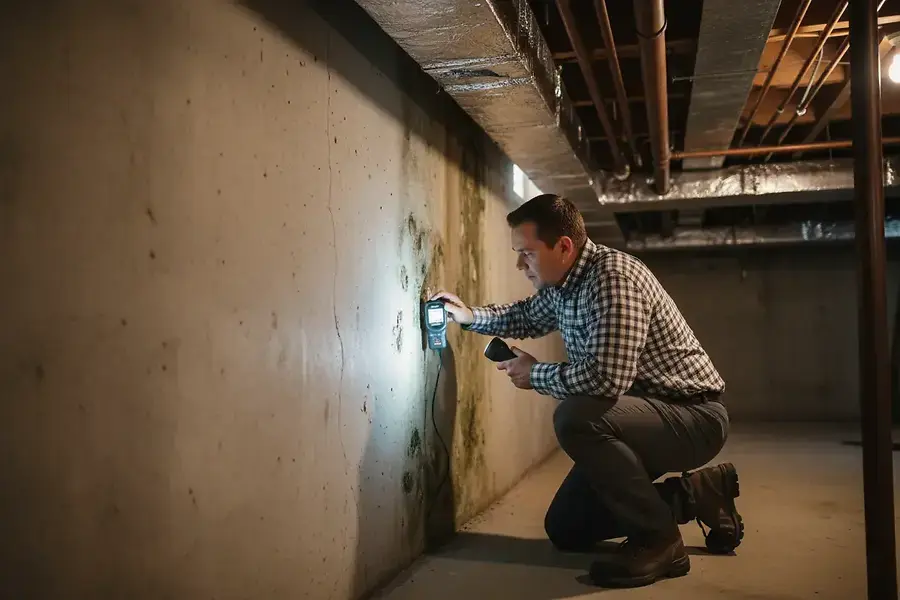
Inspectors begin by examining the foundation, looking for cracks, settling, water damage, and signs of structural movement. In the DC Metro area, many homes are built on clay soil that expands and contracts with moisture changes, making foundation issues particularly common. Inspectors check basement walls, crawl spaces, and the overall structural frame for any signs of compromise.
Roofing and Exterior
The roof is one of your home's most critical protective barriers. Inspectors evaluate:
- Shingle condition and remaining lifespan
- Flashing around chimneys and vents
- Gutters and downspouts
- Siding, windows, and doors for water intrusion
- Deck safety and structural integrity
Given the DC area's humid climate and seasonal weather variations, proper drainage and weatherproofing are essential to prevent costly water damage.
Plumbing Systems
Inspectors test water pressure, check for leaks, and evaluate the condition of pipes throughout the home. In older DC Metro properties, outdated galvanized pipes or polybutylene plumbing may require replacement. They also assess the water heater's age and condition, as well as the septic or sewer system's functionality.
Electrical Systems
A comprehensive electrical inspection includes checking the panel, circuit breakers, outlets, and wiring. Inspectors look for outdated systems, improper grounding, and code violations that could pose safety hazards. Many older homes in the DC area may have insufficient electrical capacity for modern appliances and technology.
HVAC and Climate Control
Heating and cooling systems are evaluated for age, maintenance history, and proper operation. Inspectors check furnaces, air conditioning units, ductwork, and insulation. In the DC Metro's variable climate, an efficient HVAC system is crucial for comfort and energy costs.
Interior Conditions and Safety Features
Inspectors examine:
- Walls, ceilings, and floors for damage or moisture
- Doors and windows for proper operation
- Appliances included in the sale
- Smoke and carbon monoxide detectors
- Stair railings and handrails for safety compliance
- Attic ventilation and insulation
Red Flags and Deal-Breaker Issues to Watch For During Inspections
Water Damage and Mold
Water intrusion is one of the most expensive problems to remediate. Look for staining on ceilings, walls, or in basements. Mold growth indicates ongoing moisture issues and can pose health risks. These problems often require professional remediation and may indicate deeper structural concerns.
Termite and Pest Damage
Wood-destroying insects are common in the DC Metro region's humid environment. Termite damage can compromise structural integrity and be extremely costly to treat. Inspectors use specialized tools to detect infestations that aren't visible to the naked eye.
Outdated or Hazardous Materials
Older homes may contain asbestos, lead paint, or other hazardous materials. While not always deal-breakers, these require professional abatement and add to renovation costs. Understanding these issues helps you budget appropriately.
Major System Failures
A roof nearing the end of its lifespan, a failing HVAC system, or a compromised foundation can cost $10,000 to $50,000+ to repair. These issues significantly impact your offer price and negotiating position.
Code Violations and Unpermitted Work
Additions, renovations, or electrical work completed without proper permits can create liability issues and complicate future sales. Inspectors identify unpermitted work that may need to be brought up to code.
Inadequate Drainage
Proper grading and drainage systems are critical in the DC area. Poor drainage leading to basement flooding or foundation damage is a serious concern that requires expensive solutions.
Using Inspection Results to Negotiate and Make Confident Offers
Once you receive the inspection report, you have several options:
- Request repairs: Ask the seller to fix significant issues before closing
- Negotiate a price reduction: Reduce your offer to account for repair costs
- Request credits: Have the seller provide funds at closing to cover repairs you'll handle
- Walk away: If major issues exceed your budget or comfort level, you can terminate the contract
In the competitive DC Metro market, being prepared with inspection knowledge gives you confidence to make strong offers. Understanding what inspectors evaluate helps you ask informed questions during showings and anticipate potential issues.
Pro tip: Consider hiring a home inspector before making an offer. Some sellers offer pre-inspection reports to demonstrate transparency and attract serious buyers. This can give you a competitive advantage in a fast-moving market.
A professional home inspection is an investment in your peace of mind and financial security. Whether you're buying your first home in Arlington, a townhouse in Baltimore, or a single-family property in Fairfax, understanding the inspection process empowers you to make confident decisions and protect your investment in the DC Metro real estate market.