Essential Home Inspection Guide for Denver Metro Area Buyers
Discover what professional home inspectors look for and how to protect your investment in Colorado residential properties.

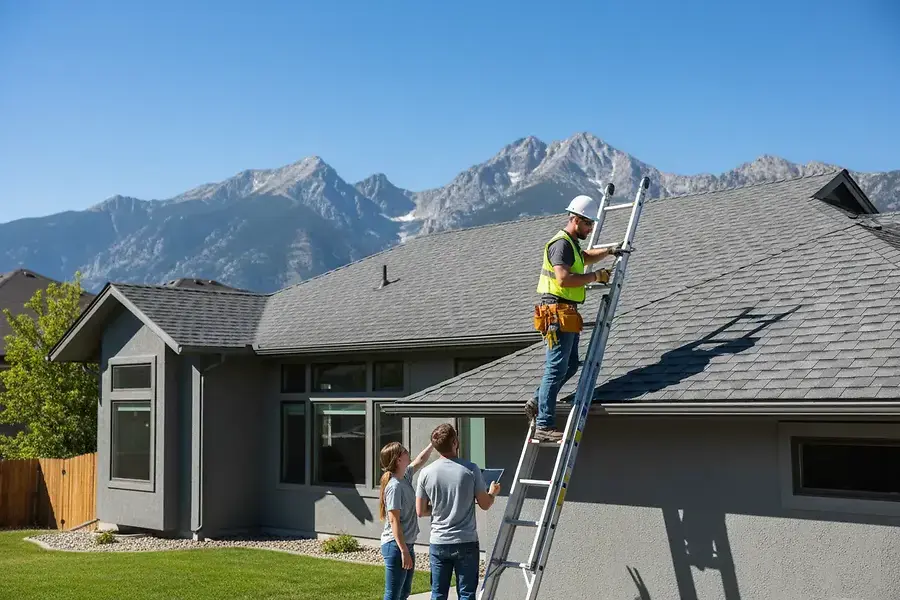
Why Home Inspections Matter for Denver Metro Buyers
Purchasing a home is one of the most significant financial decisions you'll make in your lifetime. In the Denver metro area, where the real estate market moves quickly and competition among buyers remains fierce, a professional home inspection serves as your critical safeguard. A thorough inspection can reveal hidden problems that might cost thousands to repair and help you negotiate better terms or walk away from a problematic property.
Home inspections are particularly important in Colorado due to the region's unique climate challenges, including intense UV exposure, dramatic temperature fluctuations, and occasional hail storms. These environmental factors can accelerate wear and tear on roofing, siding, and exterior structures. Understanding what inspectors look for helps you ask the right questions and make informed decisions about your investment.
Key Areas Inspectors Evaluate and Common Issues Found in Colorado Homes
Roofing and Exterior Structures
Colorado's intense sun and hail storms make roofing a critical inspection point. Professional inspectors examine:
- Shingle condition and signs of deterioration
- Flashing integrity around chimneys and vents
- Gutter functionality and proper drainage
- Evidence of previous hail damage or repairs
- Proper ventilation in attic spaces
Common issue: Many Denver-area homes show premature shingle aging due to UV exposure, potentially requiring replacement sooner than expected.
Foundation and Structural Integrity
Colorado's expansive clay soils can cause foundation movement and settling. Inspectors look for:
- Cracks in foundation walls or concrete slabs
- Signs of water intrusion or moisture damage
- Uneven floors or doors that don't close properly
- Bowing or leaning walls
- Proper grading around the foundation
Foundation issues can be expensive to repair, making this evaluation essential for Denver metro buyers.
HVAC and Heating Systems
Colorado winters demand reliable heating systems. Inspectors evaluate:
- Age and condition of furnaces and air conditioning units
- Proper ventilation and carbon monoxide safety
- Ductwork integrity and insulation
- Thermostat functionality
- Maintenance records and service history
Plumbing and Water Systems
Water quality and system reliability are crucial in Colorado. Inspectors check:
- Water pressure and flow rates
- Pipe material and condition (galvanized, copper, PEX)
- Water heater age and functionality
- Septic systems or municipal connections
- Evidence of leaks or water damage
Electrical Systems
Safe electrical systems are non-negotiable. Professional inspectors examine:
- Panel condition and proper grounding
- Outlet and switch functionality
- Presence of outdated wiring (knob-and-tube)
- Adequate capacity for modern appliances
- GFCI protection in wet areas
Red Flags to Watch For and Questions to Ask Your Inspector
Critical Red Flags
Stop and reconsider if inspectors identify:
- Major foundation cracks or structural movement – These can cost $10,000 to $50,000+ to repair
- Roof replacement needed within 2-3 years – Budget $8,000 to $15,000 for a typical Denver home
- Outdated electrical panels or knob-and-tube wiring – Safety hazard and insurance concerns
- Evidence of mold or extensive water damage – Health risks and costly remediation
- Failing HVAC systems – Replacement costs $5,000 to $10,000
- Asbestos or lead paint – Requires professional abatement
Essential Questions to Ask Your Inspector
Don't be shy about asking detailed questions. Consider these important inquiries:
- "What is the estimated remaining lifespan of major systems?" This helps you budget for future replacements.
- "Are there any safety concerns I should address immediately?" Prioritize health and safety issues.
- "What maintenance issues could become major problems if ignored?" Understand preventative care needs.
- "How do Colorado's climate conditions affect this property specifically?" Get location-specific insights.
- "What repairs would you recommend before closing?" Identify negotiation points.
- "Are there any signs of previous damage or repairs?" Understand the property's history.
Request a detailed written report with photographs. This documentation becomes valuable for future reference and potential warranty claims.
Understanding the Inspection Report
Professional inspection reports categorize findings by severity. Understand the difference between:
- Safety issues: Must be addressed before closing
- Major repairs: Significant cost implications; good negotiation points
- Minor repairs: Maintenance items; often handled by sellers or deferred
- Observations: Items to monitor; typically not deal-breakers
Making Informed Decisions With Inspection Reports
Once you receive your inspection report, take time to review it thoroughly. Don't panic over minor issues – every home has some wear and tear. Instead, focus on major systems and safety concerns.
Use the inspection report as a negotiation tool. If significant repairs are needed, request that the seller address them before closing or provide credits toward repairs. In Colorado's competitive market, having inspection findings documented gives you leverage.
A professional home inspection is not an expense – it's an investment in your peace of mind and financial security.
Consider getting a second opinion on major issues. If the inspector identifies expensive problems like foundation damage or roof replacement needs, consulting with a specialist in that area can provide clarity and cost estimates.
Remember that inspection contingencies are your protection. Most purchase agreements include a period for inspections and negotiations. Use this time wisely to understand exactly what you're buying and what future maintenance or repairs you'll face.
By understanding what inspectors evaluate, asking the right questions, and carefully reviewing your inspection report, you'll make a confident, informed decision about your Denver metro home purchase. This diligence protects your investment and helps ensure you're buying a safe, sound property for your family.