Essential Home Inspection Guide for Des Moines and West Des Moines Buyers
Protect your investment by understanding what inspectors look for and how to use inspection reports in your offer.

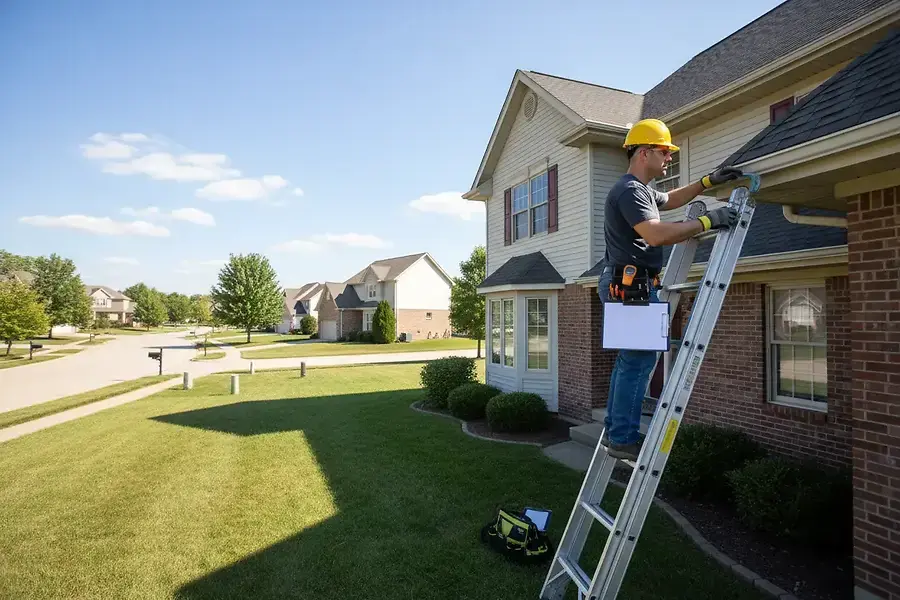
What Professional Inspectors Evaluate in Iowa Homes
A professional home inspection is one of the most important steps in the home buying process. Inspectors in Iowa conduct thorough evaluations of residential properties to identify potential issues that could affect your investment. Understanding what they examine helps you prepare for the inspection and ask informed questions.
Structural Components
Inspectors begin by assessing the foundation, walls, and overall structural integrity of the home. They look for cracks, settling, water damage, and signs of foundation problems that could indicate serious issues. In Des Moines and West Des Moines, where older homes are common, structural evaluation is particularly important.
Roofing and Exterior
The roof, gutters, siding, and windows are examined for wear, damage, and proper installation. Inspectors check for missing shingles, leaks, and deterioration that could lead to water intrusion. Iowa's weather patterns, including snow and ice, make roof condition a critical evaluation point.
Mechanical Systems
Heating, cooling, plumbing, and electrical systems receive detailed attention. Inspectors test HVAC functionality, check for code violations in electrical work, and evaluate water heater condition. These systems are essential for comfort and safety.
Interior Conditions
Inspectors examine walls, ceilings, floors, and doors for damage or defects. They also assess insulation levels, ventilation, and moisture issues that could affect energy efficiency and indoor air quality.
Common Issues Found in Des Moines and West Des Moines Properties
Certain problems appear frequently in the Des Moines and West Des Moines area due to climate, age of housing stock, and regional construction practices. Being aware of these common issues helps you understand what to expect in inspection reports.
Water Damage and Moisture Problems
Iowa's humid summers and freeze-thaw cycles create ideal conditions for water intrusion. Inspectors commonly find:
- Basement moisture and efflorescence on foundation walls
- Roof leaks leading to attic damage
- Improper grading that directs water toward the foundation
- Damaged or missing caulking around windows and doors
Aging HVAC and Plumbing Systems
Many homes in the Des Moines area were built decades ago with original or aging mechanical systems. Common findings include outdated furnaces, corroded water heaters, and galvanized or polybutylene plumbing that may need replacement.
Roof and Exterior Wear
Harsh winters take a toll on roofing materials. Inspectors frequently note missing shingles, ice dam damage, and gutters that need cleaning or repair. Siding deterioration is also common in older homes.
Electrical and Code Issues
Older homes may have outdated electrical panels, insufficient outlets, or work that doesn't meet current code standards. Knob-and-tube wiring, while charming in historic homes, poses safety and insurance concerns.
How to Review Inspection Reports and Negotiate Repairs
Once you receive the inspection report, the real work begins. A thorough report can be lengthy and technical, but breaking it down makes it manageable.
Understanding the Report Structure
Most inspection reports organize findings by system or area of the home. Items are typically categorized by severity—critical issues requiring immediate attention, major concerns that should be addressed soon, and minor items that are informational. Focus first on critical and major findings.
Prioritizing Issues
Critical issues affect safety or structural integrity and should be addressed before closing. Major issues may require significant expense but aren't immediately dangerous. Minor issues are often maintenance items you can address over time.
Negotiation Strategies
After reviewing the report, you have several options:
- Request repairs: Ask the seller to fix critical and major issues before closing
- Request credits: Negotiate a reduction in purchase price to cover repair costs
- Request inspections: Ask for specialized inspections on specific systems
- Accept as-is: Proceed without repairs if issues are minor or acceptable to you
In the Des Moines market, negotiation flexibility depends on market conditions and the home's price point. Your real estate agent can advise on what's reasonable to request based on current market dynamics.
Getting Contractor Estimates
Before negotiating, obtain estimates from licensed contractors for major repairs. This gives you concrete numbers to use in negotiations and helps you understand the true cost of addressing issues.
Using Inspection Findings to Make Informed Decisions
The inspection report is ultimately a tool to help you make a confident purchasing decision. It's not meant to scare you away from a home, but rather to provide transparency about its condition.
Evaluating Long-Term Costs
Consider the total cost of ownership, including repairs identified in the inspection. A home with a lower purchase price but significant repair needs might cost more overall than a well-maintained property at a higher price. Factor in both immediate repairs and future maintenance.
Assessing Maintenance History
Ask the seller about maintenance records for major systems. Homes with documented regular maintenance on HVAC, plumbing, and roofing are generally better investments than those with deferred maintenance.
Planning Your Budget
Set aside funds for repairs identified in the inspection. Even if the seller addresses major issues, you'll want a contingency fund for unexpected problems that arise after closing. A general rule is to budget 1-2% of the purchase price annually for home maintenance.
Making Your Decision
After reviewing the inspection report, negotiating repairs, and obtaining contractor estimates, you're equipped to make an informed decision. Ask yourself: Does this home meet my needs? Are the identified issues acceptable given the purchase price? Do I have the financial resources to address necessary repairs?
A professional home inspection is an investment in your peace of mind. In the Des Moines and West Des Moines real estate market, where homes vary widely in age and condition, this step is invaluable for protecting your investment and ensuring you're making a sound financial decision.