Essential Home Inspection Guide for Detroit and Novi Home Buyers
Discover what professional inspectors look for and how to protect your investment in Michigan's competitive real estate market.

Why Home Inspections Matter in Today's Market
Purchasing a home is one of the most significant financial decisions you'll make in your lifetime. In Michigan's competitive real estate market, particularly in thriving areas like Detroit and Novi, taking the time to conduct a thorough home inspection can save you thousands of dollars in unexpected repairs and provide invaluable peace of mind.
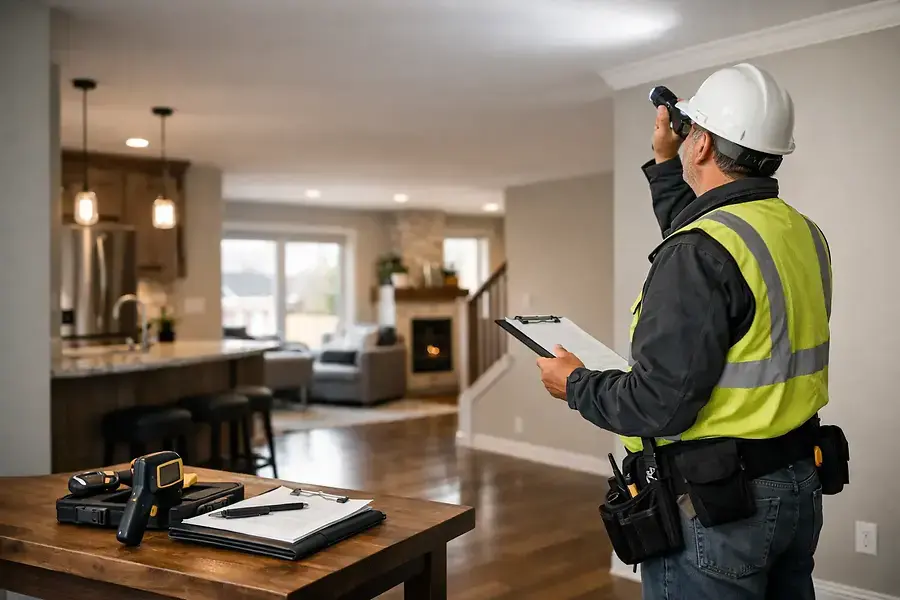
A professional home inspection is a comprehensive evaluation of a property's condition, performed by a certified inspector who examines everything from the foundation to the roof. This critical step protects your investment by identifying potential issues before you commit to the purchase. Whether you're a first-time homebuyer or an experienced investor, understanding what inspectors look for is essential to making informed decisions.
Many buyers skip or rush through inspections to close deals faster, but this approach can lead to costly surprises after closing. In Michigan's market, where homes range from historic properties to newer constructions, each structure presents unique challenges that require expert evaluation.
Key Areas Inspectors Examine: Structural, Mechanical, and Safety Systems
Structural Components
Professional inspectors begin by evaluating the home's structural integrity. This includes:
- Foundation and basement: Inspectors look for cracks, water damage, and signs of settling that could indicate serious problems
- Walls and framing: They assess the condition of exterior walls, checking for rot, damage, and proper construction
- Roof condition: The inspector examines shingles, flashing, gutters, and overall roof integrity to estimate remaining lifespan
- Windows and doors: These are checked for proper sealing, operation, and signs of water intrusion
In Michigan, where freeze-thaw cycles are common, foundation issues are particularly important to identify early. Water infiltration and foundation cracks can develop into expensive problems if left unaddressed.
Mechanical Systems
The home's mechanical systems are critical to daily functionality and comfort. Inspectors thoroughly evaluate:
- HVAC systems: Heating and cooling systems are tested for proper operation and efficiency
- Plumbing: Water pressure, drainage, and the condition of pipes are assessed, including checks for outdated materials
- Electrical systems: The inspector verifies that the electrical panel, wiring, and outlets meet current safety standards
- Water heater: Age, condition, and proper operation are evaluated
These systems directly impact your quality of life and safety. A failing HVAC system in a Michigan winter or a plumbing issue can quickly become emergencies requiring immediate, expensive repairs.
Safety Systems and Environmental Concerns
Modern home inspections also include critical safety evaluations:
- Smoke and carbon monoxide detectors: Inspectors verify these life-saving devices are present and functional
- Radon testing: This odorless, radioactive gas is a concern in Michigan and requires professional testing
- Asbestos and lead paint: Older homes may contain these hazardous materials that require professional remediation
- Mold and moisture: Signs of moisture problems and mold growth are documented
Red Flags and How to Interpret Inspection Reports
Understanding the Report
After the inspection, you'll receive a detailed report categorizing findings by severity. Understanding how to read this report is crucial. Most inspectors use categories such as:
- Critical issues: Problems that pose safety risks or require immediate attention
- Major concerns: Significant defects that will likely need repair soon
- Minor issues: Small problems that don't require urgent attention but should be noted
- Recommendations: Suggestions for maintenance and improvements
Common Red Flags in Michigan Homes
Certain findings should raise your concern level:
- Foundation cracks or water in basement: These indicate potential structural or moisture problems
- Outdated electrical systems: Aluminum wiring or insufficient grounding can be fire hazards
- Roof age over 20 years: Replacement may be needed soon, representing a significant expense
- Galvanized or polybutylene plumbing: These materials are prone to failure and may need replacement
- Signs of pest infestation: Termites, carpenter ants, or rodents can cause structural damage
- Improper grading or drainage: Water pooling around the foundation can lead to serious problems
Negotiating After Inspection
Once you have the inspection report, you have several options:
- Request repairs: Ask the seller to fix critical issues before closing
- Negotiate a price reduction: Reduce the offer to account for necessary repairs you'll handle
- Request credit at closing: Receive funds to cover repairs after purchase
- Walk away: If issues are too severe, you may choose to find another property
Don't let emotions override logic. If the inspection reveals significant problems and the seller won't negotiate fairly, it's often better to move on to another property.
Making Informed Decisions Before Closing
A thorough home inspection is your opportunity to make an informed decision about one of life's biggest purchases. Take the inspection seriously by:
- Attending the inspection in person to ask questions and see issues firsthand
- Requesting clarification on any findings you don't understand
- Obtaining repair estimates from contractors for significant issues
- Consulting with a real estate attorney about your options
- Having a second opinion from specialists for major concerns
In Detroit and Novi's competitive market, homes can sell quickly, but rushing through the inspection process is a mistake you'll regret. A professional home inspection typically costs $300-$500 and can save you tens of thousands in unexpected repairs.
Remember that no home is perfect. The goal of an inspection isn't to find a flawless property—it's to understand what you're buying and make an informed decision about whether the property is right for you at the agreed-upon price. Armed with detailed inspection information, you can negotiate confidently, plan for future repairs, and move forward to closing with confidence.
Your home is your sanctuary and your investment. Take the time to inspect it properly, understand the findings, and make decisions based on facts rather than emotions. This approach will serve you well throughout your homeownership journey in Michigan.


