Essential Home Inspection Guide for Doral and Miami Residential Buyers
Discover the critical inspection points every residential buyer should know before closing on their Miami-area property.

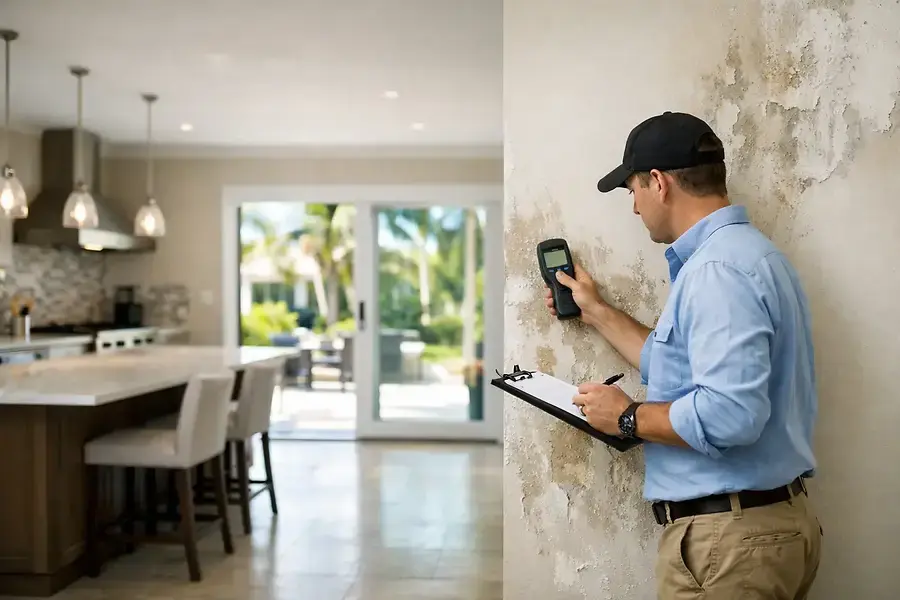
Understanding the Home Inspection Process in South Florida
Purchasing a home in the Miami and Doral area is one of the most significant investments you'll make. A thorough home inspection is your first line of defense against costly surprises after closing. In South Florida, where humidity, salt air, and intense weather conditions take their toll on properties, a professional inspection becomes even more critical.
A standard home inspection typically lasts between two to four hours and involves a certified inspector examining the property's major systems and components. During this process, the inspector will document their findings in a detailed report, which serves as your roadmap for negotiating repairs or credits with the seller.
What to Expect During the Inspection:
- Visual examination of the roof, foundation, and exterior walls
- Assessment of electrical, plumbing, and HVAC systems
- Evaluation of interior components including walls, ceilings, and flooring
- Testing of appliances and safety features
- Documentation of any visible defects or concerns
As a buyer, you have the right to be present during the inspection. This is an excellent opportunity to ask questions and understand the property's condition firsthand.
Key Areas to Evaluate: Structural, Plumbing, and Environmental Concerns
Structural Integrity
South Florida's unique climate presents specific structural challenges. The combination of high humidity, salt spray from the ocean, and intense sun exposure can cause significant damage over time. Inspectors will look for signs of foundation settling, cracks in concrete, and deterioration of structural elements.
Critical structural concerns include:
- Foundation cracks or uneven settling
- Water damage or moisture intrusion in walls and attics
- Roof condition and remaining lifespan
- Corrosion of metal components and fasteners
- Proper drainage around the foundation
Plumbing Systems
Plumbing issues are among the most expensive problems to repair. In Miami and Doral, older homes may have outdated piping systems that are prone to corrosion and failure. Inspectors will evaluate water pressure, drainage, and the condition of visible pipes.
Pay special attention to:
- Age and material of water supply lines
- Presence of galvanized pipes (which corrode over time)
- Water heater condition and age
- Proper slope of drain lines
- Signs of leaks or water damage
Environmental and Moisture Concerns
Moisture is the enemy in South Florida. High humidity levels can lead to mold growth, wood rot, and structural damage. Inspectors will use moisture meters to detect hidden water intrusion and assess the risk of mold contamination.
Environmental factors to monitor:
- Mold or mildew growth in bathrooms and basements
- Proper ventilation in attics and crawl spaces
- Flood history and elevation relative to sea level
- Presence of asbestos or lead-based paint in older homes
- Pest damage or infestation signs
Red Flags and How to Negotiate Repairs
Common Red Flags in South Florida Properties
Certain findings in the inspection report should raise immediate concerns. While not all issues are deal-breakers, they warrant serious consideration and negotiation.
Major red flags include:
- Extensive roof damage or a roof nearing the end of its lifespan
- Evidence of past flooding or water damage
- Active mold growth or significant moisture problems
- Outdated electrical systems or safety hazards
- Failing HVAC systems in the hot South Florida climate
- Foundation issues or significant structural damage
Negotiation Strategies
Once you receive the inspection report, you have several options. You can request that the seller make repairs before closing, ask for a credit to cover repair costs, or renegotiate the purchase price. The key is to approach negotiations professionally and with realistic expectations.
Tips for successful negotiations:
- Obtain repair estimates from licensed contractors for major issues
- Prioritize critical safety and structural concerns
- Be prepared to walk away if issues are too extensive
- Consider the cost of repairs versus the property's market value
- Document all agreed-upon repairs in writing
Remember: Not every issue requires renegotiation. Minor cosmetic problems are typically the buyer's responsibility after closing.
Protecting Your Investment: Next Steps After Inspection
Review and Analysis
Take time to thoroughly review the inspection report with your real estate agent and, if necessary, a qualified contractor. Understanding the severity and cost implications of each finding will help you make informed decisions about your purchase.
Specialized Inspections
Depending on the inspection findings, you may want to order specialized inspections for specific concerns:
- Mold inspection: If moisture issues are detected
- Termite inspection: To check for wood-destroying pests
- Roof inspection: For detailed assessment by a roofing specialist
- Pool inspection: If the property includes a pool or spa
- Radon testing: For health and safety concerns
Final Walk-Through
Before closing, conduct a final walk-through of the property to verify that all agreed-upon repairs have been completed satisfactorily. This is your last opportunity to ensure the property meets the agreed-upon conditions.
Maintain Your Investment
After closing, establish a regular maintenance schedule to address the issues identified in the inspection report. Preventative maintenance is far less expensive than dealing with major repairs down the road. In South Florida's challenging climate, staying ahead of maintenance issues is essential for protecting your investment.
Key Takeaway: A thorough home inspection is not an expense—it's an investment in your peace of mind and financial security. By understanding what to look for and how to respond to inspection findings, you'll be well-equipped to make a confident decision about your Miami-area home purchase.


