Essential Home Inspection Guide for Erie, PA Real Estate Buyers
Learn what professional inspectors look for and how to use inspection results to negotiate better deals on your Erie home purchase.

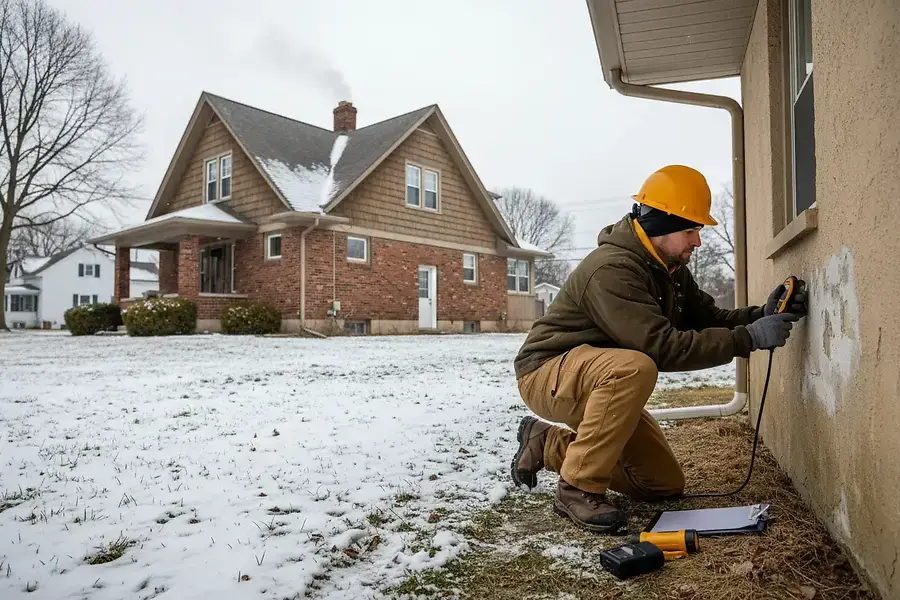
Understanding Erie's Unique Housing Challenges and What Inspectors Look For
Erie, Pennsylvania's lakeside location and historic housing stock present unique challenges that professional home inspectors understand well. The region's climate—characterized by heavy snow, ice, and moisture from Lake Erie—creates specific wear patterns on homes that buyers need to understand before making an offer.
Professional inspectors in Erie focus heavily on water damage and moisture intrusion, as the humid climate and seasonal weather extremes make these issues particularly common. They examine:
- Roof condition and potential leaks
- Basement and foundation moisture problems
- Gutters and drainage systems
- Window and door seals
- Siding integrity and paint deterioration
Additionally, many Erie homes were built decades ago, meaning inspectors pay special attention to outdated electrical systems, aging plumbing, and HVAC equipment that may need replacement soon. Understanding these regional patterns helps you ask the right questions and identify potential negotiation points.
The Complete Home Inspection Checklist: Foundation, Systems, and Structural Integrity
Foundation and Structural Elements
A thorough inspection begins with the foundation. Inspectors look for:
- Cracks in concrete or masonry (hairline cracks are normal; larger ones warrant concern)
- Signs of settling or shifting
- Water staining or efflorescence (white mineral deposits)
- Proper grading around the foundation
Structural integrity is non-negotiable. Any significant foundation issues can cost thousands to repair and may indicate deeper problems with the entire home.
Electrical, Plumbing, and HVAC Systems
These three systems are the backbone of any home. Inspectors verify:
- Electrical: Panel capacity, grounding, outdated wiring (especially knob-and-tube or aluminum wiring), and code compliance
- Plumbing: Water pressure, drainage, pipe material and age, and signs of leaks
- HVAC: Furnace and air conditioning efficiency, age, maintenance history, and proper ventilation
In Erie's climate, a reliable heating system is essential. An aging furnace discovered during inspection is a legitimate negotiation point.
Roof, Attic, and Exterior
The roof protects everything beneath it. Inspectors examine:
- Shingle condition and remaining lifespan
- Flashing around chimneys and vents
- Attic ventilation and insulation levels
- Siding, trim, and exterior paint condition
- Deck or porch structural integrity
Given Erie's weather patterns, roof condition is particularly critical. A roof nearing the end of its life can significantly impact your negotiating position.
Red Flags and Negotiation Tactics: Using Inspection Results to Your Advantage
Major Red Flags That Demand Action
Certain inspection findings should prompt serious reconsideration:
- Foundation cracks or water intrusion in basements
- Outdated electrical panels or unsafe wiring
- Plumbing issues like galvanized pipes or active leaks
- Roof damage or significant remaining lifespan concerns
- Mold or asbestos presence
- Structural damage or pest infestation
These issues require professional remediation and can be expensive. Don't ignore them—they're your leverage.
Strategic Negotiation Approaches
Once you have your inspection report, you have several negotiation options:
- Request repairs: Ask the seller to fix identified issues before closing
- Request credits: Negotiate a price reduction to cover repair costs yourself
- Request inspections: Ask for specialized inspections (structural engineer, pest control, etc.) for major concerns
- Walk away: If issues are too severe, use the inspection as justification to exit the deal
Timing matters. Present your inspection findings promptly and professionally. Provide the seller with repair estimates from licensed contractors to support your requests. This demonstrates you're serious and reasonable, not just looking for excuses to renegotiate.
Minor Issues: Know What's Negotiable
Not every finding requires negotiation. Normal wear and tear—like minor caulking gaps, cosmetic paint issues, or typical settling—shouldn't derail a deal. Focus your negotiation efforts on items that affect safety, functionality, or significant repair costs.
Next Steps: From Inspection Report to Confident Purchase Decision
Reviewing Your Inspection Report
When you receive your inspection report, take time to understand it thoroughly. Ask your inspector to explain any findings you don't understand. Many inspectors offer follow-up consultations—use this resource. Understanding the severity and cost implications of each issue helps you make informed decisions.
Getting Second Opinions
For major concerns, consider hiring specialists. A structural engineer can assess foundation issues, a plumber can evaluate aging pipes, and a roofer can provide accurate repair estimates. These investments ($200-500 each) are worthwhile when dealing with significant findings.
Making Your Final Decision
Use the inspection report as a decision-making tool, not a deal-breaker. Every home has some issues. The question is whether the issues are manageable and whether the price reflects the home's true condition. If inspection findings align with your budget and comfort level, move forward confidently. If they exceed your expectations or budget, negotiate or walk away.
Remember: A professional home inspection is your opportunity to make an informed decision. It's not about finding reasons to back out—it's about understanding what you're buying and ensuring the price is fair.
By understanding Erie's unique housing challenges, knowing what inspectors look for, and using inspection results strategically, you'll navigate the home-buying process with confidence and protect your investment.


