Essential Home Inspection Guide for First-Time Buyers in Charleston
Discover what professional inspectors look for and how to protect your investment in Charleston's unique residential market.

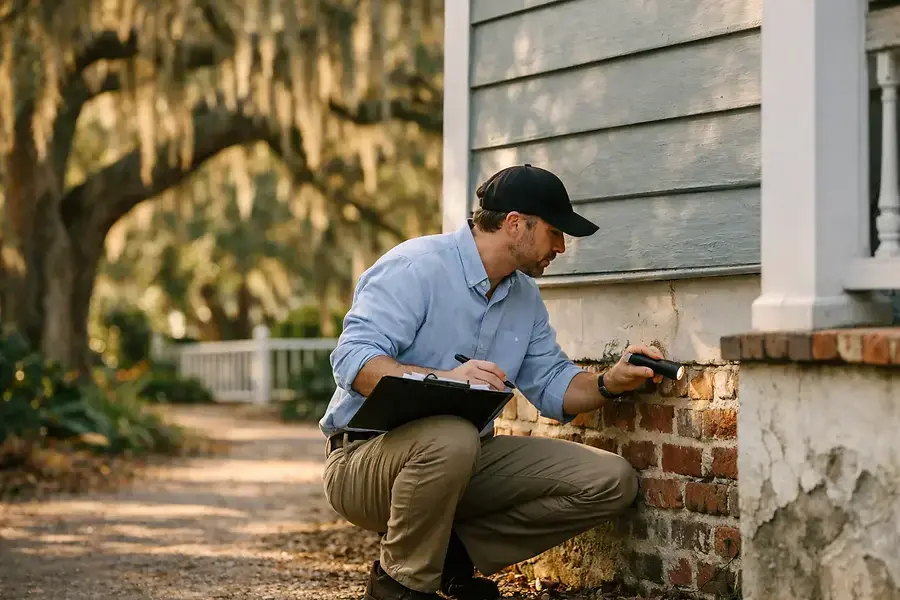
Understanding the Charleston Home Inspection Process
Purchasing your first home in Charleston is an exciting milestone, but it comes with significant financial responsibility. A professional home inspection is one of the most critical steps in protecting your investment. This comprehensive evaluation typically takes two to three hours and covers all major systems and structural components of the property.
A certified home inspector will examine the foundation, roof, plumbing, electrical systems, HVAC units, and interior conditions. They'll also assess the overall structural integrity and identify any safety concerns. In Charleston's unique climate and architectural landscape, inspectors pay special attention to moisture intrusion, foundation settling, and the condition of historic elements that may require specialized maintenance.
What to Expect During the Inspection
Most inspectors will provide you with a detailed written report within 24 to 48 hours of the inspection. This report includes photographs, descriptions of issues found, and recommendations for repairs or further evaluation. Understanding this report is crucial for making informed decisions about your purchase.
During the inspection itself, you have the right to be present and ask questions. Many first-time buyers find it helpful to walk through the property with the inspector to gain a better understanding of the home's condition and maintenance needs.
Common Issues Found in Charleston's Older Homes
Charleston's historic charm comes with unique challenges. Many homes in the area were built before modern building codes and materials were established, which means they often present specific issues that newer homes don't typically have.
Moisture and Water Damage
The coastal climate and high humidity levels make moisture intrusion one of the most common problems in Charleston homes. Inspectors look for:
- Water stains on ceilings and walls
- Mold growth in basements and crawl spaces
- Damaged or deteriorating wood framing
- Poor drainage around the foundation
Foundation and Structural Issues
Older Charleston homes often settle unevenly over time, particularly those built on clay soil. Inspectors examine foundation cracks, uneven floors, and signs of structural movement. While minor settling is normal, significant issues may require professional structural assessment.
Outdated Systems
Many historic homes still have original plumbing and electrical systems that may not meet current safety standards. Common findings include:
- Knob-and-tube wiring requiring replacement
- Galvanized pipes prone to corrosion
- Inadequate electrical capacity for modern appliances
- Aging HVAC systems with limited efficiency
Roof and Exterior Concerns
Charleston's weather patterns—including salt air, humidity, and occasional severe storms—take a toll on roofing materials. Inspectors assess roof age, condition, and remaining lifespan. They also examine siding, windows, and exterior wood for rot and deterioration.
How to Prepare for and Navigate Your Inspection Report
Before the Inspection
Preparation begins before the inspector arrives. Request access to any previous inspection reports, repair records, or maintenance documentation from the seller. This information provides valuable context for understanding the home's history and any ongoing issues.
Make a list of specific concerns you have about the property and share them with the inspector. If you've noticed unusual sounds, odors, or visible damage, point these out so they can be thoroughly investigated.
Understanding Your Report
Home inspection reports typically categorize findings by severity. Critical issues require immediate attention and may affect your decision to purchase. Major concerns should be addressed within a reasonable timeframe, while minor items are typically maintenance recommendations.
Don't panic if your report identifies issues. Most homes have some problems—it's the extent and cost of repairs that matter. Use the report as a negotiation tool and a roadmap for future maintenance.
Getting a Second Opinion
For significant findings, consider hiring a specialist. If the inspector identifies potential foundation problems, hire a structural engineer. For electrical concerns, consult a licensed electrician. These specialists can provide detailed assessments and repair estimates.
Taking Action: From Inspection Results to Closing Day
Negotiating Repairs and Credits
Armed with your inspection report, you have several options. You can request that the seller make repairs before closing, ask for a credit to cover repair costs, or negotiate a price reduction. In Charleston's competitive market, be realistic about your requests—sellers may walk away if demands seem excessive.
Focus on critical issues first. Safety concerns and major structural problems should take priority over cosmetic issues or minor maintenance items.
Creating a Post-Purchase Plan
Even if you negotiate repairs, create a prioritized list of items to address after closing. Budget for recommended maintenance and plan timelines for necessary work. This proactive approach prevents small issues from becoming expensive problems.
Final Walk-Through
Before closing, conduct a final walk-through to verify that any agreed-upon repairs were completed satisfactorily. Confirm that the property condition matches what was documented in the inspection report.
Moving Forward with Confidence
A thorough home inspection provides peace of mind and protects your investment. By understanding the inspection process, recognizing common Charleston home issues, and taking informed action on the results, you're setting yourself up for successful homeownership in this beautiful historic city.
Remember: a home inspection is not a deal-breaker—it's a tool for making smart decisions about one of life's largest purchases.


