Essential Home Inspection Guide for Flat Rock, NC Homebuyers
What every homebuyer in Flat Rock, NC needs to know before closing on their mountain property.

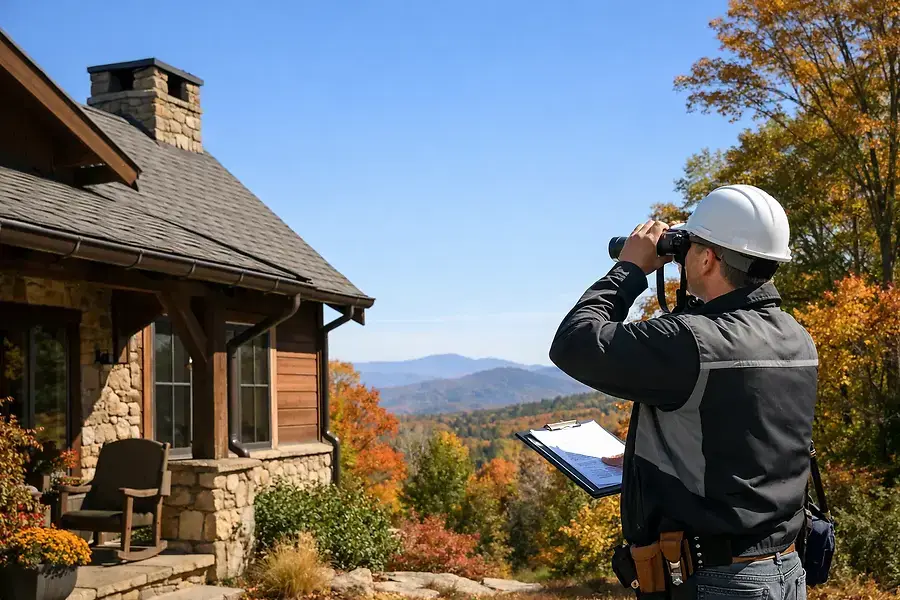
Introduction: Why Home Inspections Matter in Flat Rock's Unique Climate
Purchasing a home in Flat Rock, NC is an exciting milestone, but it comes with unique challenges that mountain properties present. The region's distinctive climate, elevation, and terrain create specific conditions that can affect your home's structural integrity and long-term value. A thorough home inspection is not just a formality—it's your best defense against costly surprises after closing.
Flat Rock's mountain environment means homes face weather patterns and environmental stressors that differ significantly from lower-elevation properties. From heavy seasonal rainfall to temperature fluctuations and potential moisture issues, understanding what inspectors look for in this region is essential for making an informed purchase decision.
Common Issues Found in Flat Rock Mountain Homes and How to Address Them
Moisture and Water Damage
One of the most prevalent issues in Flat Rock mountain homes is moisture infiltration. The area's high rainfall and humidity levels create ideal conditions for water damage, mold, and rot. Inspectors will carefully examine:
- Foundation cracks and water seepage in basements
- Roof condition and potential leak points
- Grading around the property to ensure proper water drainage
- Basement waterproofing systems
- Signs of mold or mildew in crawl spaces
How to Address It: If moisture issues are detected, request quotes for waterproofing solutions, improved drainage systems, or foundation repairs. These investments can prevent exponentially more expensive damage down the road.
Roof and Structural Concerns
Mountain properties in Flat Rock experience significant weather exposure, including heavy snow loads, ice dams, and strong winds. Your inspector will assess:
- Roof age, condition, and remaining lifespan
- Proper ventilation and insulation in attic spaces
- Structural support for snow and ice accumulation
- Chimney condition and flashing integrity
How to Address It: Budget for roof replacement or repairs if needed. In Flat Rock's climate, a quality roof is a critical investment that protects your entire home.
HVAC and Heating Systems
Mountain homes require robust heating systems to handle cold winters. Inspectors evaluate whether your HVAC system is appropriately sized and maintained for the climate demands of the area.
How to Address It: Request maintenance records and consider upgrading to a more efficient system if the current one is aging or undersized for the property.
Foundation and Settling Issues
The terrain in Flat Rock can be challenging, and homes built on slopes or in areas with soil movement may experience foundation settling. Inspectors look for:
- Cracks in foundation walls or concrete slabs
- Uneven floors or doors that don't close properly
- Signs of previous foundation repairs
- Proper drainage away from the foundation
How to Address It: Minor cracks may be cosmetic, but significant settling requires professional evaluation and potential structural repairs.
What to Expect During Your Home Inspection Process
Before the Inspection
Schedule your inspection within the timeframe specified in your purchase agreement—typically 7-10 days after making an offer. Ensure you have access to all areas of the home, including the attic, basement, and crawl spaces. Request that utilities be on so the inspector can test all systems.
During the Inspection
A professional home inspector will spend 2-4 hours examining your Flat Rock property. They'll check:
- Exterior condition, siding, and landscaping
- Roofing and gutters
- Windows and doors
- Plumbing systems and water pressure
- Electrical systems and safety
- HVAC functionality
- Interior walls, ceilings, and floors
- Appliances included in the sale
- Insulation and ventilation
Pro Tip: Attend the inspection if possible. This gives you the opportunity to ask questions and understand potential issues firsthand.
After the Inspection
You'll receive a detailed inspection report within 24-48 hours. This document outlines all findings, categorizing issues by severity. Review it carefully and discuss any concerns with your real estate agent. Use the report as a basis for negotiation with the seller regarding repairs or credits.
When to Request Additional Inspections
Beyond the standard home inspection, consider specialized inspections for:
- Radon Testing: Mountain areas can have elevated radon levels
- Septic System Inspection: If the property uses a septic system
- Chimney Inspection: Essential for homes with fireplaces
- Pest Inspection: To check for termites or other wood-damaging insects
Conclusion: Using Inspection Results to Negotiate and Protect Your Investment
A home inspection report is a powerful negotiating tool. Armed with detailed findings, you can:
- Request the seller make repairs before closing
- Negotiate a price reduction to account for needed repairs
- Ask for credits toward repairs you'll handle yourself
- Walk away from the deal if major issues make the property unviable
Remember, no home is perfect, especially in a mountain environment like Flat Rock. The goal is to understand what you're buying and make an informed decision about your investment. A thorough inspection protects you financially and gives you confidence in your purchase.
By taking home inspections seriously and understanding the unique challenges of Flat Rock mountain properties, you're setting yourself up for a successful homeownership experience. Don't skip this critical step—your future self will thank you.


