Essential Home Inspection Guide for Flathead Valley Residential Buyers
Master the critical inspection checklist that protects your investment in Big Arm, Kalispell, and Polson properties.

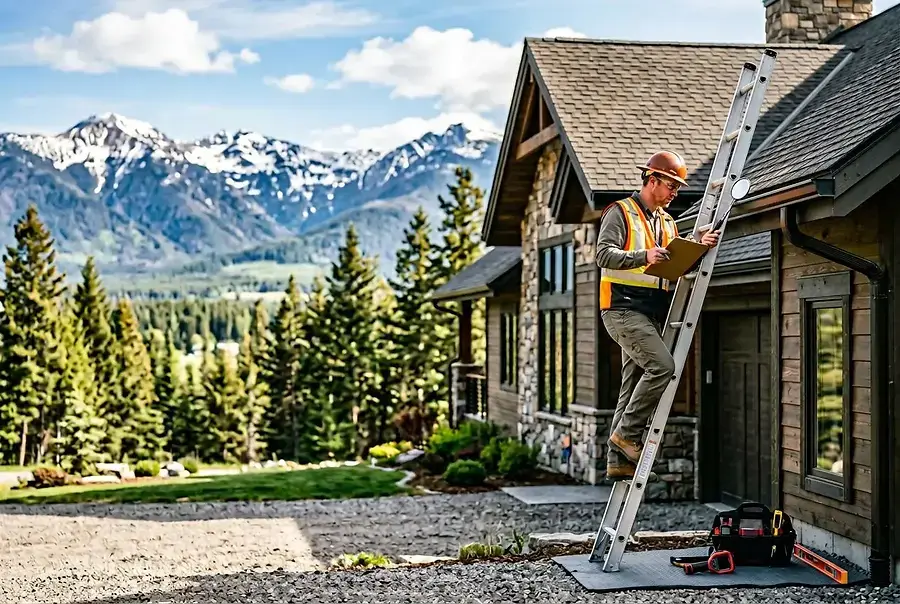
Why Home Inspections Matter in Montana's Residential Market
Purchasing a home in Flathead Valley is one of the most significant investments you'll make in your lifetime. Whether you're buying in Big Arm, Kalispell, or Polson, a professional home inspection is your first line of defense against costly surprises and hidden structural problems. In Montana's unique climate, where homes face extreme temperature fluctuations, heavy snow loads, and moisture challenges, a thorough inspection becomes even more critical.
A comprehensive home inspection provides you with an independent, professional assessment of your potential property's condition. This detailed evaluation protects your financial investment and gives you the knowledge needed to negotiate repairs, request credits, or make informed decisions about proceeding with your purchase. Without an inspection, you could inherit thousands of dollars in unexpected repairs or safety hazards.
Key Areas Inspectors Examine in Flathead Valley Homes
Structural Integrity and Foundation
Montana's freeze-thaw cycles can be particularly harsh on home foundations. Professional inspectors examine:
- Foundation cracks and settling patterns
- Basement moisture and water intrusion issues
- Crawl space conditions and ventilation
- Support beam integrity and wood rot
Why it matters: Foundation problems are expensive to repair and can compromise your entire home's structural safety. Flathead Valley's climate makes these issues especially common.
Roofing and Weather Protection
Your roof is your home's primary defense against Montana's heavy precipitation and snow. Inspectors evaluate:
- Roof age, material condition, and remaining lifespan
- Shingle deterioration and missing pieces
- Flashing around chimneys, vents, and skylights
- Gutter systems and proper water drainage
- Attic ventilation and insulation levels
A failing roof in Flathead Valley can lead to interior water damage, mold growth, and structural deterioration within months.
Plumbing Systems
Water-related issues are among the most common and costly problems in Montana homes. Inspectors check:
- Water pressure and flow rates
- Pipe material and condition (galvanized, copper, PEX)
- Water heater age and functionality
- Septic systems or municipal connections
- Visible leaks and water stains
Important note: In rural areas of Big Arm and Polson, septic system inspections are crucial and may require specialized evaluation.
Electrical Systems
Electrical safety is non-negotiable. Professional inspectors examine:
- Panel capacity and breaker functionality
- Grounding and bonding systems
- Outlet and switch conditions
- Outdated wiring that may pose fire hazards
- GFCI protection in wet areas
Heating and Cooling Systems
Montana winters demand reliable heating systems. Inspectors evaluate:
- Furnace age, efficiency, and operation
- Heat pump functionality
- Ductwork condition and insulation
- Thermostat accuracy
- Air conditioning performance (seasonal)
Interior Conditions
Beyond major systems, inspectors assess:
- Wall and ceiling integrity
- Floor condition and stability
- Window and door operation
- Signs of pest infestation or animal damage
- Mold or moisture problems
Understanding Inspection Reports and Red Flags
What Your Inspection Report Contains
A professional inspection report is a detailed document that categorizes findings into three main areas: safety concerns, major repairs needed, and minor maintenance items. Each section includes descriptions, locations, and recommendations for addressing issues.
The report typically includes photographs of problem areas, making it easier to understand the inspector's findings. Take time to review the entire report carefully, not just the summary.
Identifying Critical Red Flags
Safety hazards require immediate attention and should influence your purchase decision significantly. These include:
- Structural damage or foundation failure
- Electrical hazards or code violations
- Gas leaks or carbon monoxide risks
- Mold contamination
- Asbestos or lead paint (in older homes)
Major systems nearing end of life should also concern you. A roof with only 2-3 years remaining, a furnace over 20 years old, or a water heater past its expected lifespan means significant expenses in your near future.
Distinguishing Between Serious Issues and Normal Wear
Not every finding in an inspection report is a deal-breaker. Normal wear and tear is expected in any home. Minor cosmetic issues, small cracks in concrete, or slightly worn fixtures are typically not concerning. However, patterns of problems—such as multiple water stains, widespread electrical issues, or evidence of previous amateur repairs—suggest deeper problems.
Pro tip: Ask your inspector to clarify which items are urgent, which can wait, and which are simply informational. This helps you prioritize your concerns and budget accordingly.
Next Steps: Using Inspection Results in Your Purchase Decision
Negotiating Repairs and Credits
Armed with your inspection report, you have several options. You can request that the seller make specific repairs before closing, ask for a credit toward repairs you'll handle yourself, or request a price reduction reflecting the cost of necessary work. In Flathead Valley's competitive market, your negotiating position depends on the severity of issues and current market conditions.
Getting Second Opinions
For major concerns identified in the inspection, consider hiring specialized contractors for detailed evaluations. A structural engineer can assess foundation issues, a roofer can estimate roof replacement costs, and a plumber can evaluate septic systems. These investments often cost $300-$800 but can save you thousands in unexpected repairs.
Planning Your Budget
Use your inspection report to create a realistic maintenance and repair budget for your first year of ownership. Prioritize safety issues and major systems, then plan for cosmetic improvements and minor repairs as your budget allows.
Making Your Final Decision
Ultimately, your inspection report is a tool for informed decision-making. No home is perfect, but you should feel confident that you understand what you're purchasing and that any issues are acceptable to you at the agreed-upon price. Trust your inspector's expertise, ask questions, and don't hesitate to walk away if serious problems emerge that the seller won't address.
By taking home inspections seriously and thoroughly reviewing the results, you're protecting your investment and ensuring your new Flathead Valley home is a safe, sound place to build your future.