Essential Home Inspection Guide for Florida Residential Buyers
Discover what to inspect when purchasing residential properties in Tampa Bay, Sarasota, and Punta Gorda.
Understanding Florida-Specific Home Inspection Issues
Purchasing a home in Florida comes with unique challenges that differ significantly from other regions. The state's subtropical climate, high humidity, and proximity to saltwater create distinct inspection concerns that every buyer should understand before making one of the largest investments of their life.
Moisture and Mold Concerns
Florida's humid climate makes moisture intrusion one of the most critical issues to evaluate. Mold growth thrives in warm, damp environments, and it can develop rapidly in homes with poor ventilation or water damage. During your inspection, pay close attention to bathrooms, basements, crawl spaces, and areas around windows and doors where water may seep in.
Hurricane and Wind Damage
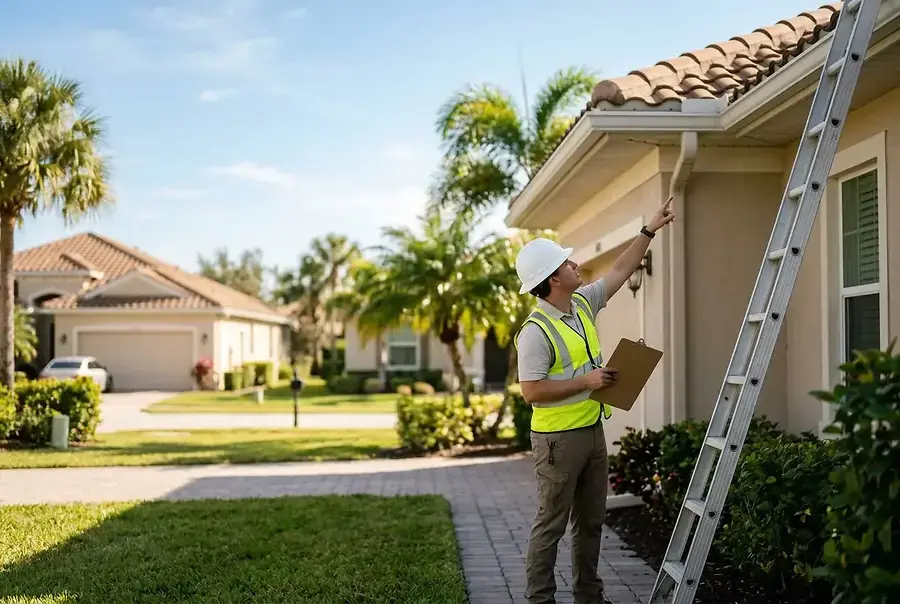
Homes in Tampa Bay, Sarasota, and Punta Gorda face regular hurricane threats. Inspect the roof condition carefully, checking for missing shingles, damaged flashing, and structural integrity. The roof is your home's first line of defense against Florida's severe weather. Additionally, examine windows and doors for proper installation and reinforcement, as these are critical during storms.
Salt Corrosion and Coastal Issues
Properties near coastal areas experience accelerated corrosion from salt spray. Metal fixtures, HVAC systems, and structural components deteriorate faster in these environments. Have your inspector specifically evaluate metal components for rust and corrosion, particularly if your property is within a few miles of the ocean.
Key Areas to Examine During Your Property Walkthrough
Foundation and Structural Integrity
Florida's sandy soil and high water table can cause foundation problems. Look for:
- Cracks in concrete slabs or foundation walls
- Uneven floors or doors that don't close properly
- Signs of settling or shifting
- Water stains indicating previous flooding
Plumbing Systems
Florida homes often have polybutylene pipes, which are prone to failure. If your home was built between 1978 and 1995, request a thorough plumbing inspection. Check for:
- Water pressure and flow consistency
- Visible corrosion on copper pipes
- Evidence of leaks under sinks and around toilets
- Proper drainage in bathrooms and kitchens
HVAC and Cooling Systems
Air conditioning is essential in Florida, not a luxury. Verify that the system is properly sized for the home and functioning efficiently. Request maintenance records and have the inspector evaluate the age and condition of the unit. A failing AC system can cost thousands to replace.
Electrical Systems
Examine the electrical panel for adequate capacity and proper installation. Look for outdated wiring, particularly aluminum wiring which poses fire hazards. Ensure there are sufficient outlets and that the system can handle modern appliance demands.
Attic and Ventilation
Proper attic ventilation prevents moisture buildup and extends roof life. Check for adequate ventilation, insulation levels, and any signs of leaks or water damage. Poor ventilation can lead to expensive repairs down the road.
Red Flags That Should Delay Your Purchase
Water Damage and Flooding History
Request flood insurance information and check flood zone maps. Ask the seller directly about any previous flooding or water damage. Never ignore water stains or musty odors—these indicate serious moisture problems that require professional remediation.
Roof Age and Condition
A roof older than 15-20 years may need replacement soon. In Florida, where weather is harsh, older roofs are significant liabilities. If replacement is needed, budget $8,000-$15,000 or more depending on the home's size.
Pest Infestations
Termites, cockroaches, and other pests are common in Florida. Look for:
- Mud tubes on foundation walls (termite signs)
- Wood damage or hollow-sounding wood
- Droppings or dead insects
- Evidence of pest activity in crawl spaces
Outdated or Failing Systems
Avoid homes with:
- Polybutylene plumbing
- Knob-and-tube electrical wiring
- Galvanized water pipes (prone to corrosion)
- Aging HVAC systems nearing end of life
Poor Drainage and Grading
Water should flow away from the foundation, not toward it. Check that the property slopes properly and that gutters and downspouts direct water away from the home. Poor drainage is a recipe for foundation problems and basement flooding.
Working with Inspectors and Using Reports in Negotiations
Choosing the Right Inspector
Select a licensed, experienced inspector familiar with Florida properties. Ask for references and verify their credentials. A thorough inspection typically costs $300-$500 but can save you from costly mistakes. Never skip this step to save money.
Understanding the Inspection Report
Review the report carefully and ask your inspector to explain any concerns. Reports typically categorize issues by severity—immediate concerns, future repairs, and maintenance items. Prioritize addressing immediate safety issues and structural problems.
Negotiation Strategies
Use inspection findings as leverage in negotiations. You have several options:
- Request the seller make repairs before closing
- Negotiate a price reduction to cover repair costs
- Ask for a credit at closing for repairs
- Walk away if issues are too severe or costly
"A thorough home inspection is your best protection as a buyer. It provides the information needed to make an informed decision and negotiate fairly."
Follow-Up Inspections
For major issues like foundation problems or roof damage, hire a specialist for a detailed evaluation. These targeted inspections provide expert opinions and repair estimates that strengthen your negotiating position.
Purchasing a home in Tampa Bay, Sarasota, or Punta Gorda is an exciting milestone. By understanding Florida-specific inspection issues and thoroughly evaluating properties, you'll make a confident, informed decision that protects your investment for years to come.


