Essential Home Inspection Guide for Fort Lauderdale Homebuyers
What to look for during your inspection and why it matters in Florida's climate.

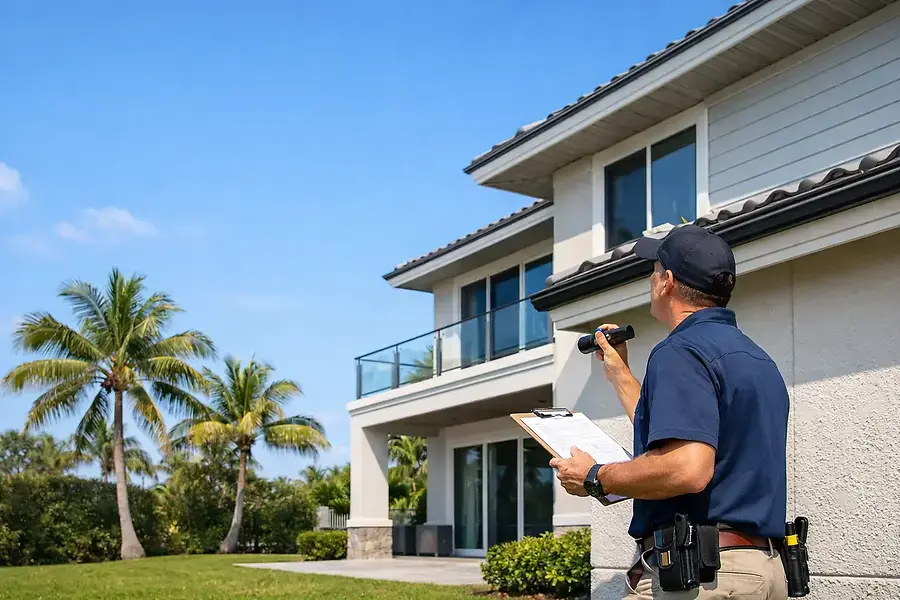
Introduction: The Critical Role of Home Inspections
Purchasing a home is one of the most significant investments you'll make in your lifetime. In Fort Lauderdale, where the tropical climate presents unique challenges, a thorough home inspection becomes even more critical. A professional home inspection can reveal hidden problems that could cost thousands of dollars to repair, protect you from purchasing a property with serious structural issues, and provide peace of mind before you sign on the dotted line.
Whether you're a first-time homebuyer or an experienced investor, understanding what to look for during an inspection can help you negotiate better terms, plan for future maintenance, and avoid costly surprises down the road.
Key Areas to Inspect in Fort Lauderdale Properties
Roof and Exterior Structures
The roof is your home's first line of defense against the elements. In Fort Lauderdale, where intense sun, salt air, and occasional severe weather are common, roof condition is paramount. During your inspection, look for:
- Missing, cracked, or curling shingles
- Signs of water damage or leaks in the attic
- Proper flashing around chimneys and vents
- Age of the roof (most roofs last 15-20 years in Florida's climate)
- Adequate ventilation to prevent heat buildup
Additionally, inspect the exterior walls, siding, and foundation for cracks, settling, or water intrusion. Salt air corrosion is a significant concern in coastal Fort Lauderdale properties, so pay special attention to metal components and fasteners.
Plumbing and Water Systems
Florida's high water table and humidity create ideal conditions for plumbing problems. During your inspection, verify:
- Water pressure and flow from all fixtures
- The age and condition of the main water line
- Presence of polybutylene pipes (which are prone to failure)
- Proper drainage and slope around the foundation
- Condition of the water heater and its age
- Functionality of all drains and absence of slow drains
Pro tip: Ask about the home's water source and whether it's on a septic system or municipal water. Septic systems require regular maintenance and can be expensive to repair or replace.
Electrical Systems
An outdated or faulty electrical system poses serious safety risks. Ensure the inspector checks:
- The age and capacity of the electrical panel
- Presence of outdated knob-and-tube wiring
- Proper grounding and bonding
- GFCI outlets in bathrooms and kitchens
- Adequate outlets and no overloaded circuits
- Proper installation of any recent electrical upgrades
HVAC Systems
Air conditioning is essential in Fort Lauderdale's climate. Your inspector should evaluate:
- Age and condition of the AC unit
- Proper refrigerant levels
- Functionality of the heating system (if present)
- Condition of ductwork and insulation
- Regular maintenance records
A well-maintained AC system can last 10-15 years, but replacement costs can exceed $5,000, so understanding the unit's condition is crucial.
Understanding Florida-Specific Issues: Hurricane Damage and Moisture
Hurricane Preparedness and Damage History
Fort Lauderdale's location makes hurricane preparedness a vital consideration. Ask your inspector to look for:
- Impact-resistant windows and doors
- Proper roof-to-wall connections and reinforcement
- Adequate bracing for the structure
- Presence of storm shutters or protection systems
- History of previous hurricane damage and repairs
Request the property's insurance history and any claims related to weather damage.
Understanding a home's hurricane history helps you assess future insurance costs and potential vulnerabilities.
Moisture and Mold Issues
Florida's humidity creates an environment where moisture and mold thrive. This is one of the most serious concerns for Fort Lauderdale homebuyers. During inspection, watch for:
- Visible mold or mildew on walls, ceilings, or crawl spaces
- Water stains indicating past or present leaks
- Musty odors in the home
- Proper grading and drainage away from the foundation
- Functioning gutters and downspouts
- Adequate ventilation in bathrooms and kitchens
- Condition of the crawl space or basement
Mold remediation can be expensive and may require professional treatment. If you discover significant mold, consider hiring a specialized mold inspector for a more detailed assessment.
Foundation and Structural Concerns
Florida's sandy soil and high water table can cause foundation issues. Look for:
- Cracks in the foundation or concrete slab
- Uneven floors or doors that don't close properly
- Signs of settling or shifting
- Evidence of previous foundation repairs
- Proper elevation of the home above flood zones
If you notice significant foundation issues, request a specialized foundation inspection from a structural engineer.
Conclusion: Making Informed Decisions Before You Buy
A comprehensive home inspection is your opportunity to understand exactly what you're purchasing and what future maintenance and repairs you might face. In Fort Lauderdale, where environmental factors like hurricanes, salt air, and humidity present unique challenges, a thorough inspection is not just recommended—it's essential.
Don't skip the inspection to save money or speed up the closing process. The cost of a professional inspection (typically $300-$500) is minimal compared to the potential cost of undiscovered problems. Use the inspection report to negotiate repairs or credits with the seller, plan your maintenance budget, and make an informed decision about your investment.
By understanding what to look for and why it matters in Fort Lauderdale's climate, you're taking the most important step toward becoming a confident, informed homebuyer. Your future self will thank you for the diligence you invest today.