Essential Home Inspection Guide for Fort Myers and Naples Homebuyers
Protect your investment by understanding what professional home inspectors look for in Southwest Florida properties.

Why Home Inspections Matter in Florida's Humid Climate
Purchasing a home is one of the most significant investments you'll make in your lifetime. In Southwest Florida, where Fort Myers and Naples are experiencing rapid growth and development, a professional home inspection is not just recommended—it's essential. The region's unique climate, characterized by high humidity, intense heat, and occasional tropical storms, creates specific challenges that can affect property conditions in ways that buyers from other regions might not anticipate.
A thorough home inspection serves as your protection against costly surprises after closing. Professional inspectors bring expertise that untrained eyes simply cannot provide, identifying potential issues that could cost thousands of dollars to repair. In Florida's humid environment, problems like mold growth, wood rot, and corrosion develop more rapidly than in drier climates, making regular inspections even more critical for protecting your investment.
Key Areas Inspectors Examine in Fort Myers and Naples Homes
Roof and Attic Conditions
Your roof is your home's first line of defense against Florida's weather. Inspectors carefully examine roofing materials for signs of deterioration, missing shingles, and improper installation. They also assess the attic for adequate ventilation, which is crucial in preventing moisture buildup and mold growth. In Southwest Florida, where hurricane season brings intense winds and heavy rains, roof integrity is paramount.
Foundation and Structural Integrity
Florida's sandy soil and high water table present unique foundation challenges. Inspectors look for cracks, settling, and signs of water intrusion in the foundation. They evaluate whether the home has proper drainage systems and assess any evidence of previous flooding or water damage. This is particularly important in areas prone to flooding or those with older construction methods.
HVAC and Cooling Systems
Air conditioning isn't a luxury in Southwest Florida—it's a necessity. Inspectors test cooling systems thoroughly, checking refrigerant levels, compressor function, and ductwork condition. They also examine the age of the system, as units typically last 10-15 years in Florida's demanding climate. A failing AC system can represent a substantial replacement cost.
Plumbing and Water Systems
Hard water and corrosion are common issues in Florida homes. Inspectors check for:
- Proper water pressure and flow
- Signs of leaks or water damage
- Condition of water heaters
- Functionality of drainage systems
- Quality of water supply lines
They also verify that the home has adequate water pressure and that the plumbing system meets current code requirements.
Electrical Systems
Inspectors evaluate the electrical panel, wiring, outlets, and switches to ensure they meet safety standards. They check for outdated systems like aluminum wiring, which can pose fire hazards. Given Florida's humidity and salt air in coastal areas, corrosion of electrical components is a concern that experienced inspectors know to assess carefully.
Exterior and Landscaping
The exterior inspection includes examining siding, windows, doors, decks, and patios. Inspectors look for signs of wood rot, pest damage, and proper drainage away from the foundation. In Southwest Florida, they also assess whether landscaping is appropriate for the climate and whether trees pose risks to the structure during storms.
Red Flags to Watch For: Common Issues in Southwest Florida Properties
Mold and Moisture Problems
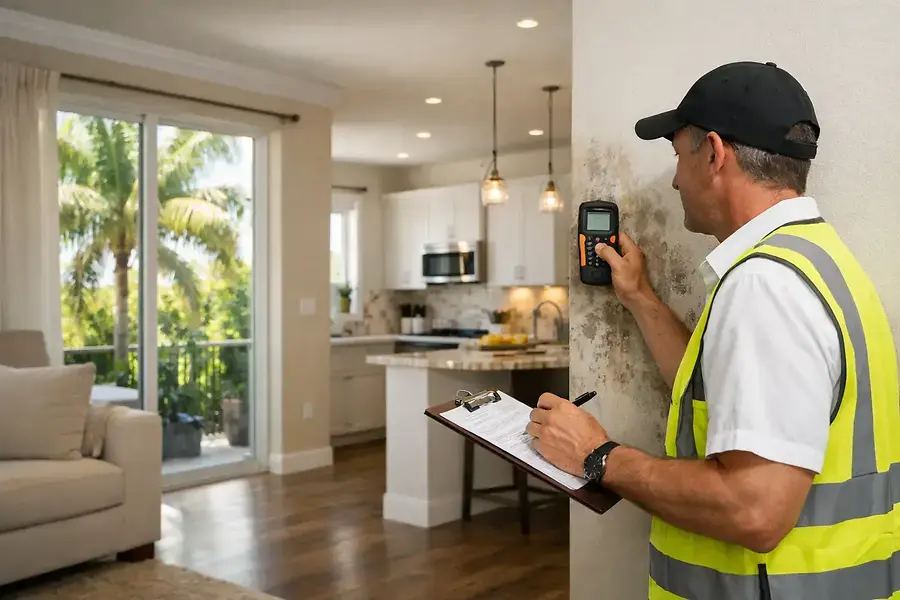
Mold is one of the most serious concerns in Florida homes. The combination of humidity and warm temperatures creates ideal conditions for mold growth. Inspectors look for visible mold, water stains, and musty odors. Even if mold isn't visible, moisture readings can indicate problems developing behind walls or in crawl spaces. Addressing mold issues early prevents them from becoming health hazards and expensive remediation projects.
Outdated or Failing Air Conditioning
An aging AC system is a red flag that demands attention. If the system is more than 12-15 years old, replacement costs could be $5,000 to $10,000 or more. Inspectors note the age and condition of the system, and any signs of inefficiency or malfunction should prompt further investigation by an HVAC specialist.
Roof Damage and Poor Ventilation
Look for roofs that are approaching the end of their lifespan, show signs of storm damage, or lack proper ventilation. Poor attic ventilation traps heat and moisture, accelerating deterioration and promoting mold growth. This is particularly concerning in Southwest Florida's climate.
Foundation Issues and Water Intrusion
Cracks in the foundation, standing water in the crawl space, or evidence of previous flooding are serious concerns. These issues can lead to structural damage, mold growth, and pest infestations. Buyers should take foundation problems very seriously and obtain specialized engineering assessments if needed.
Pest Damage and Infestations
Termites, carpenter ants, and other pests thrive in Florida's warm, humid environment. Inspectors look for evidence of pest activity, including wood damage, droppings, and mud tubes. Pest damage can compromise structural integrity and requires professional treatment.
Outdated Electrical Systems
Homes with aluminum wiring, insufficient outlets, or outdated panels may require costly upgrades to meet current safety standards. These issues are particularly common in older Fort Myers and Naples properties.
Making Informed Decisions with Professional Inspection Reports
Once your inspector completes their examination, you'll receive a detailed report documenting their findings. Take time to review this report carefully and ask your inspector to explain any concerns. Don't ignore red flags or assume minor issues will resolve themselves.
Use the inspection report as a negotiating tool. If significant issues are discovered, you have several options: request repairs before closing, ask for a credit toward repairs, or renegotiate the purchase price. In some cases, you may decide to walk away from the deal if problems are too extensive.
Remember that a home inspection is an investment in your peace of mind and financial security. The cost of a professional inspection—typically $300 to $500—is minimal compared to the potential cost of discovering major problems after you've already purchased the property. In Southwest Florida's unique climate, where humidity and weather create specific challenges, a thorough inspection by a qualified professional is invaluable.
By understanding what inspectors look for and recognizing common red flags in Fort Myers and Naples properties, you're taking an important step toward making an informed decision about one of life's biggest purchases. Don't skip this crucial step in the home-buying process.