Essential Home Inspection Guide for Fort Wayne Residential Buyers
Learn what to look for during inspections to avoid costly surprises and make confident purchasing decisions in Fort Wayne's residential market.

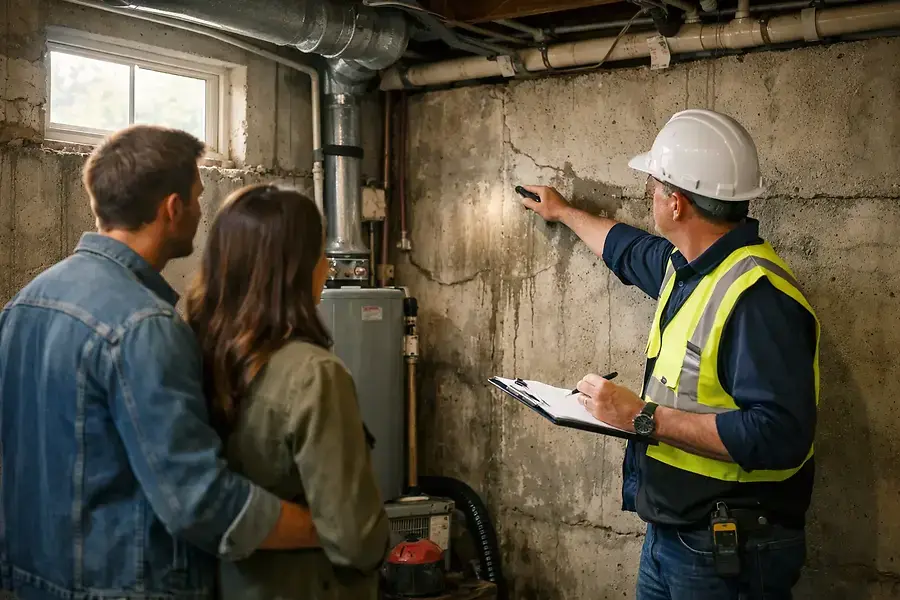
Why Home Inspections Matter in Fort Wayne's Market
Purchasing a home is one of the most significant financial decisions you'll make, and in Fort Wayne's competitive residential market, a thorough home inspection is your best defense against costly surprises. A professional home inspection provides an objective assessment of a property's condition, revealing hidden issues that could affect your investment and quality of life.
Many Fort Wayne buyers underestimate the importance of inspections, viewing them as an optional expense. However, inspections typically cost between $300 and $500 and can save you thousands in unexpected repairs. Whether you're buying a historic home in the near north side or a newer construction in the suburbs, a comprehensive inspection gives you the knowledge needed to negotiate effectively and make confident decisions.
An inspection protects your investment and provides peace of mind before closing day. It also gives you leverage in negotiations if significant issues are discovered, allowing you to request repairs, credits, or price adjustments.
Key Areas Professional Inspectors Evaluate
Structural Components and Foundation
The foundation is the backbone of any home. Professional inspectors examine the foundation for cracks, settling, and water damage—common issues in Fort Wayne homes due to the region's soil composition and weather patterns. They assess basement walls, crawl spaces, and the overall structural integrity of the property.
- Foundation cracks and their severity
- Signs of water intrusion or moisture
- Basement flooding history
- Support beam and joist conditions
Roofing and Exterior
Your roof is your home's first line of defense against the elements. Inspectors evaluate roof age, material condition, flashing, gutters, and drainage systems. In Fort Wayne, where winters can be harsh, roof condition is particularly important.
- Roof age and remaining lifespan
- Missing or damaged shingles
- Gutter and downspout functionality
- Exterior siding, trim, and paint condition
- Window and door seals
Plumbing Systems
Water damage is one of the most expensive issues homeowners face. Inspectors check water pressure, drainage, pipe materials, and look for signs of leaks. They examine both visible pipes and those hidden behind walls when possible.
- Water pressure and flow
- Pipe materials and age
- Signs of leaks or corrosion
- Water heater condition and age
- Septic system functionality (if applicable)
Electrical Systems
Electrical safety is paramount. Professional inspectors test outlets, examine the electrical panel, and identify outdated or potentially hazardous wiring. Older Fort Wayne homes may have outdated electrical systems that need upgrading.
- Electrical panel capacity and condition
- Outlet grounding and functionality
- Presence of aluminum wiring (a fire hazard)
- GFCI protection in wet areas
- Overall code compliance
HVAC and Climate Control
Heating and cooling systems are essential in Fort Wayne's climate. Inspectors evaluate furnace and air conditioning unit age, efficiency, and functionality, as well as ductwork condition and insulation levels.
Interior Conditions
Beyond major systems, inspectors assess interior elements including flooring, walls, ceilings, insulation, and ventilation. They look for signs of pest damage, mold, and other issues affecting livability.
Red Flags and Common Issues Found in Fort Wayne Homes
Water Damage and Moisture Problems
Fort Wayne's climate and soil conditions make water intrusion a common concern. Look for water stains, efflorescence (white mineral deposits), and musty odors in basements and crawl spaces. These indicate moisture problems that can lead to mold growth and structural damage.
Outdated Electrical Systems
Many older Fort Wayne homes still have knob-and-tube wiring or aluminum wiring, both of which pose fire hazards. Upgrading electrical systems can be expensive, so this is an important discovery during inspection.
Roof Age and Condition
A roof nearing the end of its lifespan is a significant expense. Most asphalt shingle roofs last 15-20 years. If the inspection reveals a roof older than 15 years, budget for replacement soon after purchase.
HVAC System Age
Furnaces and air conditioning units typically last 15-20 years. Older systems are less efficient and more prone to breakdown, especially during Fort Wayne's cold winters.
Plumbing Issues
Galvanized pipes, which corrode over time, are common in older homes. Polybutylene pipes, used in homes built in the 1980s and 1990s, are prone to failure. Both require replacement.
Foundation Concerns
While minor cracks are normal, horizontal cracks, stair-step patterns, or signs of active water seepage indicate serious structural problems requiring professional evaluation and potentially expensive repairs.
Taking Action: Next Steps After Your Inspection Report
Review the Report Thoroughly
Don't just skim the inspection report. Read it carefully, understanding the severity of each issue. Inspectors typically categorize findings as safety concerns, major repairs needed, or minor maintenance items.
Prioritize Issues by Severity
Focus on safety-critical items first: electrical hazards, structural problems, and water damage. These require immediate attention. Minor cosmetic issues can often be addressed later.
Get Second Opinions on Major Issues
If the inspection reveals significant problems—foundation damage, roof replacement needs, or major plumbing issues—consider hiring a specialist for a more detailed evaluation. This gives you accurate repair cost estimates for negotiations.
Negotiate with the Seller
Armed with your inspection report, you have leverage. You can request the seller make repairs, provide credits toward repairs, or adjust the purchase price. Many Fort Wayne sellers are willing to negotiate rather than lose a sale.
Plan Your Budget
Use the inspection report to create a post-purchase maintenance and repair budget. Prioritize urgent repairs and plan for upcoming expenses like roof replacement or HVAC maintenance.
Schedule Follow-Up Inspections
For items flagged as concerns but not emergencies, schedule inspections with specialists before closing. This ensures you have complete information before finalizing your purchase.
A thorough home inspection is an investment in your future. It provides the information you need to make confident decisions and protects your financial interests in Fort Wayne's real estate market.
By understanding what professional inspectors evaluate and knowing what red flags to watch for, you're taking control of your home buying journey. Don't skip this crucial step—your future home and your wallet will thank you.


