Essential Home Inspection Guide for Fredericksburg Home Buyers
What to look for during your inspection and why it matters for your purchase decision.

Understanding the Home Inspection Process
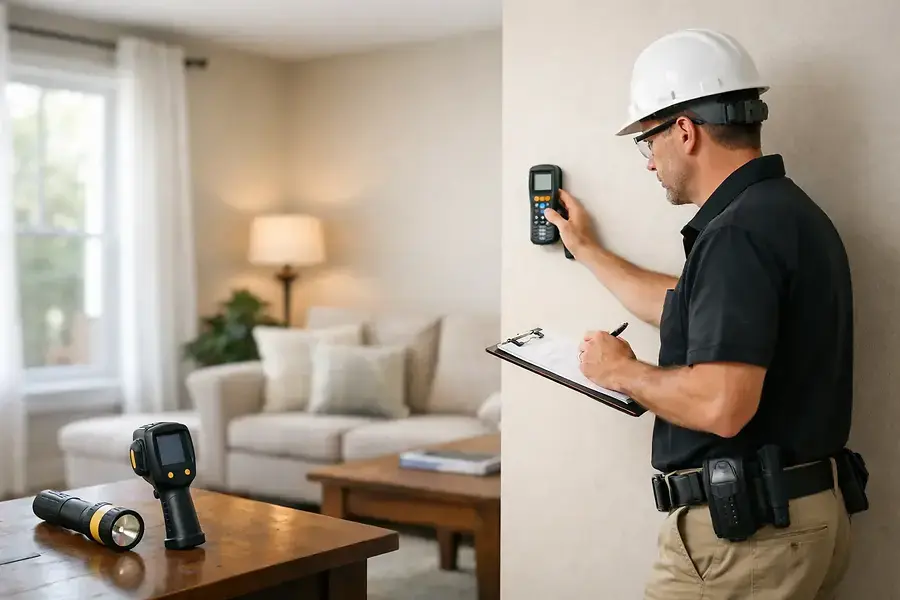
A home inspection is one of the most critical steps in the home-buying process. This comprehensive evaluation examines the structural integrity, systems, and overall condition of a property. In Fredericksburg, where homes range from historic properties to modern constructions, understanding what inspectors look for can save you thousands of dollars and prevent costly surprises after closing.
During a typical home inspection, a certified inspector will spend 2-4 hours thoroughly examining the property. They'll provide a detailed written report documenting their findings, which becomes essential information for your purchase decision. This inspection is your opportunity to identify potential problems before you commit to the purchase.
Why Home Inspections Matter
Many first-time homebuyers underestimate the importance of a thorough inspection. The inspector acts as your advocate, identifying issues that might not be visible to the untrained eye. Whether it's hidden water damage, electrical problems, or structural concerns, these discoveries can significantly impact your negotiating power and long-term homeownership costs.
Critical Areas Inspectors Examine
Foundation and Structural Components
The foundation is the backbone of any home. Inspectors look for:
- Cracks in the foundation walls or basement floors
- Signs of water intrusion or moisture damage
- Settling or shifting of the structure
- Proper grading around the foundation to ensure water drainage
Foundation issues are among the most expensive to repair, making this area particularly important for Fredericksburg buyers.
Roofing and Exterior
Your roof protects everything beneath it. Inspectors evaluate:
- Age and condition of roofing materials
- Signs of leaks or water damage in attic spaces
- Proper ventilation and insulation
- Condition of gutters, downspouts, and exterior walls
- Presence of mold or pest damage
A roof replacement can cost $10,000 or more, so understanding its remaining lifespan is crucial.
Plumbing Systems
Water-related issues can cause significant damage. Inspectors check:
- Water pressure and flow throughout the home
- Condition of pipes and potential corrosion
- Functionality of toilets, sinks, and showers
- Presence of leaks under sinks and around fixtures
- Water heater age and condition
- Septic system functionality (for properties with septic systems)
Electrical Systems
Electrical safety is non-negotiable. Inspectors examine:
- Panel condition and capacity
- Proper grounding and bonding
- GFCI outlets in wet areas
- Outdated wiring that may pose fire hazards
- Adequate outlets and circuit distribution
HVAC Systems
Heating and cooling systems are essential for comfort and health. Inspectors assess:
- Age and operational condition of furnace and air conditioning
- Proper ductwork and insulation
- Thermostat functionality
- Maintenance records and remaining lifespan
Red Flags and How to Respond
Major Red Flags
Certain findings should prompt serious consideration:
Foundation cracks, active water intrusion, outdated electrical systems, and failing HVAC units are issues that require professional evaluation and may significantly impact your offer.
When inspectors identify these problems, don't panic. Instead, use this information strategically:
- Request repair estimates: Get quotes from licensed contractors for major issues
- Negotiate repairs or credits: Ask the seller to fix problems or provide credits toward repairs
- Renegotiate the price: Use inspection findings to justify a lower offer
- Walk away if necessary: Some issues may make the property not worth pursuing
Minor Issues
Not every finding is a deal-breaker. Minor issues like:
- Cosmetic damage or outdated fixtures
- Small caulking gaps
- Minor paint touch-ups needed
- Worn weatherstripping
These are typically items you can address after purchase or negotiate as part of your offer.
Getting a Second Opinion
If the inspection reveals significant issues, consider hiring a specialist. For example, if structural problems are suspected, a structural engineer can provide expert assessment. This additional investment often pays for itself by clarifying the true extent of problems and appropriate solutions.
Conclusion: Making Informed Decisions
A home inspection is your most valuable tool as a buyer. It provides objective information that empowers you to make informed decisions about one of the largest investments of your life. By understanding what inspectors look for and how to respond to their findings, you protect yourself from unexpected expenses and ensure you're purchasing a home that meets your needs and budget.
Remember, the inspection period is your opportunity to ask questions, request clarifications, and gather information. Don't hesitate to discuss findings with your real estate agent and inspector. Armed with this knowledge, you'll be well-prepared to navigate the home-buying process in Fredericksburg with confidence and peace of mind.
Take the time to thoroughly review the inspection report, understand the implications of any findings, and make decisions based on facts rather than emotions. Your future self will thank you for the diligence you invest today.


