Essential Home Inspection Guide for Greater Phoenix Area Buyers
Learn what professional inspectors look for and how to protect your investment in Arizona's competitive real estate market.

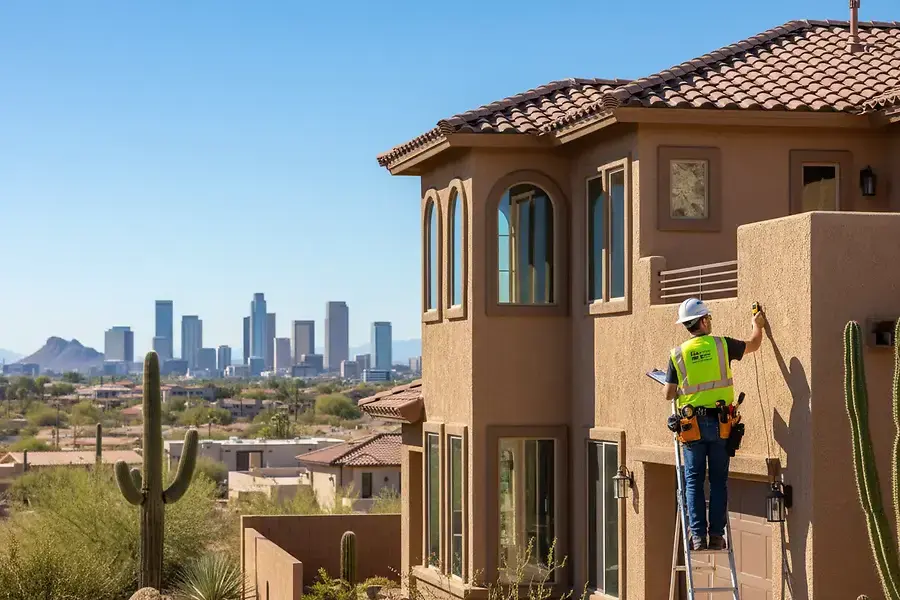
Why Home Inspections Matter in Greater Phoenix
Purchasing a home is one of the most significant financial decisions you'll make, and in the Greater Phoenix area's competitive real estate market, it's crucial to protect your investment. A professional home inspection provides an objective assessment of a property's condition before you commit to the purchase. This detailed examination can reveal hidden problems that might not be apparent during a casual walkthrough, potentially saving you thousands of dollars in unexpected repairs.
In Arizona's unique climate, homes face specific challenges that differ from other regions. The intense heat, dry conditions, and occasional monsoons create particular wear patterns on roofing, HVAC systems, and foundations. A qualified inspector familiar with Phoenix-area properties understands these regional issues and knows exactly what to look for.
What Professional Inspectors Evaluate in Arizona Homes
Structural Components and Foundation
Inspectors begin by examining the home's foundation, which is critical in Arizona where soil conditions can vary significantly. They look for cracks, settling, and signs of water damage. The intense heat can cause concrete to expand and contract, potentially leading to structural issues over time.
Roofing and Exterior
Arizona's relentless sun is particularly harsh on roofing materials. Inspectors evaluate:
- Shingle condition and potential UV damage
- Flashing integrity around chimneys and vents
- Gutter systems and drainage
- Exterior walls for cracks or deterioration
- Stucco condition, which is common in Phoenix homes
HVAC Systems
In Phoenix, air conditioning isn't a luxury—it's essential. Inspectors thoroughly evaluate:
- Age and condition of the AC unit
- Proper refrigerant levels
- Ductwork integrity and insulation
- Thermostat functionality
- Heating system capability for winter months
Plumbing and Water Systems
Arizona's hard water and mineral deposits can affect plumbing systems significantly. Inspectors check for:
- Water pressure and flow rates
- Pipe material and corrosion signs
- Water heater age and condition
- Drainage system functionality
- Evidence of leaks or water damage
Electrical Systems
A comprehensive electrical inspection includes checking the main panel, circuit breakers, outlets, and wiring. Inspectors ensure the system meets current safety standards and can handle modern electrical demands.
Interior Components
Inspectors examine walls, ceilings, floors, doors, and windows for damage, proper operation, and signs of pest infestation or water intrusion. They also evaluate insulation levels, which are important for energy efficiency in Arizona's climate.
Common Issues Found in Phoenix-Area Properties and How to Address Them
AC System Failures
The Issue: Many older homes in Phoenix have aging air conditioning systems that may fail during the hot season. Replacement costs can exceed $5,000.
What to Do: If the inspection reveals an older AC unit, budget for replacement or negotiate with the seller for a credit. Request service records to understand the system's maintenance history.
Roof Deterioration
The Issue: The Arizona sun degrades roofing materials faster than in cooler climates. Shingles may become brittle and lose their protective granules.
What to Do: Ask the inspector for a detailed roof assessment. If replacement is needed, get multiple quotes from local contractors familiar with Phoenix's climate challenges.
Foundation Cracks and Settlement
The Issue: Arizona's expansive clay soils can cause foundations to shift and crack. While minor cracks are common, significant ones require attention.
What to Do: Have the inspector clarify whether cracks are structural or cosmetic. Structural issues may require professional foundation repair, which can be costly.
Hard Water Damage
The Issue: Arizona's hard water leaves mineral deposits that can damage plumbing fixtures and reduce water heater efficiency.
What to Do: Consider installing a water softening system. This investment can extend the life of your plumbing and appliances significantly.
Pest Infestation
The Issue: Arizona's warm climate attracts termites, scorpions, and other pests. Termite damage can be extensive and expensive to repair.
What to Do: If the inspection reveals pest damage, request a separate pest inspection. Budget for professional pest control treatment and preventative measures.
Stucco Issues
The Issue: Stucco, common in Phoenix homes, can crack and allow water infiltration if not properly maintained.
What to Do: Have the inspector assess stucco condition carefully. Small cracks can be sealed, but extensive damage may require professional repair.
Making Informed Decisions with Inspection Results
Once you receive the inspection report, take time to review it thoroughly. Don't panic over minor issues—every home has some wear and tear. Instead, focus on significant problems that affect safety, functionality, or long-term value.
Use the inspection results as a negotiation tool. If major issues are discovered, you have several options:
- Request the seller make repairs before closing
- Negotiate a price reduction to cover repair costs
- Ask for a credit toward repairs you'll handle yourself
- Walk away if issues are too extensive
Consider hiring specialists for any major concerns identified in the general inspection. A foundation engineer, roofer, or HVAC technician can provide detailed assessments and repair estimates.
Remember that a home inspection is an investment in your peace of mind. In Greater Phoenix's competitive market, this knowledge empowers you to make informed decisions and protect your investment for years to come. By understanding what inspectors evaluate and addressing issues proactively, you'll be well-prepared to navigate the home buying process with confidence.


