Essential Home Inspection Guide for Greenwood, IN Homebuyers
Learn what to look for during inspections to protect your investment and negotiate better offers.

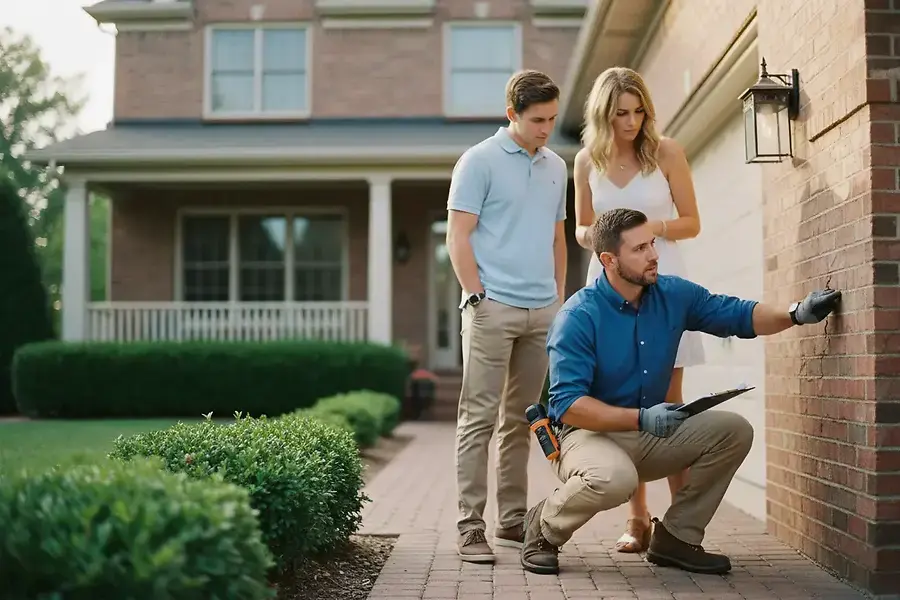
What to Expect During a Professional Home Inspection
A professional home inspection is one of the most important steps in the homebuying process. When you hire a certified inspector in Greenwood, you're investing in a thorough evaluation of your potential property. The inspection typically lasts between two to three hours, depending on the home's size and age.
During this time, the inspector will examine both the interior and exterior of the property systematically. You should always attend the inspection to ask questions and understand what the inspector finds. The inspector will document their findings in a detailed report, which becomes a valuable tool for negotiations and decision-making.
The Inspection Process
Your inspector will start with the exterior, checking the roof condition, siding, gutters, and foundation. They'll then move inside to evaluate the electrical system, plumbing, HVAC systems, and appliances. The inspector will also assess the overall structure, looking for signs of water damage, pest infestations, or structural issues.
Be prepared to ask questions about anything that concerns you. A good inspector will explain their findings in clear, understandable language and help you understand the severity of any issues discovered.
Critical Areas to Examine: Foundation, Roof, and Systems
Foundation and Structural Integrity
The foundation is the backbone of any home. Inspectors look for cracks, settling, or water intrusion that could indicate serious problems. In Greenwood, where soil conditions can vary, foundation issues are particularly important to monitor. Small hairline cracks may be cosmetic, but larger cracks or bowing walls require professional evaluation and potential remediation.
Water in the basement or crawl space is a red flag that demands immediate attention. This could indicate poor drainage, grading issues, or foundation cracks that need repair.
Roof Condition and Age
Your roof is your home's first line of defense against the elements. Inspectors will assess the roof's age, condition, and remaining lifespan. They'll look for:
- Missing or damaged shingles
- Sagging or uneven surfaces
- Signs of leaks or water damage in the attic
- Proper ventilation and flashing
- Gutter and downspout condition
A roof nearing the end of its life is a significant expense to budget for. Most asphalt roofs last 15-20 years, so knowing the age helps you plan for replacement.
Electrical, Plumbing, and HVAC Systems
These three systems are critical to your home's functionality and safety. The inspector will verify that:
- The electrical panel is properly grounded and has adequate capacity
- Outlets and switches work correctly
- Plumbing fixtures function properly and there are no leaks
- Water pressure is adequate
- The HVAC system operates efficiently and is properly maintained
- Ductwork is properly sealed and insulated
Outdated or failing systems can be expensive to replace, so understanding their condition is essential for budgeting.
Common Issues Found in Greenwood Homes and How to Address Them
Moisture and Water Damage
Greenwood's climate can lead to moisture-related issues in homes. Inspectors frequently find signs of water intrusion in basements, crawl spaces, and attics. Address moisture problems immediately to prevent mold growth and structural damage. Solutions may include improving drainage, sealing cracks, or installing a sump pump.
Aging Roofs and Gutters
Many Greenwood homes have roofs that are approaching or past their expected lifespan. Clogged or damaged gutters compound the problem by directing water toward the foundation. Regular maintenance and timely replacement can prevent costly water damage.
HVAC System Age
Older heating and cooling systems are common in established Greenwood neighborhoods. While they may still function, they're often less efficient and more prone to breakdowns. Budget for potential replacement or significant repairs if the system is more than 10-15 years old.
Electrical System Updates
Homes with outdated electrical panels or wiring may not meet current safety standards or handle modern power demands. Upgrading to a modern panel or adding circuits ensures safety and supports today's technology needs.
Using Inspection Results to Negotiate and Make Confident Offers
Understanding Your Inspection Report
Once you receive the inspection report, take time to review it carefully. The report will categorize issues by severity—from minor cosmetic concerns to major structural problems. Focus on significant issues that affect safety, functionality, or value rather than minor wear and tear.
Negotiation Strategies
Armed with inspection findings, you have several negotiation options:
- Request repairs: Ask the seller to fix major issues before closing
- Request credits: Negotiate a credit toward closing costs to handle repairs yourself
- Renegotiate price: Adjust your offer based on the cost of necessary repairs
- Walk away: If issues are too severe or costly, you can withdraw your offer
Get repair estimates from licensed contractors for significant issues. This gives you concrete numbers to support your negotiations and ensures you're making informed decisions.
Making Your Final Decision
No home is perfect. The key is understanding what you're getting and whether the price reflects the property's true condition. Consider the cost of repairs, the age of major systems, and your comfort level with the home's condition.
A thorough inspection protects your investment and gives you the confidence to move forward or walk away. In Greenwood's competitive real estate market, being informed through a professional inspection is your best advantage.
Remember: A professional home inspection is not just a formality—it's your opportunity to make an informed decision about one of the largest purchases of your life.


