Essential Home Inspection Guide for Gulfport Residential Buyers
Protect your investment by understanding critical inspection points before purchasing residential property in Gulfport.

Understanding the Home Inspection Process in Gulfport
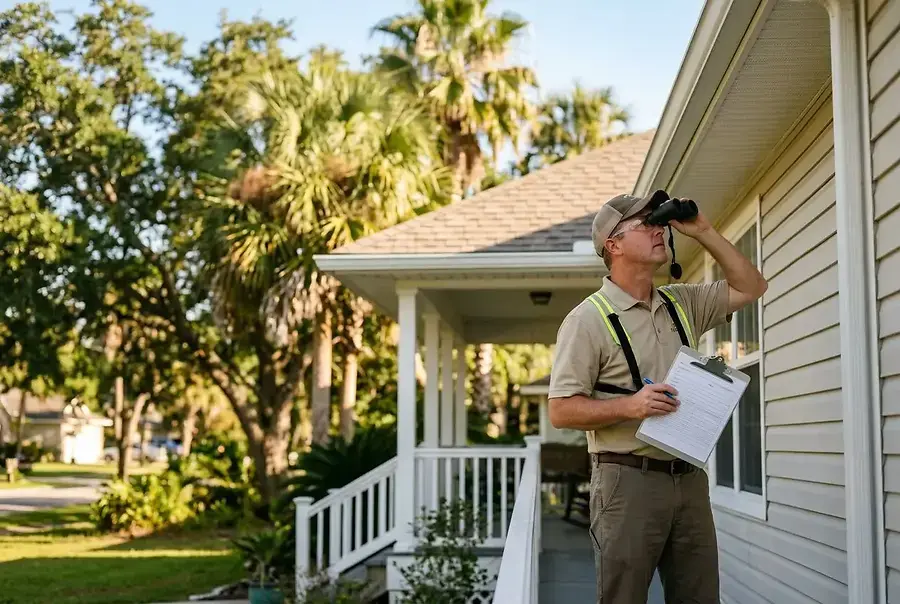
A home inspection is one of the most critical steps in the residential buying process. In Gulfport, professional inspectors examine every major system and component of a property to identify potential issues before you commit to the purchase. This process typically takes two to three hours and provides you with detailed documentation of the property's condition.
During a standard inspection, certified inspectors evaluate:
- Structural integrity and foundation
- Roofing systems and materials
- Plumbing and water systems
- Electrical systems and safety
- HVAC systems and climate control
- Insulation and ventilation
- Interior and exterior conditions
It's important to understand that home inspectors do not perform invasive testing or move personal items. They provide a visual assessment based on accessible areas of the property. Always hire a licensed, insured inspector with experience in Gulfport's unique climate and construction styles.
Common Issues Found in Gulfport Residential Properties
Water Damage and Moisture Problems
Gulfport's coastal climate and humidity levels make water damage one of the most prevalent issues in residential properties. Moisture intrusion can lead to mold growth, structural damage, and costly repairs if left unaddressed. Inspectors carefully examine:
- Roof leaks and damaged shingles
- Foundation cracks and water seepage
- Basement or crawl space moisture
- Plumbing leaks and water stains
Roof and Exterior Concerns
The intense sun and occasional severe weather in Gulfport take a toll on roofing materials. Common findings include missing shingles, deteriorated flashing, and inadequate ventilation. Exterior issues such as rotting wood, damaged siding, and corroded metal components are also frequently identified during inspections.
HVAC System Deficiencies
Air conditioning systems work overtime in Gulfport's warm climate. Inspectors look for signs of wear, improper maintenance, and insufficient cooling capacity. Many older properties may have outdated systems that require replacement or significant upgrades.
Electrical and Plumbing Issues
Outdated electrical panels, insufficient grounding, and corroded plumbing are common in older Gulfport homes. These issues pose safety risks and may require professional remediation before purchase.
How to Evaluate Inspection Reports and Negotiate Repairs
Understanding Your Inspection Report
A comprehensive inspection report categorizes findings by severity level. Pay close attention to items marked as "major concerns" or "safety issues," as these require immediate attention. The report should include photographs, detailed descriptions, and recommendations for each finding.
Take time to review the report thoroughly and ask your inspector questions about anything unclear. Many inspectors offer follow-up consultations to discuss findings in detail.
Prioritizing Repairs and Replacements
Not every finding requires negotiation. Focus on:
- Safety hazards: Electrical problems, structural issues, or mold
- Major systems: Roof, HVAC, plumbing, and foundation
- Code violations: Items that don't meet current building standards
Minor cosmetic issues or routine maintenance items are typically the buyer's responsibility after purchase.
Negotiation Strategies
Remember: The inspection report is your negotiating tool. Use it to request repairs, replacements, or credits from the seller.
When negotiating, provide the seller with repair estimates from licensed contractors. Be reasonable in your requests—sellers are more likely to cooperate if you focus on legitimate safety and structural concerns rather than minor issues. Consider whether you'd prefer the seller to make repairs or provide a credit toward closing costs.
Taking Action: Next Steps After Your Inspection
Addressing Major Findings
If significant issues are discovered, you have several options. You can request the seller make repairs before closing, ask for a credit to handle repairs yourself, or renegotiate the purchase price. Always obtain multiple contractor quotes for major repairs to ensure fair pricing.
Planning for Future Maintenance
Use your inspection report as a maintenance roadmap. Items noted as "serviceable but aging" will likely need attention within the next few years. Budget accordingly and schedule preventive maintenance to avoid costly emergency repairs.
Final Walk-Through
Before closing, conduct a final walk-through to verify that agreed-upon repairs have been completed satisfactorily. Request documentation of any work performed and ensure all systems are functioning properly.
Protecting Your Investment
A thorough home inspection is your best defense against unexpected problems and expenses. By understanding the inspection process, recognizing common Gulfport issues, and using the report effectively, you'll make a confident, informed purchasing decision. Don't skip this crucial step—your investment depends on it.


