Essential Home Inspection Guide for Hampton Roads Homebuyers
Learn what to look for during inspections to protect your investment in Chesapeake, Virginia Beach, Norfolk, Suffolk, and Portsmouth.

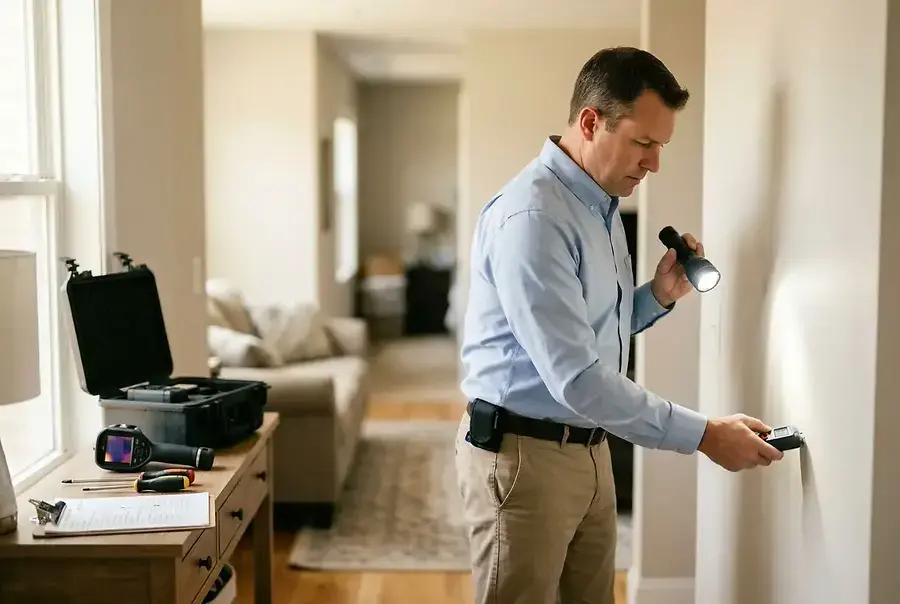
Understanding the Home Inspection Process and Why It Matters
A home inspection is one of the most critical steps in the homebuying process, especially in the Hampton Roads area. This professional evaluation gives you a detailed understanding of your potential property's condition before you commit to the purchase. An inspector will examine the structural integrity, electrical systems, plumbing, HVAC, roofing, and other essential components of the home.
The inspection typically takes 2-4 hours and costs between $300-$500, depending on the home's size and age. This investment can save you thousands of dollars in unexpected repairs after closing. In Hampton Roads, where homes range from historic properties to newer developments, understanding what inspectors look for is crucial for making an informed decision.
What Happens During a Home Inspection
Your inspector will create a comprehensive report documenting the condition of major systems and components. They'll assess:
- Foundation and structural elements
- Roof condition and remaining lifespan
- Electrical systems and safety
- Plumbing and water quality
- HVAC systems and efficiency
- Insulation and ventilation
- Windows, doors, and exterior condition
You have the right to be present during the inspection, and many experts recommend attending to ask questions and understand potential issues firsthand.
Common Issues Found in Hampton Roads Homes: Climate and Age Factors
The Hampton Roads region presents unique challenges due to its coastal climate, humidity levels, and the age of many properties. Understanding these regional factors helps you know what to expect during your inspection.
Moisture and Humidity Problems
The humid subtropical climate of Hampton Roads creates persistent moisture challenges. Mold, mildew, and wood rot are common issues in basements, crawl spaces, and attics. Inspectors will look for signs of water intrusion, inadequate drainage, and ventilation problems that allow moisture to accumulate.
Salt Air Corrosion
Living near the Atlantic Ocean means salt air can corrode metal components, including HVAC units, gutters, and metal roofing. Inspectors will assess the condition of these elements and their remaining lifespan, particularly in properties closer to the water in Virginia Beach and Chesapeake.
Age-Related Wear in Older Homes
Many Hampton Roads homes were built decades ago, particularly in Norfolk and Portsmouth. Older properties may have outdated electrical systems, aging plumbing with galvanized pipes, asbestos insulation, or lead paint. These issues require specialized attention and remediation planning.
Foundation Issues
The region's soil composition and water table can affect foundations. Inspectors will look for cracks, settling, and signs of water damage in basements and crawl spaces, which are common in Hampton Roads properties.
Red Flags to Never Ignore and When to Negotiate Repairs
Not all inspection findings are created equal. Some issues are minor cosmetic concerns, while others indicate serious structural or safety problems that require immediate attention.
Critical Red Flags
Never overlook these major issues:
- Foundation cracks or settling – Can indicate structural problems requiring expensive repairs
- Roof damage or age – Roofs typically last 15-25 years; replacement costs $5,000-$15,000+
- Electrical hazards – Outdated panels, faulty wiring, or improper grounding pose fire and safety risks
- Plumbing issues – Galvanized pipes, sewage problems, or water damage need professional assessment
- HVAC system failure – Replacement costs $3,000-$8,000 depending on the system
- Mold or severe water damage – Indicates ongoing moisture problems that will worsen
- Asbestos or lead paint – Health hazards requiring professional remediation
When to Negotiate Repairs
After receiving the inspection report, you have options. You can request the seller make repairs before closing, ask for a credit to handle repairs yourself, or renegotiate the purchase price. For major issues like roof replacement or foundation repair, requesting a credit is often the best approach, allowing you to choose your own contractors.
Minor issues like caulking, paint touch-ups, or small repairs are typically the buyer's responsibility. Focus your negotiations on significant structural, safety, and system issues that affect the home's value and livability.
Getting a Second Opinion
For major findings, consider hiring a specialist. If the inspector identifies potential foundation problems, hire a structural engineer. For electrical concerns, consult a licensed electrician. These additional inspections cost $200-$500 but provide peace of mind and expert recommendations.
Choosing the Right Inspector and Moving Forward with Confidence
Selecting a qualified home inspector is as important as the inspection itself. The right professional will provide a thorough, unbiased evaluation of your potential home.
What to Look for in an Inspector
- Proper licensing and certifications – Virginia requires home inspectors to be licensed
- Professional memberships – Look for ASHI (American Society of Home Inspectors) or NAHI membership
- Local experience – Choose someone familiar with Hampton Roads homes and regional issues
- Comprehensive reporting – Detailed written reports with photos and clear explanations
- Insurance and bonding – Protects you if the inspector misses significant issues
- Positive reviews – Check references and online ratings from previous clients
Questions to Ask Potential Inspectors
Before hiring, ask about their experience with homes in your specific area, their inspection process, how long reports take to receive, and whether they offer follow-up consultations. Don't choose based solely on price – a thorough inspection is worth the investment.
Moving Forward with Confidence
Armed with a comprehensive inspection report and professional guidance, you can make an informed decision about your Hampton Roads home purchase. Whether you're buying in Chesapeake, Virginia Beach, Norfolk, Suffolk, or Portsmouth, understanding the inspection process protects your investment and ensures you're making a sound financial decision.
Remember: a home inspection is not a deal-breaker – it's a tool for informed decision-making. Use the findings to negotiate fairly, plan for necessary repairs, and move forward with confidence in your new home.