Essential Home Inspection Guide for Hilton Head Property Buyers
Learn the critical inspection checkpoints that protect your investment in Hilton Head's unique coastal climate.

Why Thorough Home Inspections Matter in Hilton Head
Purchasing a home in Hilton Head is an exciting investment, but it requires careful consideration of factors unique to coastal living. A professional home inspection is not just a formality—it's your first line of defense against costly surprises. Hilton Head's subtropical climate, salt air exposure, and proximity to water create specific challenges that differ significantly from inland properties.
The inspection process provides you with a detailed understanding of your potential property's condition before you commit financially. This knowledge empowers you to negotiate repairs, request credits, or make informed decisions about proceeding with your purchase. In a coastal environment like Hilton Head, where weather-related wear and moisture damage are common concerns, a thorough inspection becomes even more critical.
Climate-Specific Inspection Priorities: Salt Air, Moisture, and Structural Concerns
Salt Air Corrosion and Metal Deterioration
Hilton Head's coastal location means properties are constantly exposed to salt-laden air, which accelerates corrosion of metal components. During your inspection, pay special attention to:
- Exterior metal fixtures including railings, gutters, and downspouts
- HVAC units and their metal components
- Roofing materials and metal flashing
- Door and window hardware showing signs of rust or deterioration
Your inspector should document any corrosion and assess whether components need replacement or maintenance. This is particularly important for properties with ocean or marsh views where salt exposure is more intense.
Moisture Intrusion and Mold Prevention
The combination of high humidity, frequent rainfall, and coastal moisture creates ideal conditions for mold growth and water damage. Critical areas to inspect include:
- Attics and crawl spaces for signs of moisture, mold, or inadequate ventilation
- Basement and foundation walls for water staining or seepage
- Windows and doors for proper sealing and water intrusion
- Roof condition and potential leak points
- HVAC systems and their ability to manage humidity levels
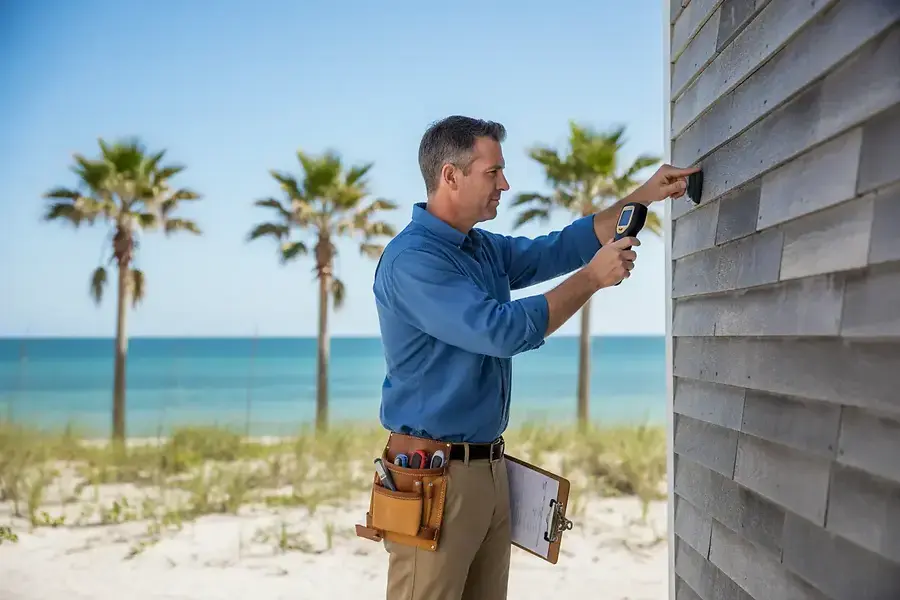
Mold can pose serious health risks and become expensive to remediate. Your inspector should use moisture meters to detect hidden moisture problems before they become visible damage.
Structural Integrity and Foundation Assessment
Hilton Head's sandy soil and high water table present unique structural challenges. Inspectors should evaluate:
- Foundation settling or cracks that may indicate soil movement
- Pilings and support systems for elevated homes, which are common in coastal areas
- Deck and stair integrity, especially for properties with multiple levels
- Wood rot and termite damage in structural components
Elevated homes on pilings require specialized inspection to ensure supports are sound and properly maintained. This is a critical investment protection measure in Hilton Head.
Hurricane and Storm Preparedness Features
Given Hilton Head's location in hurricane country, your inspection should include assessment of:
- Storm shutters or impact-resistant windows
- Roof attachment and wind resistance
- Proper drainage systems to prevent flooding
- Backup power systems if present
What to Expect During Your Professional Home Inspection Process
The Inspection Timeline and Scope
A comprehensive home inspection typically takes two to four hours, depending on the property's size and complexity. Your inspector will systematically examine both interior and exterior components, documenting findings with photographs and detailed notes.
Key Areas of Focus
Exterior Inspection: Your inspector will examine the roof, siding, foundation, landscaping, drainage systems, and any outdoor structures. In Hilton Head, special attention goes to salt-air damage and weathering.
Interior Systems: The inspection covers electrical systems, plumbing, HVAC, insulation, and ventilation. Moisture detection equipment may be used to identify hidden problems.
Structural Components: Walls, ceilings, floors, and support systems are evaluated for integrity and safety concerns.
The Inspection Report
After the inspection, you'll receive a detailed report categorizing findings by severity. Items are typically classified as:
- Critical issues requiring immediate attention
- Major concerns that should be addressed soon
- Minor issues that are maintenance-related
- Recommendations for future maintenance and improvements
This report becomes your negotiating tool. You can request the seller address critical issues, provide credits for repairs, or use findings to renegotiate the purchase price.
Working with Your Inspector
Attend the inspection if possible. Your inspector can explain findings in real-time and answer questions about maintenance requirements. Ask specifically about coastal-related concerns and what preventive measures the current owner has taken.
Making Informed Decisions with Inspection Findings
Armed with your inspection report, you're equipped to make a confident purchasing decision. Don't view inspection findings as deal-breakers—instead, use them as information to negotiate fairly and understand your future maintenance responsibilities.
For Hilton Head properties, prioritize addressing issues related to moisture, salt-air corrosion, and structural integrity. These factors directly impact your home's longevity and your quality of life in this beautiful coastal community.
A thorough home inspection is an investment in peace of mind. By understanding what inspectors look for and why certain coastal factors matter, you're taking the most important step toward protecting your Hilton Head property investment.


