Essential Home Inspection Guide for Independence, MO Homebuyers
Discover what to look for during a home inspection to protect your investment and avoid costly surprises.

Why Home Inspections Matter in Independence's Real Estate Market
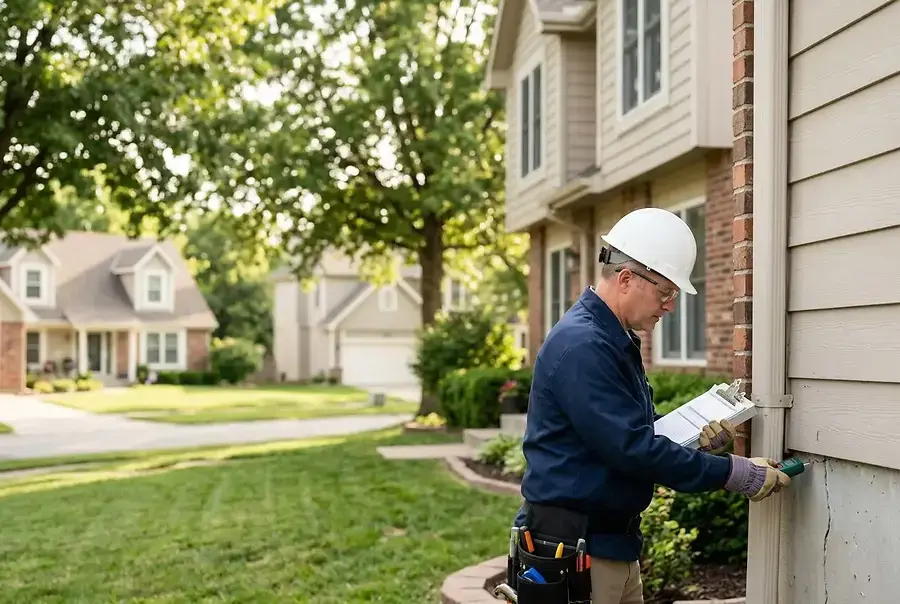
Purchasing a home is one of the most significant financial decisions you'll make in your lifetime. In Independence, Missouri's competitive real estate market, a thorough home inspection is your best defense against inheriting costly problems. A professional inspection provides an objective assessment of a property's condition, giving you the information needed to negotiate repairs, request credits, or walk away from a problematic deal.
Many homebuyers underestimate the importance of inspections, viewing them as an unnecessary expense. However, the average home inspection costs between $300 and $500—a small price compared to the potential cost of hidden structural damage, electrical issues, or plumbing problems that could run into thousands of dollars. In Independence's older neighborhoods and newer developments alike, inspections reveal critical information about a home's true condition.
Key Areas Professional Inspectors Evaluate in Independence Homes
Structural Integrity and Foundation
The foundation is the backbone of any home. Professional inspectors examine foundations for cracks, settling, and water damage. In Independence, where soil composition varies, foundation issues are particularly important to assess. Inspectors look for signs of foundation movement, including cracks in walls, uneven floors, and doors that don't close properly.
Roofing and Attic Conditions
Your roof protects everything beneath it. Inspectors evaluate roof age, material condition, and proper ventilation. They check for missing or damaged shingles, improper flashing, and signs of leaks. The attic inspection reveals insulation levels, ventilation adequacy, and evidence of water intrusion or pest activity—all critical factors affecting energy efficiency and home durability.
Electrical Systems
A comprehensive electrical inspection ensures your home meets current safety standards. Inspectors examine the main panel, circuit breakers, wiring, outlets, and switches. They verify proper grounding and identify outdated systems that may need upgrading. Older Independence homes may have aluminum wiring or insufficient capacity for modern electrical demands, issues that require professional attention.
Plumbing and Water Systems
Inspectors test water pressure, check for leaks, and examine pipes for corrosion or damage. They verify that the water heater functions properly and assess its age and condition. Galvanized pipes common in older homes may be corroded, and outdated plumbing systems could require replacement sooner than expected.
HVAC Systems
Heating, ventilation, and air conditioning systems are evaluated for proper operation and maintenance. Inspectors check furnace and air conditioning unit age, efficiency, and condition. They verify that systems heat and cool adequately throughout the home and assess ductwork for leaks or damage.
Interior and Exterior Conditions
A thorough inspection includes examination of walls, ceilings, floors, windows, doors, and exterior siding. Inspectors look for water damage, mold, pest evidence, and structural deterioration. They assess the condition of decks, porches, and other exterior features that affect both safety and curb appeal.
Red Flags and Common Issues Found in Independence Properties
Water Damage and Moisture Problems
Water damage is one of the most common and costly issues found in home inspections. Look for stains on ceilings and walls, soft spots in flooring, and musty odors indicating moisture problems. Basements and crawl spaces in Independence homes are particularly vulnerable to water intrusion, especially during heavy rains.
Mold and Pest Infestations
Mold growth indicates moisture problems and poses health risks. Inspectors identify visible mold and conditions conducive to mold growth. Similarly, evidence of termites, rodents, or other pests requires immediate professional treatment and can indicate structural damage.
Outdated or Unsafe Electrical Systems
Homes with knob-and-tube wiring, aluminum wiring, or insufficient grounding present fire hazards. These systems may not support modern electrical loads and often require complete replacement—a significant expense that should be factored into your offer.
Roof and Attic Issues
Roofs nearing the end of their lifespan, inadequate ventilation, and insufficient insulation are common findings. A roof replacement can cost $10,000 or more, making this a critical inspection area. Proper attic ventilation prevents moisture accumulation and extends roof life.
HVAC System Age and Condition
Aging furnaces and air conditioning units may fail soon after purchase. Systems typically last 15-20 years, and replacement costs can exceed $5,000. Understanding system age helps you budget for future replacements.
Plumbing Concerns
Corroded pipes, low water pressure, and inadequate drainage are common plumbing issues. Galvanized pipes may need replacement, and outdated plumbing systems may not meet current codes. These issues can be expensive to remedy.
Using Inspection Results to Make Confident Purchasing Decisions
Once you receive the inspection report, take time to understand all findings. Don't panic over minor issues—every home has some wear and tear. Instead, focus on significant problems that affect safety, structural integrity, or major systems.
Use inspection results strategically in negotiations. You have several options:
- Request repairs: Ask the seller to fix major issues before closing
- Request credits: Negotiate a price reduction to cover repair costs yourself
- Request inspections: Ask for specialized inspections (radon, mold, termites) if concerns arise
- Renegotiate: Use findings to adjust your offer price
- Walk away: If issues are too extensive, you may choose not to proceed
Consider hiring a real estate attorney to review inspection results and advise on negotiations. Professional guidance ensures you understand implications of reported issues and make informed decisions protecting your investment.
A home inspection is not about finding reasons to back out of a deal—it's about understanding what you're buying and making informed decisions about your largest financial investment.
In Independence's real estate market, knowledge is power. A thorough home inspection provides the information you need to purchase with confidence, knowing exactly what condition your new home is in and what maintenance or repairs lie ahead. Don't skip this crucial step in the home-buying process.


