Essential Home Inspection Guide for Irving and Rockwall Buyers
Discover what professional inspectors look for and how to protect your investment in North Texas residential properties.

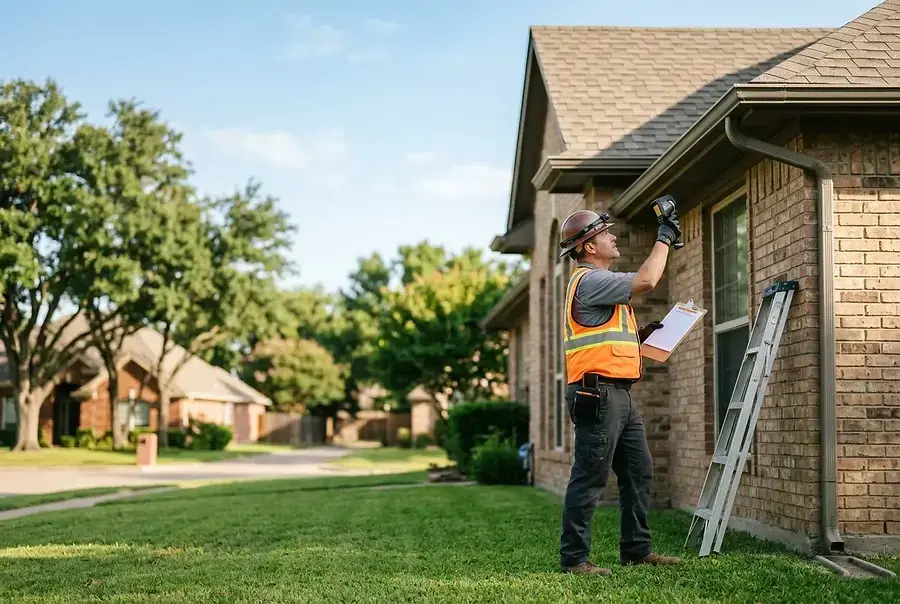
Why Home Inspections Matter in Your Purchase
Purchasing a home is one of the most significant financial decisions you'll make in your lifetime. In Irving and Rockwall, Texas, where the real estate market moves quickly, a professional home inspection serves as your critical safeguard against hidden problems that could cost thousands of dollars to repair. A thorough inspection provides you with detailed knowledge about your potential property's condition before you commit to the purchase.
Many first-time homebuyers underestimate the importance of inspections, viewing them as an optional expense. However, a comprehensive inspection typically costs between $300 and $500 and can reveal issues that might otherwise remain hidden until after closing. From structural concerns to mechanical failures, inspectors identify problems that directly impact your home's safety, value, and long-term affordability.
The inspection period is your opportunity to negotiate repairs, request credits, or even walk away from a problematic property. Without this crucial step, you could inherit expensive liabilities that weren't apparent during your initial walkthrough.
Key Areas Inspectors Evaluate and Red Flags to Watch For
Structural Components and Foundation
Inspectors begin by examining your home's foundation and structural integrity. They look for:
- Cracks in the foundation or basement walls
- Signs of settling or shifting
- Water damage or moisture intrusion
- Proper grading around the foundation
Foundation issues are among the most expensive problems to repair, making this assessment critical. In North Texas, clay soil composition can cause foundation movement, so inspectors pay special attention to this area.
Roofing and Exterior
Your roof protects everything beneath it, so inspectors evaluate:
- Roof age and remaining lifespan
- Missing, cracked, or curling shingles
- Proper ventilation and attic conditions
- Gutters, downspouts, and drainage systems
- Exterior walls, siding, and caulking
A roof replacement can easily exceed $10,000, making this inspection component invaluable for budgeting purposes.
Plumbing Systems
Inspectors test water pressure, check for leaks, and evaluate:
- Water heater age and condition
- Pipe materials and corrosion signs
- Drain functionality and backflow prevention
- Septic systems (if applicable)
Outdated plumbing or galvanized pipes can lead to costly replacements. Inspectors will note any concerns that could affect water quality or system reliability.
Electrical Systems
A qualified inspector examines:
- Panel capacity and breaker conditions
- Grounding and bonding integrity
- Outlet and switch functionality
- Presence of outdated wiring (aluminum or knob-and-tube)
Electrical issues pose safety hazards and should never be ignored. Outdated systems may require complete rewiring, which represents a significant investment.
HVAC Systems
Your heating and cooling systems are essential for North Texas comfort. Inspectors evaluate:
- Age and operational efficiency
- Proper airflow and ductwork condition
- Thermostat functionality
- Maintenance records
HVAC replacement costs can reach $8,000 or more, so understanding system age and condition is crucial.
Interior Conditions
Inspectors also assess:
- Interior walls and ceilings for water damage or mold
- Windows and doors for proper operation
- Flooring conditions and subfloor integrity
- Kitchen and bathroom fixtures
- Insulation levels in attic and walls
Preparing for Your Inspection and Understanding the Report
Before the Inspection
Preparation ensures you get the most value from your inspection:
- Schedule early in your purchase timeline to allow time for negotiations if issues arise
- Ensure utilities are on so the inspector can test systems
- Request access to attics, crawlspaces, and basements
- Gather any available maintenance records or warranties
- Plan to attend the inspection if possible to ask questions
During the Inspection
Stay present and engaged during the inspection process. Ask questions about any concerns the inspector identifies. Take notes on recommendations and ask for clarification on severity levels. Understanding the difference between minor maintenance issues and major structural problems is essential.
Reading Your Inspection Report
Professional inspection reports typically categorize findings by severity:
- Critical Issues: Safety hazards or major system failures requiring immediate attention
- Major Issues: Significant problems affecting home value or functionality
- Minor Issues: Maintenance items or cosmetic concerns
- Recommendations: Suggested improvements or further evaluation by specialists
Don't panic if your report includes multiple items. Most homes have some issues. Focus on critical and major findings when negotiating with the seller.
Next Steps After Inspection
Use your inspection results strategically:
- Request seller repairs for critical issues
- Negotiate credits for problems you'll handle yourself
- Obtain specialist quotes for major concerns
- Plan your post-purchase maintenance budget
Using Inspection Results to Make Informed Decisions
Your home inspection report is a powerful negotiating tool and planning document. Armed with detailed information about your property's condition, you can make decisions based on facts rather than emotions.
If significant issues emerge, you have options: request repairs, ask for credits toward closing costs, renegotiate the purchase price, or exercise your inspection contingency to walk away. In Irving and Rockwall's competitive market, understanding your property's true condition gives you confidence and leverage.
Remember, a thorough home inspection isn't about finding reasons to back out of a deal—it's about understanding what you're buying and planning accordingly.
Work closely with your real estate agent and inspector to prioritize findings. Some issues can be addressed immediately, while others might be acceptable based on your budget and timeline. The inspection process empowers you to invest wisely in your North Texas home.