Essential Home Inspection Guide for Knoxville Real Estate Buyers
Protect your investment by learning what to inspect and red flags to watch for before closing on your Knoxville home.

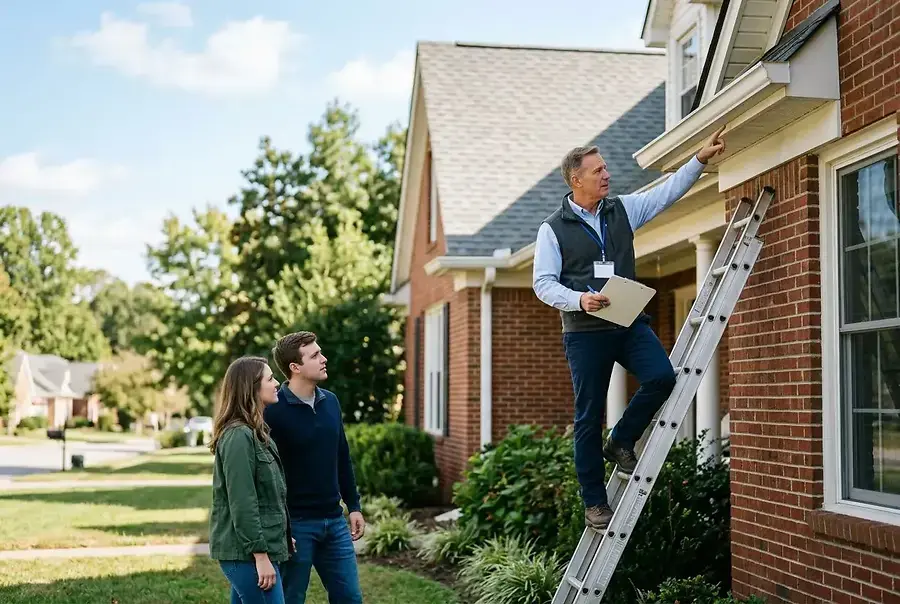
Why Home Inspections Matter in Knoxville
Purchasing a home is one of the most significant financial decisions you'll make in your lifetime. In Knoxville's competitive real estate market, it's crucial to protect your investment by conducting a thorough home inspection before closing. A professional home inspection can reveal hidden issues that might not be visible to the untrained eye, potentially saving you thousands of dollars in unexpected repairs.
Home inspections are particularly important in Knoxville due to the region's climate and older housing stock. Many homes in the area experience unique challenges related to humidity, seasonal weather changes, and aging infrastructure. By understanding what to look for during an inspection, you can make informed decisions and negotiate repairs or price adjustments with confidence.
Key Areas to Inspect: Foundation, Roof, and Systems
Foundation and Structural Integrity
The foundation is the backbone of any home. During your inspection, look for:
- Cracks and settling: Small hairline cracks are normal, but larger cracks or stair-step patterns may indicate serious structural issues
- Water damage and moisture: Knoxville's humidity can lead to basement moisture problems and mold growth
- Uneven floors: Walking through the home, notice if floors slope or feel uneven, which could signal foundation problems
- Gaps between walls and foundation: These can indicate shifting or settling issues
Roof Condition and Longevity
Your roof protects everything beneath it, making its condition critical. Inspect for:
- Shingle condition: Look for missing, curled, or deteriorating shingles that may need replacement soon
- Flashing and seals: Check around chimneys, vents, and skylights for proper sealing to prevent leaks
- Roof age: Ask the seller about the roof's age; most roofs last 20-25 years
- Sagging or uneven surfaces: These indicate structural problems or water damage
- Gutters and drainage: Ensure gutters are properly attached and direct water away from the foundation
Electrical, Plumbing, and HVAC Systems
These systems are essential for daily living and can be expensive to repair or replace:
- Electrical panel: Check for outdated panels, double-tapped breakers, or aluminum wiring, which can be fire hazards
- Water pressure and quality: Test water pressure throughout the home and ask about water treatment systems
- Plumbing materials: Older homes may have galvanized pipes or polybutylene pipes that are prone to failure
- HVAC age and condition: Ask about the age of heating and cooling systems; replacement costs can be substantial
- Water heater: Check the age and condition; most water heaters last 8-12 years
Red Flags and What They Mean for Your Purchase
Mold and Water Intrusion
Why it matters: Mold can cause health issues and indicates ongoing moisture problems. Water intrusion suggests potential structural damage and expensive repairs. In Knoxville's humid climate, this is a common concern that requires immediate attention.
Pest Damage and Infestations
Why it matters: Termites, carpenter ants, and other pests can cause significant structural damage. Look for wood damage, mud tubes, or signs of active infestations. Pest remediation and structural repairs can be costly.
Outdated or Unsafe Systems
Why it matters: Knob-and-tube wiring, asbestos insulation, or lead paint are serious health and safety concerns. These materials require professional removal and can significantly impact your insurance rates and home value.
Poor Ventilation and Insulation
Why it matters: Inadequate insulation and ventilation lead to higher energy bills and potential moisture problems. In Knoxville's climate, proper insulation is essential for comfort and efficiency.
Deferred Maintenance
Why it matters: If the home shows signs of neglect—peeling paint, broken fixtures, or overgrown landscaping—it may indicate deeper problems. Deferred maintenance often signals that major systems haven't been properly maintained either.
Making Informed Decisions with Inspection Results
Understanding Your Inspection Report
A professional home inspector will provide a detailed report categorizing issues by severity. Critical items require immediate attention and may affect your decision to purchase. Major items should be addressed soon to prevent further damage. Minor items are typically cosmetic or low-priority repairs.
Negotiating After Inspection
Once you receive the inspection report, you have several options:
- Request the seller make repairs before closing
- Negotiate a price reduction to cover repair costs
- Ask for a credit at closing to handle repairs yourself
- Walk away from the deal if issues are too significant
Planning for Future Maintenance
Use the inspection report as a roadmap for future maintenance. Understanding the condition of major systems helps you budget for upcoming repairs and replacements. Regular maintenance can extend the life of your home's systems and prevent costly emergency repairs.
"A thorough home inspection is an investment in peace of mind. It provides you with the information needed to make confident decisions about one of life's biggest purchases."
Conclusion
A comprehensive home inspection is an essential step in the Knoxville home buying process. By understanding what to inspect, recognizing red flags, and knowing how to use inspection results, you can protect your investment and make informed decisions. Don't skip this critical step—hire a qualified, licensed home inspector and take time to review the findings carefully. Your future self will thank you for the due diligence you perform today.