Essential Home Inspection Guide for Lakeland Residential Buyers
Master the home inspection process to protect your investment and avoid costly surprises before closing.

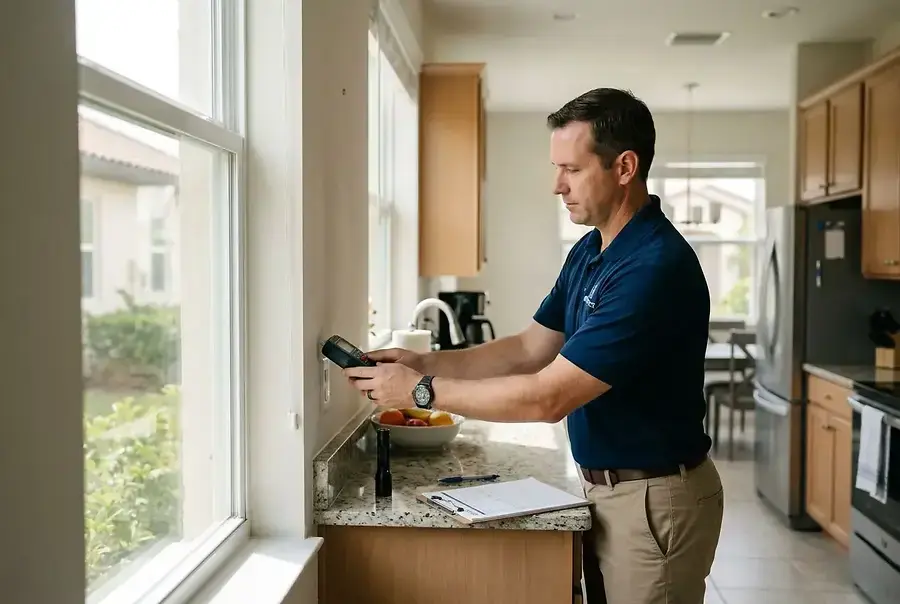
Understanding What a Professional Home Inspector Evaluates
A professional home inspection is one of the most critical steps in the home-buying process. During this comprehensive evaluation, certified inspectors examine virtually every aspect of a property to identify potential issues that could affect its safety, functionality, and value.
Structural Components
Inspectors begin by evaluating the home's foundation, framing, and overall structural integrity. They look for signs of settling, cracks, water damage, and pest infestations that could compromise the building's stability. In Lakeland, where humidity and moisture are common concerns, inspectors pay special attention to foundation conditions and basement or crawl space moisture levels.
Roofing and Exterior
The roof is your home's first line of defense against the elements. Inspectors assess shingle condition, flashing integrity, gutters, and drainage systems. They also examine siding, windows, doors, and exterior caulking to ensure proper weatherproofing. Given Florida's weather patterns, roof condition is particularly important in Lakeland properties.
Plumbing and Electrical Systems
A thorough inspection includes testing water pressure, checking for leaks, examining pipe materials, and verifying proper drainage. Electrical systems are evaluated for code compliance, adequate grounding, proper panel sizing, and any outdated wiring that may pose safety risks. Both systems are critical to daily living and can be expensive to repair if problems exist.
HVAC and Appliances
Inspectors test heating and cooling systems to ensure they operate efficiently and safely. They also evaluate the condition of major appliances included in the sale, such as refrigerators, ovens, dishwashers, and water heaters. In Lakeland's warm climate, air conditioning systems receive particular scrutiny.
Common Issues Found in Lakeland Homes and How to Address Them
Lakeland's unique climate and geography create specific challenges for homeowners. Understanding these common issues helps you prepare for potential repairs and negotiate more effectively.
Moisture and Mold Concerns
Florida's humidity creates an ideal environment for moisture accumulation and mold growth. Common problem areas include:
- Attics with inadequate ventilation
- Bathrooms and kitchens with poor exhaust systems
- Crawl spaces and basements
- Areas around windows and doors with failed seals
How to Address It: Request documentation of any mold remediation. Ensure proper ventilation systems are installed and functioning. Consider having a separate mold inspection if moisture issues are detected.
Roof Deterioration
Lakeland's intense sun and occasional severe weather accelerate roof aging. Inspectors look for missing shingles, curling, granule loss, and improper installation. Most asphalt roofs last 15-20 years, so age is a critical factor.
How to Address It: Obtain a detailed roof inspection report. If the roof is nearing the end of its lifespan, factor replacement costs into your offer or request the seller make repairs before closing.
Foundation Issues
Lakeland's sandy soil and water table can cause foundation settling and cracking. While minor cracks are normal, significant structural cracks require professional evaluation and repair.
How to Address It: Have a structural engineer evaluate any significant foundation concerns. This specialized assessment provides clarity on repair costs and urgency.
Outdated Electrical Systems
Older Lakeland homes may have aluminum wiring, insufficient panel capacity, or outdated breaker systems that don't meet current safety standards.
How to Address It: Request a licensed electrician's assessment for any flagged issues. Budget for potential panel upgrades or rewiring if necessary.
Using Inspection Reports to Negotiate Better Offers
The inspection report is a powerful negotiating tool. Rather than viewing it as a deal-breaker, use it strategically to improve your position.
Prioritize Issues by Severity
Not all inspection findings are created equal. Categorize issues into three groups:
- Critical: Safety hazards or major structural problems requiring immediate attention
- Important: Systems nearing end of life or requiring significant repairs
- Minor: Cosmetic issues or routine maintenance items
Request Repairs or Credits
After receiving the inspection report, you have several options. You can request the seller make specific repairs before closing, ask for a credit toward closing costs to handle repairs yourself, or negotiate a price reduction. Focus your requests on critical and important items, as sellers are more likely to agree to reasonable demands.
Get Contractor Estimates
Before negotiating, obtain written estimates from licensed contractors for significant repairs. This gives you concrete numbers to present during negotiations and prevents disputes about repair costs.
Know When to Walk Away
If the inspection reveals extensive problems that would require substantial investment, you may need to reconsider the purchase. Your inspection contingency allows you to withdraw from the contract if issues are too severe. Trust your inspector's professional judgment and your own comfort level.
Taking Action: Next Steps After Your Home Inspection
Once you've received your inspection report, follow these steps to protect your investment:
Review the Report Thoroughly
Don't just skim the summary. Read the entire report, including photographs and detailed descriptions. Ask your inspector to clarify any confusing findings or recommendations.
Schedule a Walk-Through with Your Inspector
Many inspectors offer follow-up consultations where they walk through the property with you, pointing out issues and explaining their significance. This personal guidance is invaluable for understanding what you're buying.
Consult with Specialists if Needed
For major concerns flagged in the inspection, consider hiring specialists such as structural engineers, mold inspectors, or licensed contractors. Their expertise provides additional confidence in your decision-making.
Submit Your Repair Request
Within your inspection contingency period, formally request repairs, credits, or price reductions based on inspection findings. Be reasonable in your requests and prioritize the most significant issues.
Plan Your Repairs and Maintenance
Even if the seller addresses major issues, create a maintenance plan for items noted in the report. Regular maintenance prevents small problems from becoming expensive repairs and helps preserve your home's value.
Final Thought: A professional home inspection is an investment in peace of mind. By understanding what inspectors evaluate, recognizing common Lakeland issues, and using your inspection report strategically, you'll make a more informed decision and protect your most significant investment for years to come.


