Essential Home Inspection Guide for Lakeland Residential Buyers
Discover the critical inspection points that protect your investment in Lakeland's residential market.

Introduction: Why Home Inspections Matter for Lakeland Buyers
Purchasing a home is one of the most significant financial decisions you'll make, and in Lakeland's competitive residential market, a thorough home inspection is your best defense against costly surprises. A professional inspection provides an objective assessment of a property's condition, identifying potential issues before you commit to the purchase. This critical step can save you thousands of dollars in unexpected repairs and give you the peace of mind that comes with understanding exactly what you're buying.
Lakeland's unique climate and environmental conditions present specific challenges that differ from other regions. The combination of heat, humidity, and occasional flooding risks means that certain systems and structural elements require particular attention during an inspection. Whether you're a first-time homebuyer or an experienced investor, understanding what inspectors look for can help you make informed decisions about your property purchase.
Key Structural and System Issues to Watch for in Florida Homes
Foundation and Moisture Concerns
Florida's sandy soil and high water table make foundation issues a primary concern for Lakeland homeowners. During your inspection, pay close attention to:
- Cracks in the foundation – Both horizontal and vertical cracks can indicate settling or structural movement
- Water intrusion signs – Look for staining, efflorescence, or dampness in basements and crawl spaces
- Pier and beam systems – Common in Florida, these require inspection for rot, deterioration, and proper spacing
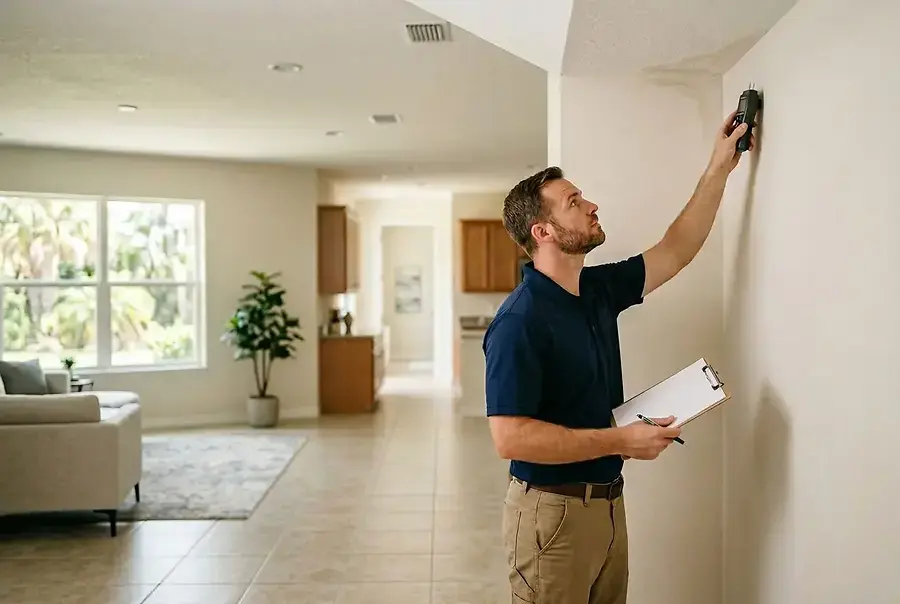
The inspector should use moisture meters to detect hidden water damage that isn't immediately visible. This is especially important in Lakeland, where humidity levels can promote mold growth and wood rot if proper ventilation isn't maintained.
Roof and Weather Protection
Your roof is your home's first line of defense against Florida's intense sun and occasional severe weather. Critical inspection points include:
- Shingle condition – Look for curling, missing shingles, or granule loss that indicates aging
- Flashing integrity – Proper sealing around chimneys, vents, and skylights prevents water leaks
- Attic ventilation – Adequate airflow reduces heat buildup and extends roof life
- Age assessment – Most roofs last 15-20 years in Florida's climate
HVAC Systems
Air conditioning isn't a luxury in Lakeland—it's essential. Your inspector should thoroughly evaluate:
- Unit age and condition – Older systems may need replacement soon
- Refrigerant levels – Proper charge ensures efficiency and longevity
- Ductwork integrity – Leaks reduce efficiency and increase energy costs
- Thermostat functionality – Ensure proper temperature control and programming
Plumbing and Water Systems
Florida's water quality and mineral content can affect plumbing systems differently than other regions. Key inspection areas include:
- Pipe materials – Older homes may have corroded copper or galvanized pipes
- Water pressure and flow – Test all fixtures to ensure adequate performance
- Drain functionality – Check for slow drains or backups indicating blockages
- Water heater condition – Assess age, corrosion, and proper operation
Electrical Systems
Electrical safety is paramount in any home inspection. Your inspector will examine:
- Panel condition and capacity – Ensure the system can handle your household's electrical needs
- Grounding and bonding – Critical for safety in Florida's humid environment
- Outlet and switch functionality – Test GFCI outlets, especially in wet areas
- Wiring condition – Look for outdated or damaged wiring that poses fire risks
Pest and Termite Concerns
Florida's warm climate creates ideal conditions for termites and other pests. While a separate termite inspection is often recommended, your general home inspector should note:
- Signs of termite damage or active infestations
- Evidence of other pest activity
- Conditions that attract pests, such as wood-to-soil contact
Working with Inspectors and Understanding Your Inspection Report
Choosing the Right Inspector
Select an inspector who is licensed, insured, and experienced with Florida properties. Look for professionals who are members of professional organizations and have strong references from local real estate agents and previous clients. Don't hesitate to ask about their specific experience with Lakeland homes and Florida-specific issues.
What to Expect During the Inspection
A thorough home inspection typically takes 2-4 hours, depending on the property's size and age. You should attend the inspection to ask questions and gain firsthand knowledge of the home's condition. The inspector will document findings with photographs and detailed notes that become part of your official report.
Interpreting Your Report
Home inspection reports categorize findings by severity. Critical issues require immediate attention and may affect your purchase decision. Major concerns should be addressed soon to prevent further damage. Minor issues are typically maintenance items that don't pose immediate risks. Understanding these distinctions helps you prioritize repairs and negotiate with sellers effectively.
A professional inspection report is your roadmap to understanding your home's true condition and planning for future maintenance and repairs.
Using Inspection Results in Negotiations
Armed with your inspection report, you can request repairs, credits, or price reductions from the seller. Focus negotiations on significant issues that affect safety, functionality, or long-term value. Be reasonable in your requests—sellers are more likely to cooperate when you target genuine problems rather than minor cosmetic issues.
Conclusion: Protecting Your Lakeland Home Investment
A comprehensive home inspection is an investment in your peace of mind and financial security. By understanding what inspectors look for and the specific challenges of Lakeland properties, you're better equipped to make informed decisions about your home purchase. Don't skip this critical step or rush through it—take time to review the report thoroughly and ask your inspector questions about any findings.
Remember that a home inspection isn't just about identifying problems; it's about understanding your new property's condition and planning for its maintenance and care. With this knowledge in hand, you can move forward with confidence in your Lakeland home purchase, knowing you've taken the necessary steps to protect your investment for years to come.


