Essential Home Inspection Guide for Lancaster County Homebuyers
Protect your investment by understanding what professional inspectors look for in Nebraska residential properties.

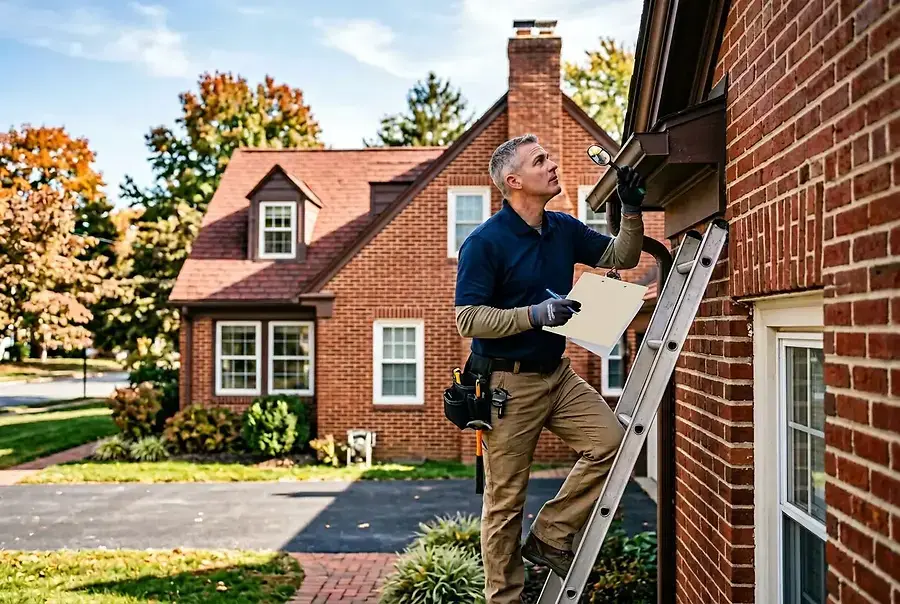
Why Home Inspections Matter for Lancaster County Buyers
Purchasing a home is one of the most significant investments you'll make in your lifetime. In Lancaster County, Nebraska, where the real estate market is competitive and diverse, a professional home inspection is your best defense against costly surprises after closing. A thorough inspection provides you with detailed knowledge about your property's condition, helping you make informed decisions and negotiate repairs or price adjustments with confidence.
Many first-time homebuyers underestimate the importance of this critical step. Without a professional inspection, you could inherit structural problems, outdated electrical systems, plumbing issues, or HVAC concerns that could cost thousands to repair. In Lancaster County's climate, where homes face unique seasonal challenges, understanding your property's condition is especially important.
What Professional Inspectors Evaluate in Your New Home
Structural Components and Foundation
Professional inspectors begin by examining your home's foundation and structural integrity. They look for cracks in the foundation, signs of settling, water damage, and any evidence of structural movement. In Lancaster County, where soil composition and weather patterns can affect foundations, this assessment is particularly crucial. Inspectors will check basement walls, crawl spaces, and the overall stability of the structure.
Roofing and Exterior
The roof is your home's first line of defense against Nebraska's weather. Inspectors evaluate:
- Shingle condition and remaining lifespan
- Flashing around chimneys and vents
- Gutters and downspout functionality
- Exterior siding and caulking
- Windows and door seals
A well-maintained roof can last 20-25 years, but Lancaster County's weather patterns may accelerate wear and tear.
Electrical Systems
Inspectors examine your home's electrical panel, wiring, outlets, and switches. They verify that the system meets current safety codes and can handle modern electrical demands. Older homes in Lancaster County may have outdated electrical systems that need upgrading to safely accommodate today's appliances and technology.
Plumbing and Water Systems
A comprehensive plumbing inspection includes checking water pressure, drainage systems, water heater condition, and pipe materials. Inspectors test all fixtures and look for signs of leaks or corrosion. They also evaluate your water supply source and any septic systems, which are common in rural Lancaster County properties.
HVAC Systems
Your heating, ventilation, and air conditioning systems are essential for comfort year-round. Inspectors assess the furnace, air conditioner, ductwork, and thermostat functionality. They verify that systems are properly sized for your home and operating efficiently.
Interior Conditions
Professional inspectors examine walls, ceilings, floors, and insulation. They look for water damage, mold, pest evidence, and structural issues. They also check doors, windows, and built-in appliances to ensure everything functions properly.
Red Flags and Common Issues Found in Lancaster County Properties
Water Damage and Moisture Problems
Water damage is one of the most common issues found in Lancaster County homes. Heavy rainfall and snowmelt can lead to basement flooding, foundation cracks, and moisture infiltration. Look for water stains, efflorescence (white mineral deposits), or musty odors that indicate past or present moisture problems.
Outdated Electrical Systems
Older homes may have aluminum wiring or insufficient electrical capacity. This is a serious safety concern that requires professional remediation. Knob-and-tube wiring, common in homes built before the 1950s, poses fire hazards and should be replaced entirely.
Roof and Gutter Issues
Nebraska's weather can be harsh on roofing materials. Missing shingles, improper drainage, and inadequate flashing are common problems that inspectors frequently identify. Addressing these issues promptly prevents more expensive water damage.
HVAC System Age and Efficiency
Many Lancaster County homes have aging heating and cooling systems. Systems over 15 years old may be inefficient and costly to operate. Inspectors will note the age and condition, helping you budget for potential replacement.
Plumbing Concerns
Galvanized pipes, which corrode over time, are found in many older homes. Polybutylene pipes, used in homes built in the 1980s-1990s, are prone to failure. These issues should be addressed before closing.
Pro Tip: Always attend your home inspection. This gives you the opportunity to ask questions, learn about your home's systems, and understand maintenance requirements.
Pest and Mold Issues
Termites, carpenter ants, and other pests can cause significant structural damage. Mold growth, often related to moisture problems, poses health risks. Professional inspectors are trained to identify these issues early.
Making Informed Decisions Before Closing
Once you receive your inspection report, take time to review it carefully. Don't panic about minor issues—every home has some wear and tear. Instead, focus on significant problems that affect safety, functionality, or value.
Use the inspection report as a negotiation tool. You can request that the seller make repairs, provide credits for repairs you'll handle yourself, or adjust the purchase price accordingly. In Lancaster County's market, having a detailed inspection report strengthens your negotiating position.
Consider hiring specialists for any major concerns identified during the general inspection. A structural engineer, electrician, or plumber can provide detailed assessments and repair estimates.
Finally, keep your inspection report for future reference. It serves as a baseline for your home's condition and helps you plan maintenance and upgrades. Understanding your home's systems and potential issues allows you to be a proactive homeowner and protect your investment for years to come.
A professional home inspection is an investment in your peace of mind and financial security. In Lancaster County, where homes vary widely in age and condition, this critical step ensures you're making an informed decision about one of life's most important purchases.