Essential Home Inspection Guide for Las Vegas Valley Residential Buyers
Discover what professional inspectors evaluate when assessing residential properties in Henderson, Las Vegas, and North Las Vegas.

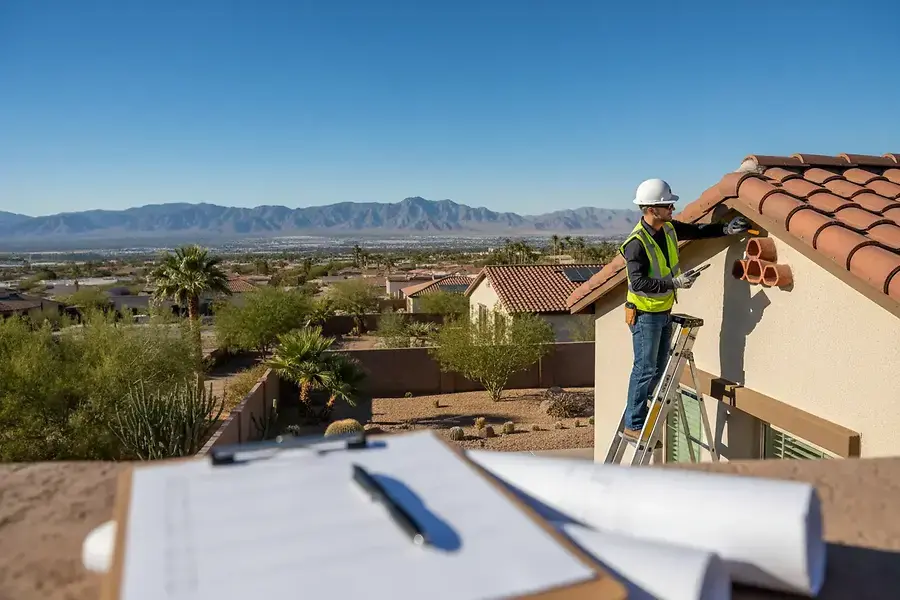
Why Home Inspections Matter in the Las Vegas Market
Purchasing a home is one of the most significant financial decisions you'll make, and in the competitive Las Vegas Valley real estate market, a thorough home inspection is essential. Whether you're buying in Henderson, Las Vegas, or North Las Vegas, a professional inspection provides an objective assessment of your potential property's condition before you commit to the purchase.
Home inspections protect your investment by identifying structural issues, safety hazards, and costly repairs that may not be visible during a casual walkthrough. In the Las Vegas Valley, where extreme heat, dust storms, and intense sun exposure can accelerate wear and tear on properties, inspections are particularly valuable. They give you leverage in negotiations and help you understand the true cost of homeownership.
Common Issues Found in Local Residential Properties
HVAC and Cooling System Problems
The desert climate demands reliable air conditioning systems. Inspectors frequently find worn compressors, refrigerant leaks, and inadequate maintenance in older units. Many properties in the Las Vegas Valley have aging HVAC systems that struggle during peak summer months, leading to expensive replacements.
Roof and Sun Damage
Intense UV radiation and extreme temperatures cause premature deterioration of roofing materials. Inspectors look for cracked shingles, missing tiles, and compromised flashing. Flat roofs, common in desert construction, are particularly susceptible to pooling water and membrane damage.
Plumbing Issues
Hard water and mineral deposits are prevalent in the Las Vegas Valley. Inspectors frequently identify:
- Corroded pipes and fittings
- Low water pressure from mineral buildup
- Leaking fixtures and water heaters
- Outdated galvanized piping
Electrical System Deficiencies
Older homes may have outdated electrical panels, insufficient outlets, and improper grounding. Inspectors check for code violations and safety hazards that could pose fire risks or require expensive upgrades.
Foundation and Structural Concerns
The desert's expansive clay soil can cause foundation movement. Inspectors examine for cracks in concrete, uneven floors, and settling issues that may indicate more serious structural problems requiring professional evaluation.
Pool and Spa Maintenance
Many Las Vegas Valley homes feature pools and spas. Inspectors assess pump functionality, filter conditions, and structural integrity. Neglected pools can become expensive liabilities.
What to Expect During Your Home Inspection Process
Pre-Inspection Preparation
Before the inspector arrives, ensure the property is accessible. Unlock gates, garages, and utility areas. The inspection typically takes two to four hours depending on the home's size and age. Plan to be present so you can ask questions and learn about the property's systems.
The Inspection Walkthrough
Professional inspectors follow a systematic approach, examining:
- Exterior: Roof, siding, gutters, landscaping, and drainage
- Foundation: Cracks, settling, and moisture intrusion
- Interior: Walls, ceilings, floors, and doors
- Kitchen and bathrooms: Fixtures, cabinets, and water damage
- HVAC systems: Furnace, air conditioning, and ductwork
- Electrical: Panel, outlets, and wiring
- Plumbing: Pipes, fixtures, and water heater
- Attic and crawl spaces: Insulation, ventilation, and pest damage
The Inspection Report
After completion, you'll receive a detailed report documenting findings. Reports typically categorize issues as:
- Safety Hazards: Immediate concerns requiring urgent attention
- Major Repairs: Significant issues affecting home value or functionality
- Minor Issues: Small repairs or maintenance recommendations
- Maintenance Tips: Preventative care suggestions
The report includes photographs, descriptions, and repair estimates, providing a comprehensive overview of the property's condition.
Using the Inspection Report
Armed with inspection findings, you have several options:
- Renegotiate the price based on repair costs
- Request repairs from the seller before closing
- Request credits to handle repairs yourself
- Walk away if issues are too significant
In the Las Vegas Valley market, inspection reports provide valuable negotiating power. Sellers often prefer price reductions to making repairs, allowing you to choose contractors and manage the work yourself.
Using Inspection Reports to Make Confident Offers
A thorough home inspection transforms you from a passive buyer into an informed decision-maker. In Henderson, Las Vegas, and North Las Vegas, where property values are significant, understanding a home's true condition is invaluable.
Don't skip the inspection to save money. The typical inspection cost of $300-$500 is minimal compared to potential repair expenses. Many buyers discover issues that would have cost thousands to address after purchase.
Use inspection findings to:
- Make informed decisions about proceeding with the purchase
- Understand long-term maintenance costs and budgeting needs
- Identify safety hazards requiring immediate attention
- Plan renovation projects and prioritize repairs
- Negotiate better terms with sellers
Professional home inspections are your safeguard in the Las Vegas Valley real estate market. By understanding what inspectors evaluate and how to interpret their findings, you'll make confident purchasing decisions that protect your investment and ensure your new home is safe, sound, and worth the price you're paying.
Remember: A home inspection is not just about finding problems—it's about gaining peace of mind and making the best financial decision for your family's future.


