Essential Home Inspection Guide for Lewisville Property Buyers
Learn what to look for during inspections to protect your investment and avoid costly surprises.

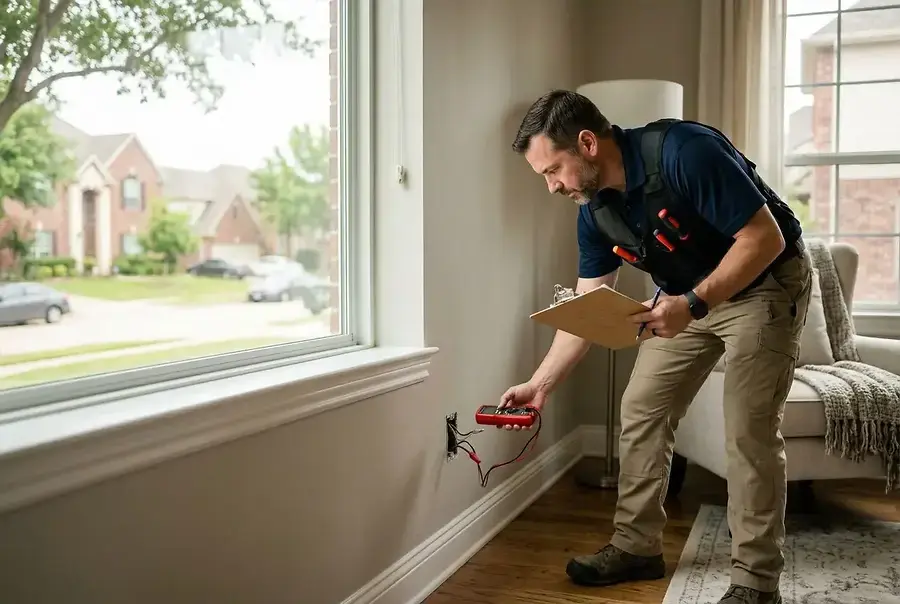
Understanding the Home Inspection Process
Purchasing a home is one of the most significant investments you'll make in your lifetime. In Lewisville, a thorough home inspection is a crucial step in the buying process that can save you thousands of dollars in unexpected repairs and maintenance costs. A professional home inspection typically takes two to three hours and involves a detailed examination of the property's structural components, systems, and overall condition.
During the inspection, a certified inspector will evaluate the home's major systems and structures, providing you with a comprehensive report that details any issues found. This report becomes your roadmap for making informed decisions about your purchase. Understanding what inspectors look for and how to interpret their findings empowers you to negotiate effectively and move forward with confidence.
What to Expect During Your Inspection
As a buyer, you have the right to be present during the inspection. In fact, it's highly recommended that you attend. This gives you the opportunity to ask questions, understand the inspector's concerns firsthand, and learn about the property's maintenance history. The inspector will walk through the home systematically, documenting findings with photos and detailed notes that will be compiled into a formal report.
Critical Areas Inspectors Examine
Professional home inspectors focus on several key areas that directly impact the safety, functionality, and value of your property. Understanding these critical areas helps you know what questions to ask and what to prioritize in your inspection report.
Foundation and Structural Integrity
The foundation is the backbone of any home. Inspectors look for cracks, settling, water damage, and signs of structural movement. In Lewisville, where soil conditions can vary, foundation issues are particularly important to assess. Any significant cracks or evidence of water intrusion should be taken seriously and may warrant a specialized foundation inspection.
Roofing and Exterior
Your roof protects everything beneath it, making its condition paramount. Inspectors examine:
- Shingle condition and remaining lifespan
- Flashing around chimneys and vents
- Gutters and downspouts
- Exterior walls for damage or deterioration
- Windows and doors for proper sealing
A roof nearing the end of its life can cost $8,000 to $15,000 to replace, so this assessment is critical for your budget planning.
Plumbing Systems
Inspectors test water pressure, check for leaks, examine pipe materials, and assess the water heater's condition. They'll also verify that the home has proper drainage and that septic or sewer systems function correctly. Hidden plumbing issues can lead to water damage and mold growth, making this inspection area especially important.
Electrical Systems
A thorough electrical inspection includes checking the main panel, circuit breakers, outlets, and wiring. Outdated wiring or an undersized electrical panel can be safety hazards and may require costly upgrades to support modern appliances and technology.
HVAC Systems
Heating, ventilation, and air conditioning systems are essential for comfort and indoor air quality. Inspectors evaluate the furnace, air conditioner, ductwork, and thermostat. They'll note the age of these systems and any maintenance issues that could affect performance or longevity.
Insulation and Ventilation
Proper insulation and ventilation affect energy efficiency and prevent moisture problems. Inspectors check attic insulation levels, ventilation adequacy, and look for signs of moisture or pest damage.
Red Flags and When to Renegotiate
Not every issue found during an inspection is a deal-breaker, but certain red flags warrant serious consideration and potential renegotiation of your purchase terms.
Major Structural Issues
Foundation cracks, severe settling, or evidence of water intrusion are serious concerns that can be expensive to repair. These issues may require specialized assessments and can significantly impact the home's value and safety.
Roof Problems
If the roof is near the end of its life or shows signs of damage, you have leverage to negotiate. You might request the seller make repairs, provide a credit toward replacement, or adjust the purchase price accordingly.
Outdated or Failing Systems
Electrical panels that don't meet current codes, plumbing with galvanized pipes prone to corrosion, or HVAC systems beyond their expected lifespan are expensive to replace. These discoveries give you grounds for renegotiation.
Signs of Water Damage or Mold
Water damage and mold are red flags that indicate potential health hazards and structural problems. These issues require professional remediation and can be costly. Don't overlook staining, soft spots, or musty odors in basements, crawl spaces, or attics.
Pest Infestation
Evidence of termites, carpenter ants, or other pests suggests ongoing damage. Professional pest control and potential structural repairs may be necessary.
When to Walk Away
Sometimes the inspection reveals issues so significant that walking away is the wisest choice. If repair costs would exceed 10-15% of the purchase price, or if major systems are failing simultaneously, you may want to reconsider the purchase.
Moving Forward with Confidence
After receiving your inspection report, take time to review it thoroughly. Don't hesitate to ask your inspector questions about findings you don't understand. Consider obtaining specialized inspections for any areas of concern—foundation engineers, mold specialists, or electricians can provide expert assessments.
Using Your Inspection Report Strategically
Your inspection report is a negotiating tool. Use it to request repairs, credits, or price adjustments. Be reasonable in your requests—focus on significant issues rather than minor cosmetic concerns. Many sellers are willing to negotiate when presented with professional documentation of problems.
Planning for Future Maintenance
Even if the inspection reveals no major issues, use the report to understand your home's maintenance needs. Plan for upcoming expenses like roof replacement or HVAC servicing. This proactive approach helps you budget for homeownership and avoid surprises down the road.
Remember: A home inspection is an investment in your peace of mind and financial security. The few hundred dollars spent on a thorough inspection can save you tens of thousands in unexpected repairs and help you make a confident, informed decision about your Lewisville property purchase.
By understanding the home inspection process, knowing what inspectors examine, and recognizing red flags, you're equipped to protect your investment and move forward with confidence in your Lewisville home purchase.


