Essential Home Inspection Guide for Long Beach Residential Buyers
Discover what to look for during inspections and how to protect your investment in Long Beach residential properties.

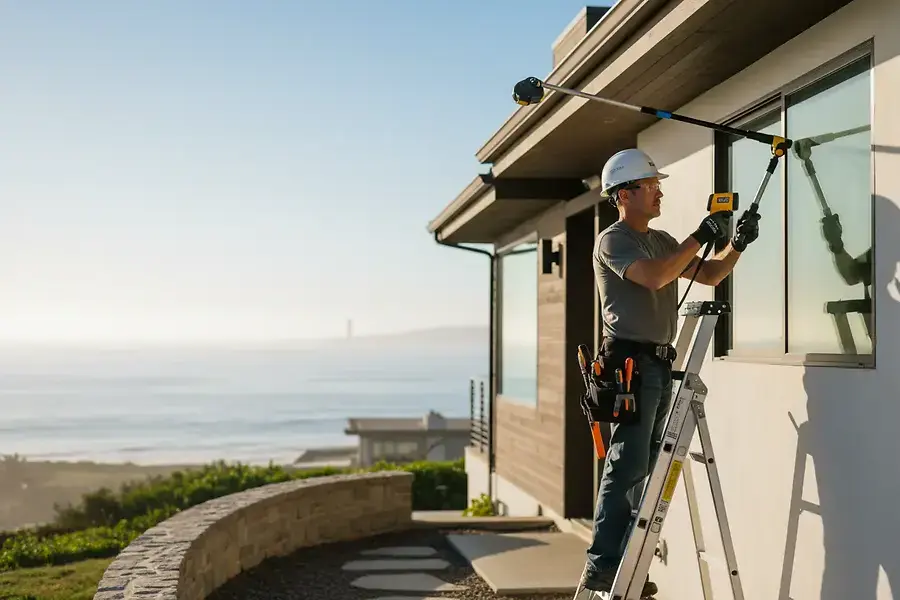
Why Home Inspections Matter in Long Beach's Real Estate Market
Purchasing a home is one of the most significant financial decisions you'll make, and in Long Beach's competitive real estate market, a thorough home inspection is your best defense against costly surprises. The coastal climate, salt air, and unique environmental factors that characterize Long Beach properties require special attention during the inspection process.
A professional home inspection provides an objective assessment of a property's condition, identifying potential issues before you commit to the purchase. This detailed evaluation protects your investment and gives you the information needed to negotiate repairs, credits, or price adjustments with confidence.
Key Areas Professional Inspectors Evaluate in Coastal Properties
Structural Integrity and Foundation
Long Beach's coastal location means properties face unique structural challenges. Inspectors carefully examine the foundation for cracks, settling, or water damage. They assess the structural framing, looking for signs of wood rot, termite damage, or moisture intrusion—all common concerns in coastal environments where salt air and humidity accelerate deterioration.
Roofing and Weather Protection
The roof is your home's first line of defense against the elements. Professional inspectors evaluate:
- Shingle condition and remaining lifespan
- Flashing integrity around chimneys and vents
- Gutter systems and proper water drainage
- Signs of leaks or water stains in attic spaces
In Long Beach, where coastal weather can be unpredictable, a well-maintained roof is essential for protecting your investment.
Plumbing Systems
Inspectors test all plumbing fixtures and examine water pressure, drainage, and pipe materials. They look for:
- Corrosion or mineral buildup in pipes
- Water heater age and condition
- Proper venting and drainage slopes
- Signs of previous leaks or water damage
Older Long Beach homes may have outdated plumbing materials that require replacement or upgrades.
Electrical Systems
A comprehensive electrical inspection ensures safety and code compliance. Inspectors evaluate the main panel, wiring, outlets, and grounding systems. They identify potential hazards such as outdated wiring, insufficient capacity for modern appliances, or improper grounding—issues that could pose fire risks or require expensive upgrades.
HVAC and Climate Control
Heating and cooling systems are tested for proper operation and efficiency. Inspectors assess:
- Age and condition of furnaces and air conditioning units
- Ductwork integrity and proper insulation
- Thermostat functionality
- Filter accessibility and maintenance requirements
Moisture and Mold Concerns
Long Beach's coastal humidity creates an environment where moisture and mold can thrive. Professional inspectors conduct detailed assessments of:
- Basement and crawl space conditions
- Attic ventilation and moisture levels
- Visible mold or mildew growth
- Water intrusion points and drainage issues
Early detection of moisture problems can save thousands in remediation costs.
Windows, Doors, and Exterior
Inspectors examine all windows and doors for proper sealing, operation, and weather resistance. They assess the exterior walls, siding, paint condition, and landscaping drainage to ensure water is properly directed away from the foundation.
Understanding Inspection Reports and Red Flags to Address
Interpreting Your Inspection Report
A professional inspection report is typically organized by system and includes photographs, descriptions of findings, and recommendations. Reports usually categorize issues as:
- Safety Hazards: Immediate concerns requiring urgent attention
- Major Repairs: Significant issues affecting home value or functionality
- Minor Repairs: Small maintenance items or cosmetic concerns
- Recommendations: Suggested improvements or monitoring
Critical Red Flags in Long Beach Properties
Foundation Problems: Cracks wider than 1/4 inch, bowing walls, or uneven floors indicate serious structural issues that require professional engineering assessment and can be extremely costly to repair.
Roof Damage: Missing shingles, significant wear, or leaks suggest the roof may need replacement soon. In Long Beach's coastal climate, roof replacement is a major expense that should factor into your offer.
Water Intrusion: Stains, soft spots, or mold growth indicate active or past water problems. These issues can lead to extensive damage and health concerns if not properly addressed.
Outdated Electrical Systems: Aluminum wiring, cloth-insulated wiring, or inadequate panel capacity pose safety risks and may require complete system upgrades.
Plumbing Issues: Corroded pipes, low water pressure, or sewage backup problems can be expensive to remedy and may indicate the need for re-piping.
Pest Damage: Evidence of termites, wood-boring beetles, or rodents requires immediate professional treatment and assessment of structural damage.
Negotiating After Inspection
Once you receive the inspection report, you have several options: request repairs be completed before closing, ask for credits to handle repairs yourself, negotiate a price reduction, or walk away if issues are too severe. In Long Beach's market, inspection contingencies give you leverage to address legitimate concerns before finalizing your purchase.
Using Inspection Results to Make Confident Offers
A thorough home inspection transforms you from a passive buyer into an informed decision-maker. Armed with detailed knowledge of a property's condition, you can make strategic offers that reflect the true value and potential costs of ownership.
Don't skip the inspection to appear more competitive. In Long Beach's real estate market, the inspection contingency is your protection. Use it wisely to identify issues, negotiate fairly, and ensure you're making a sound investment.
Whether you're a first-time buyer or an experienced investor, understanding what inspectors evaluate and how to interpret their findings is essential for protecting your Long Beach real estate investment. Take the time to review reports thoroughly, ask questions, and consult with specialists when needed. Your future self will thank you for the diligence invested today.


