Essential Home Inspection Guide for Long Island and NYC Homebuyers
Discover what to look for during inspections to protect your investment and avoid costly surprises.
Why Home Inspections Matter: Protecting Your Investment
Purchasing a home is one of the most significant financial decisions you'll make in your lifetime. In competitive markets like Long Island and New York City, the pressure to move quickly can be overwhelming. However, skipping or rushing through a home inspection is a mistake that could cost you thousands of dollars in unexpected repairs and renovations.
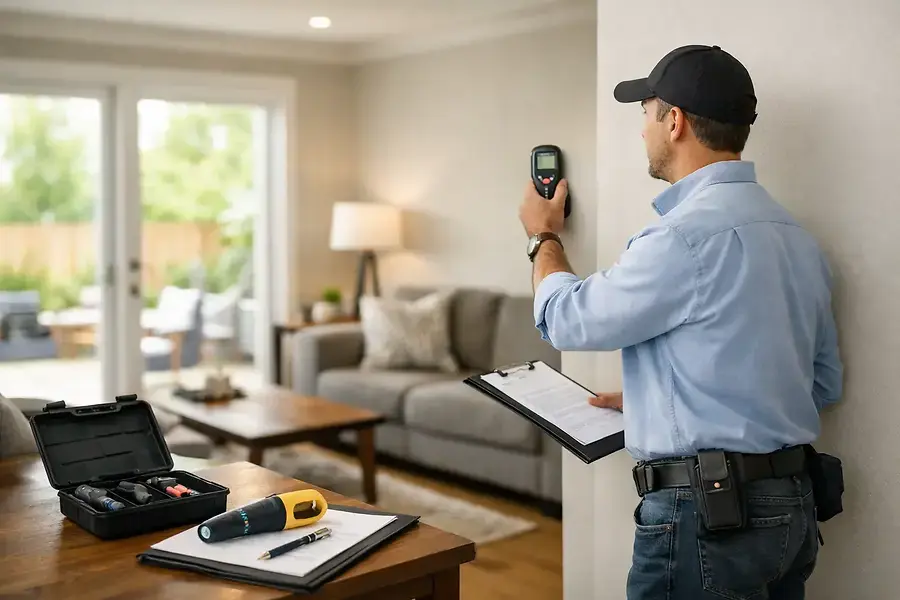
A professional home inspection provides an objective assessment of a property's condition, identifying potential issues before you commit to the purchase. This crucial step protects your investment by:
- Uncovering hidden structural problems and safety hazards
- Revealing the true condition of major systems like plumbing, electrical, and HVAC
- Providing documentation for insurance and warranty purposes
- Giving you leverage to negotiate repairs or price reductions
- Preventing costly surprises after closing
In the Long Island and NYC real estate markets, where properties range from historic brownstones to modern condos, inspections are essential for understanding what you're actually buying.
Key Areas Inspectors Examine in Long Island and NYC Properties
Structural Integrity and Foundation
Inspectors will assess the foundation, walls, and overall structural soundness of the property. In older NYC buildings and Long Island homes, foundation issues are common and can be expensive to repair. Look for signs of settling, cracks, or water damage that might indicate structural concerns.
Roof and Exterior
The roof is your home's first line of defense against the elements. Inspectors examine roofing materials, flashing, gutters, and downspouts. They'll assess the roof's age and remaining lifespan, which is critical information for budgeting future replacements. Exterior walls, windows, and doors are also evaluated for weatherproofing and damage.
Plumbing Systems
Water damage is a major concern in both Long Island and NYC properties. Inspectors test water pressure, check for leaks, examine pipes for corrosion, and assess the water heater's condition. Older homes may have outdated plumbing that requires updating, which can be a significant expense.
Electrical Systems
A thorough electrical inspection checks the panel, wiring, outlets, and switches for safety and code compliance. Outdated electrical systems in older properties may not meet current standards and could pose fire hazards. This is especially important in historic NYC apartments and Long Island homes.
HVAC and Climate Control
Inspectors evaluate heating, ventilation, and air conditioning systems for proper operation and maintenance. They'll assess the age of equipment and estimate remaining useful life. In the NYC area, where winters are harsh, a reliable heating system is essential.
Interior Conditions
The inspection includes checking walls, ceilings, floors, and doors for damage. Inspectors look for signs of water intrusion, mold, pest damage, and other issues that could affect your health and safety. They'll also examine appliances that are included in the sale.
Understanding Your Inspection Report and Negotiating Repairs
Decoding the Report
Your inspection report will categorize findings as major, minor, or informational. Major issues require immediate attention and can significantly impact your offer. Minor issues are typically cosmetic or involve routine maintenance. Understanding this hierarchy helps you prioritize concerns and budget accordingly.
The report should include:
- Detailed descriptions of each finding
- Photographs documenting issues
- Recommendations for repairs or further evaluation
- Estimated costs for addressing problems
- Safety concerns that need immediate attention
Negotiation Strategies
Once you have the inspection report, you have several options:
- Request repairs: Ask the seller to fix major issues before closing
- Negotiate credits: Request a price reduction to cover repair costs yourself
- Walk away: If issues are too severe or costly, you can terminate the contract
- Compromise: Negotiate which repairs the seller will handle and which you'll address
In the competitive Long Island and NYC markets, sellers may be reluctant to make repairs. However, major structural or safety issues give you legitimate negotiating power.
Document everything in writing and work with your real estate agent to present requests professionally and reasonably.
Getting Professional Estimates
For significant issues, consider obtaining independent estimates from licensed contractors. This gives you concrete numbers to support your negotiation requests and helps you understand the true cost of repairs.
Final Steps: Using Inspection Results to Make Confident Offers
Making an Informed Decision
The inspection report is your roadmap to making a confident purchasing decision. Review the findings carefully and consider:
- The total cost of addressing all issues
- Your budget for repairs and renovations
- The property's long-term value and potential
- Your timeline for addressing necessary repairs
- Whether the property still meets your needs and expectations
Working with Your Real Estate Team
Your real estate agent and inspector are valuable resources during this process. They can help you understand the significance of findings, provide market context, and develop negotiation strategies. Don't hesitate to ask questions or request clarification on any aspect of the inspection report.
Moving Forward with Confidence
A thorough home inspection transforms you from a passive buyer into an informed decision-maker. Whether you're purchasing a historic brownstone in Brooklyn, a modern condo in Manhattan, or a suburban home on Long Island, understanding the property's true condition empowers you to negotiate effectively and invest wisely.
Remember: the inspection period is your opportunity to uncover issues and make adjustments to your offer. Use this time strategically to protect your investment and ensure you're making the right choice for your future.