Essential Home Inspection Guide for Longmont Residential Buyers
What you need to know before making an offer on a residential property in Longmont.

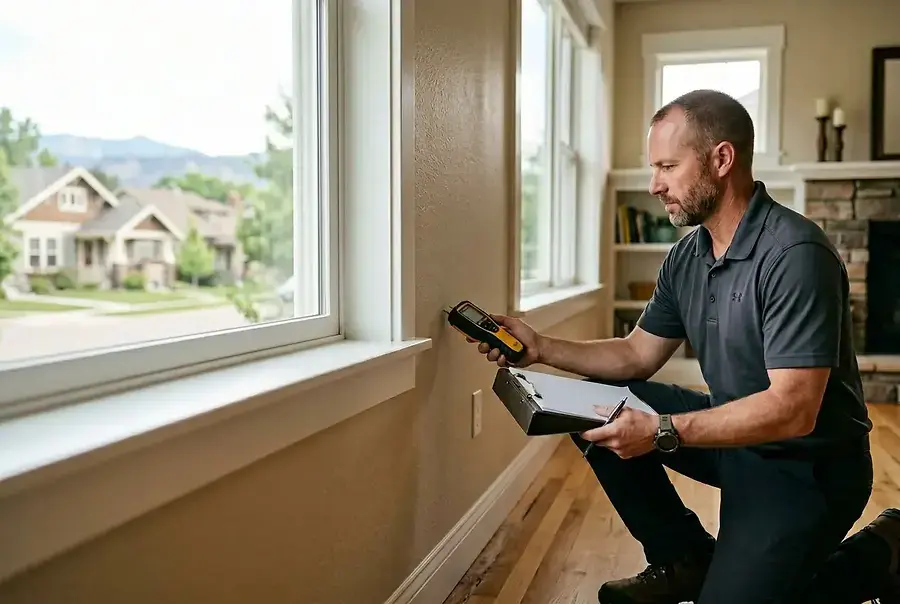
Understanding the Home Inspection Process
A home inspection is one of the most critical steps in the residential buying process. It's a thorough examination of a property's structural integrity, systems, and overall condition. For Longmont buyers, understanding what happens during this process can help you make informed decisions and avoid costly surprises down the road.
During a typical home inspection, a licensed inspector will examine:
- Structural components - Foundation, walls, roof, and framing
- Electrical systems - Wiring, panels, and outlets
- Plumbing systems - Pipes, fixtures, and water pressure
- HVAC systems - Heating, cooling, and ventilation
- Appliances - Built-in appliances and their functionality
- Insulation and ventilation - Energy efficiency and moisture control
The inspection typically takes 2-3 hours and costs between $300-$500 in the Longmont area. It's worth every penny as it provides a detailed report that can protect your investment and give you peace of mind.
Common Issues Found in Longmont Homes and How to Address Them
Foundation and Structural Concerns
Longmont's unique climate and soil composition can lead to foundation issues. Expansive clay soils are common in the area and can cause foundation settling or cracking. Look for signs of foundation problems such as cracks in walls, uneven floors, or doors that don't close properly.
Roof and Weather Damage
Colorado's intense sun and occasional hail storms can take a toll on roofing materials. Inspect for missing shingles, curling, or granule loss. Many Longmont homes may need roof replacement or repairs, which is a significant expense to budget for.
Water Intrusion and Moisture Issues
Despite Colorado's dry climate, water intrusion remains a common problem. Check for:
- Basement moisture or standing water
- Mold or mildew in crawl spaces
- Poor drainage around the foundation
- Damaged gutters and downspouts
HVAC System Age and Efficiency
Many Longmont homes have aging heating and cooling systems. A well-maintained HVAC system should last 15-20 years. If the system is nearing the end of its lifespan, budget for replacement costs, which can range from $5,000-$10,000.
Electrical System Updates
Older homes may have outdated electrical panels or insufficient capacity for modern appliances. Ensure the home has adequate grounding and that the electrical system meets current safety codes.
Negotiating Repairs and Inspections: Protecting Your Investment
Understanding Your Inspection Report
Once you receive the inspection report, take time to review it carefully. The report will categorize issues by severity - from minor cosmetic concerns to major structural problems. Focus on significant issues that affect safety, functionality, or value.
Negotiation Strategies
After reviewing the inspection, you have several options:
- Request repairs - Ask the seller to fix major issues before closing
- Request credits - Negotiate a price reduction to cover repair costs yourself
- Request inspections - Ask for specialized inspections (radon, mold, termites) if concerns arise
- Walk away - If issues are too significant, you may choose to terminate the contract
In Longmont's competitive market, be strategic about which issues you negotiate. Sellers are more likely to address major safety concerns than minor cosmetic issues.
Remember: You have the most leverage during the inspection period, so use it wisely to protect your investment.
Getting Second Opinions
For major issues like foundation problems or roof damage, consider hiring a specialist for a detailed assessment. This additional cost is minimal compared to the potential expense of major repairs.
Making Your Final Decision with Confidence
Weighing the Pros and Cons
After the inspection, create a comprehensive list of all identified issues and their estimated repair costs. Compare this against the property's price, location, and your long-term goals. Ask yourself:
- Are the repairs within my budget?
- Is this property still a good value after accounting for repairs?
- Can I live with the remaining issues?
- Does the location justify the additional costs?
Trust Your Inspector and Your Instincts
Your home inspector is a valuable resource. Don't hesitate to ask questions about findings or recommendations. Additionally, trust your gut feeling about the property. If something feels off or you're uncomfortable with the number of issues, it's okay to walk away.
Plan for Future Maintenance
Even if a home passes inspection with flying colors, budget for regular maintenance. Set aside funds for:
- Annual HVAC servicing
- Roof inspections and maintenance
- Gutter cleaning and repairs
- Foundation monitoring
- Plumbing and electrical updates
A home inspection is your opportunity to make an informed decision about one of the largest purchases of your life. By understanding the process, recognizing common Longmont issues, negotiating effectively, and planning ahead, you'll be well-equipped to move forward with confidence. Take your time, ask questions, and don't rush the process. The right home is worth the effort.