Essential Home Inspection Guide for Malakoff Residential Buyers
Protect your investment by mastering what to look for during the home inspection process in Malakoff.

Why Home Inspections Matter: Safeguarding Your Malakoff Investment
Purchasing a home is one of the most significant financial decisions you'll make in your lifetime. In Malakoff, where the real estate market continues to grow, a professional home inspection is not just a formality—it's your first line of defense against costly surprises. A thorough inspection can reveal hidden issues that could cost thousands of dollars to repair after closing.
Home inspections provide you with detailed knowledge about the property's condition, allowing you to negotiate repairs, request credits, or make an informed decision about whether to proceed with the purchase. Without this critical step, you could inherit structural problems, electrical hazards, plumbing issues, or other defects that weren't immediately visible during your initial walkthrough.
The Value of Professional Expertise
Certified home inspectors bring years of training and experience to evaluate properties systematically. They understand local building codes, common issues in Malakoff homes, and what constitutes normal wear versus serious problems. Their objective assessment protects you from emotional decision-making and ensures you have all the facts before signing on the dotted line.
Key Areas Inspectors Evaluate in Residential Properties
A comprehensive home inspection covers multiple systems and structural components. Understanding what inspectors examine helps you ask better questions and recognize the importance of their findings.
Structural Integrity and Foundation
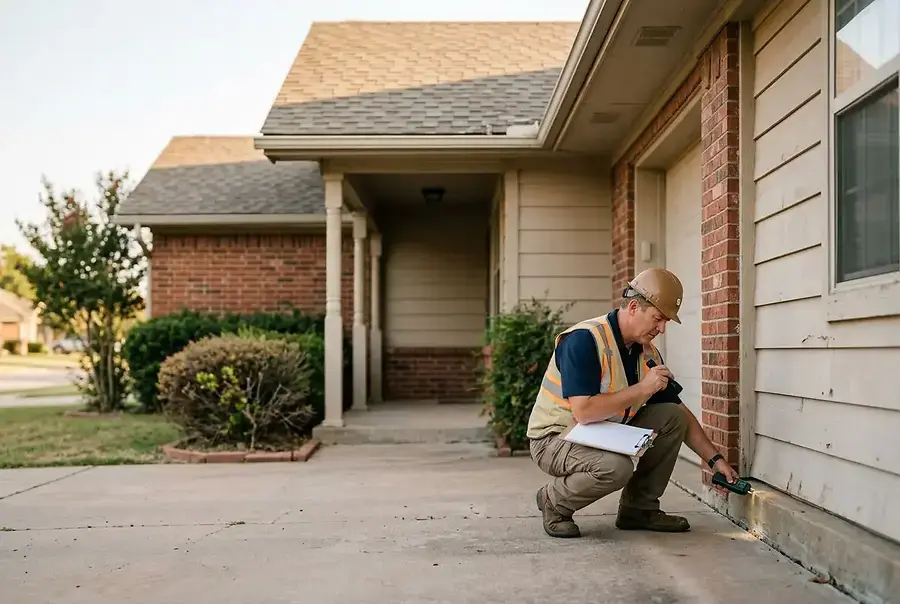
Inspectors examine the foundation for cracks, settling, or water damage. They assess the structural framing, roof condition, and overall stability of the home. Foundation issues are particularly serious and can be extremely expensive to repair, making this evaluation crucial for Malakoff buyers.
Roofing and Exterior
The roof protects everything beneath it, so inspectors evaluate:
- Shingle condition and remaining lifespan
- Flashing around chimneys and vents
- Gutters and downspouts
- Exterior walls and siding
- Windows and doors
- Grading and drainage around the property
Plumbing Systems
Inspectors test water pressure, check for leaks, evaluate pipe materials, and assess the water heater's condition. They look for signs of previous water damage and verify that the septic or sewer system functions properly. Plumbing repairs can quickly become expensive, making this evaluation essential.
Electrical Systems
A thorough electrical inspection includes checking the panel, circuit breakers, outlets, and wiring. Inspectors verify that the system meets current safety standards and can handle the home's electrical demands. Outdated or faulty electrical systems pose serious safety risks.
HVAC and Climate Control
Heating, ventilation, and air conditioning systems are evaluated for proper operation, age, and maintenance history. Inspectors assess whether these systems will need replacement soon, which helps you budget for future expenses.
Interior Components
Inspectors examine:
- Walls, ceilings, and floors for damage or moisture
- Doors and windows for proper operation
- Insulation and ventilation
- Appliances included in the sale
- Basement or crawl space conditions
Red Flags and How to Respond to Inspection Findings
Not every issue discovered during an inspection is a deal-breaker, but certain findings warrant serious attention and action.
Major Red Flags
Foundation problems such as significant cracks, bowing walls, or evidence of settling are serious concerns that require professional structural assessment. Roof damage or a roof nearing the end of its lifespan may require immediate replacement. Electrical hazards like outdated wiring, improper grounding, or overloaded circuits pose safety risks. Plumbing issues including burst pipes, severe corrosion, or failed septic systems need urgent attention.
How to Respond
When inspectors identify issues, you have several options:
- Request repairs: Ask the seller to fix problems before closing
- Negotiate credits: Request a credit toward closing costs to handle repairs yourself
- Renegotiate price: Adjust the purchase price to reflect necessary repairs
- Walk away: If issues are too severe or costly, you may choose not to proceed
Always obtain quotes from licensed contractors for major repairs before negotiating. This gives you concrete numbers to work with and demonstrates that your requests are reasonable.
Minor Issues
Not everything requires action. Minor wear, small cosmetic issues, or items nearing the end of their normal lifespan are often considered normal for homes. Your inspector can help you distinguish between minor maintenance and serious problems.
Moving Forward: Using Inspection Results in Your Malakoff Purchase
The inspection report is a powerful negotiating tool and a roadmap for your future homeownership.
Review the Report Thoroughly
Take time to understand every finding. Ask your inspector to explain anything unclear. Request photos or additional documentation for significant issues. This report becomes part of your home's history and can be valuable for future sales or insurance purposes.
Prioritize Your Concerns
Not all issues carry equal weight. Safety concerns and structural problems should take priority over cosmetic issues. Work with your real estate agent to determine which findings are worth negotiating and which are acceptable.
Plan for Future Maintenance
Even if the home passes inspection, use the report to plan maintenance. If the roof has 5-7 years of life remaining, budget for replacement. If the HVAC system is aging, plan for eventual replacement. This proactive approach prevents surprises down the road.
Protect Your Investment
Once you close on your Malakoff home, maintain it properly based on the inspection findings. Regular maintenance extends the life of major systems and prevents small issues from becoming expensive problems. Keep records of all repairs and maintenance for future reference.
A home inspection is your opportunity to make an informed decision about one of life's biggest purchases. By understanding what inspectors evaluate, recognizing red flags, and using inspection results strategically, you protect your investment and ensure your Malakoff home is a sound financial decision for years to come.