Essential Home Inspection Guide for Maryland, DC, and Virginia Buyers
Learn what professional inspectors look for and how to protect your investment in the DMV.

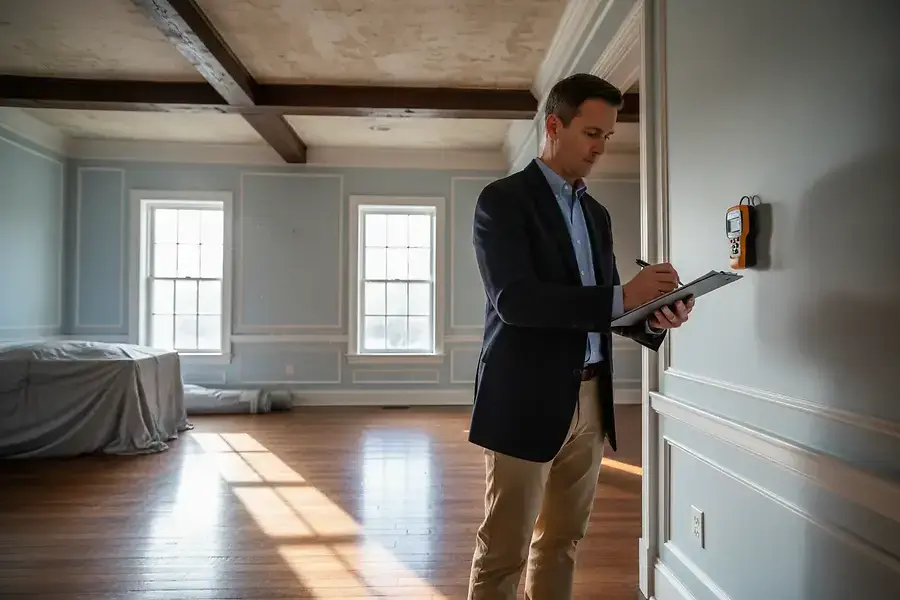
Why Home Inspections Matter in the DMV Market
Purchasing a home is one of the most significant financial decisions you'll make, and in the competitive DMV market—Maryland, DC, and Virginia—it's crucial to understand exactly what you're buying. A professional home inspection is your opportunity to uncover potential issues before you commit to the purchase. Many homes in this region were built decades ago, and older properties often come with unique challenges that require expert evaluation.
Home inspections provide you with a detailed report of a property's condition, from the foundation to the roof. This knowledge empowers you to negotiate repairs, request credits, or make an informed decision about whether to proceed with the purchase. In the DMV, where housing prices remain competitive, a thorough inspection can save you thousands of dollars in unexpected repairs down the road.
Key Areas Inspectors Evaluate in Older DMV Homes
Foundation and Structural Integrity
DMV homes, particularly those built in the mid-20th century, often have foundation concerns. Inspectors look for cracks in the foundation, settling issues, and water intrusion. The region's clay-heavy soil and seasonal moisture changes can cause foundations to shift over time. A thorough inspection will assess whether these issues are cosmetic or structurally significant.
Roofing and Water Damage
The DMV's humid climate and frequent weather changes make roofing a critical concern. Inspectors evaluate:
- Roof age and remaining lifespan
- Signs of leaks or water stains in attics and ceilings
- Proper ventilation and insulation
- Condition of gutters and downspouts
Water damage is one of the most expensive issues to repair, so inspectors pay special attention to any evidence of moisture problems.
HVAC Systems
Heating and cooling systems in older homes may be outdated and inefficient. Inspectors test furnaces, air conditioning units, and heat pumps to ensure they're functioning properly. They also check for proper ductwork, thermostat operation, and overall system age. In the DMV, where winters can be cold and summers humid, a reliable HVAC system is essential.
Electrical Systems
Older homes may have outdated electrical systems that don't meet current safety standards. Inspectors look for:
- Outdated wiring or knob-and-tube electrical systems
- Adequate grounding and circuit breaker capacity
- Signs of overloaded circuits or fire hazards
- GFCI outlets in bathrooms and kitchens
Upgrading electrical systems can be costly, so identifying these issues early is important.
Plumbing and Water Quality
DMV homes built before the 1980s may have galvanized or lead pipes, which can affect water quality and require replacement. Inspectors test water pressure, check for leaks, and assess the condition of pipes, water heaters, and septic systems if applicable. They also look for signs of corrosion or mineral buildup.
Pest and Moisture Issues
Termites, carpenter ants, and other pests are common concerns in the DMV region. Inspectors examine wood structures for signs of infestation and damage. They also assess moisture levels in basements and crawl spaces, as the region's humidity can lead to mold growth and structural damage.
Red Flags and How to Respond to Inspection Reports
Understanding the Report
A professional inspection report will categorize findings into different severity levels. Major issues require immediate attention and can significantly impact your decision. Minor issues are typically cosmetic or easily fixable. Understanding these distinctions helps you prioritize your concerns.
Common Red Flags in DMV Homes
Watch for these warning signs:
- Foundation cracks or settling – Can indicate serious structural problems
- Roof leaks or water stains – May suggest extensive water damage
- Outdated electrical systems – Pose safety and fire hazards
- Lead paint or asbestos – Health hazards in homes built before the 1980s
- Mold or moisture damage – Can worsen over time and affect health
- Pest infestation evidence – Requires professional treatment
Negotiating After the Inspection
Once you receive the inspection report, you have several options. You can request the seller make repairs, ask for a credit toward closing costs, or negotiate a lower purchase price. In the competitive DMV market, sellers may be reluctant to make major repairs, so be prepared to walk away if critical issues aren't addressed to your satisfaction.
For minor issues, it's often better to accept them and plan for repairs yourself. This approach can make your offer more attractive to sellers while keeping your negotiating power for significant concerns.
Getting a Second Opinion
If the inspection report reveals major issues, consider hiring a specialist. For example, a structural engineer can assess foundation problems, or a licensed electrician can evaluate electrical systems. These additional evaluations provide peace of mind and strengthen your negotiating position.
Pro Tip: Always attend the home inspection if possible. Walking through the property with the inspector allows you to ask questions and understand the issues firsthand.
Making Informed Decisions with Inspection Data
A home inspection is an investment in your future. The cost of a professional inspection—typically $300 to $500 in the DMV—is minimal compared to the potential savings from identifying major issues. Use the inspection report as a tool to make an informed decision about your purchase.
Remember that no home is perfect, especially in the DMV where many properties have character and history. The goal isn't to find a flawless home but to understand what you're buying and plan accordingly. With a thorough inspection and careful consideration of the findings, you can confidently move forward with your home purchase and protect your investment for years to come.
Whether you're a first-time buyer or an experienced investor, prioritizing a professional home inspection is one of the smartest decisions you can make in the DMV real estate market.