Essential Home Inspection Guide for Melbourne, FL Home Buyers
Discover what to look for during a home inspection to protect your investment in Florida's coastal real estate market.

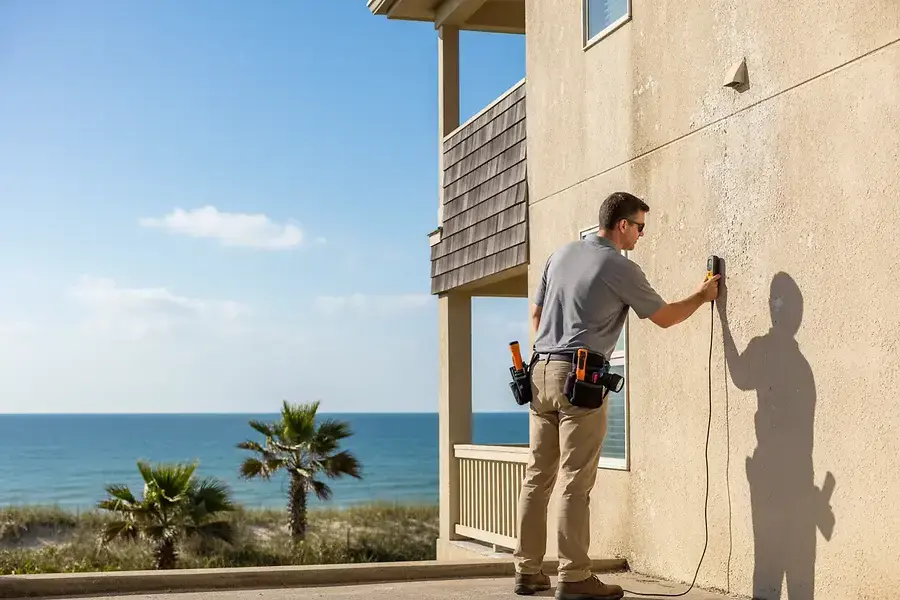
Understanding the Home Inspection Process in Melbourne, FL
A home inspection is one of the most critical steps in the home-buying process, especially in Melbourne's unique coastal environment. This comprehensive evaluation typically lasts two to three hours and involves a licensed inspector examining the property's structural integrity, mechanical systems, and overall condition.
In Melbourne, FL, inspectors will evaluate several key areas:
- Foundation and structural components – Critical in an area prone to moisture and salt air exposure
- Roofing systems – Essential given Florida's hurricane season and intense sun exposure
- HVAC systems – Vital for managing humidity and cooling costs
- Plumbing and electrical systems – Important for identifying corrosion issues common in coastal areas
- Windows and doors – Must withstand coastal weather conditions
- Pool and outdoor structures – If applicable to your property
As a buyer, you have the right to be present during the inspection. This is an excellent opportunity to ask questions and understand the property's condition firsthand.
Common Issues Found in Coastal Properties and How to Address Them
Salt Air Corrosion
One of the most prevalent issues in Melbourne's coastal properties is salt air corrosion. The salty ocean air accelerates deterioration of metal components, including air conditioning units, electrical fixtures, and metal roofing. Look for white or green oxidation on metal surfaces, which indicates corrosion has begun. Regular maintenance and protective coatings can help mitigate this issue.
Moisture and Mold Damage
Florida's humid climate creates ideal conditions for mold growth. Inspect attics, crawl spaces, and bathrooms carefully. Any musty odors or visible discoloration should raise concerns. Proper ventilation and moisture barriers are essential preventative measures.
Hurricane-Related Wear
Properties in Melbourne must withstand powerful storms. Check for:
- Roof damage or missing shingles
- Compromised window and door seals
- Gutter and drainage system integrity
- Foundation cracks or settling
These issues may require reinforcement or replacement to ensure your home meets current building codes.
Plumbing Concerns
Older homes in Melbourne may have outdated plumbing systems susceptible to corrosion. Request a plumbing inspection to identify potential issues with water pressure, pipe materials, and water heater condition. Replacing corroded pipes can be expensive, so this is crucial information for negotiation.
Red Flags That Should Concern You as a Buyer
Structural Issues
Pay close attention to any signs of foundation problems, including:
- Cracks in walls or ceilings
- Doors and windows that don't close properly
- Uneven or sloping floors
- Water stains indicating past flooding
These issues can be expensive to repair and may indicate deeper problems.
Electrical System Problems
An outdated electrical panel, insufficient outlets, or evidence of amateur electrical work are serious concerns. Ensure the home has adequate electrical capacity for modern appliances and systems. Faulty wiring poses both safety and financial risks.
Roof Condition
The roof is your home's first line of defense against Florida's weather. If the inspector notes significant wear, missing shingles, or a roof nearing the end of its lifespan, budget for replacement costs. A new roof can cost $10,000 to $25,000 or more, depending on the size and materials.
HVAC System Age
Air conditioning systems typically last 10-15 years. If the system is older or showing signs of failure, factor replacement costs into your decision. In Florida's heat, a non-functional AC system is not just uncomfortable—it's a serious issue.
Pest Damage
Termites and other pests are common in Florida. Look for evidence of infestation, including wood damage, mud tubes, or droppings. Pest damage can compromise structural integrity and require expensive treatment and repairs.
Negotiating Repairs and Next Steps After Your Inspection
Review the Inspection Report Carefully
Take time to thoroughly review the inspector's report. Categorize issues by severity and cost. Focus on major structural, safety, and system issues rather than minor cosmetic concerns.
Get Repair Estimates
For significant issues, obtain written estimates from licensed contractors. This gives you concrete numbers for negotiation and helps you understand the true cost of repairs. Present these estimates to the seller when requesting repairs or credits.
Negotiation Strategies
You have several options after receiving the inspection report:
- Request repairs – Ask the seller to fix major issues before closing
- Request credits – Receive a credit toward closing costs to handle repairs yourself
- Request price reduction – Negotiate a lower purchase price to account for repairs
- Walk away – If issues are too severe or costly, you may have the right to terminate the contract
The key is being reasonable and focusing on legitimate concerns that affect safety, structural integrity, or significant financial impact.
Final Steps
Once negotiations are complete, ensure all agreed-upon repairs are completed before closing. Request a final walkthrough to verify that repairs were made satisfactorily. This protects your investment and ensures you're getting the property in the agreed-upon condition.
Consider hiring a specialized inspector for major systems like the roof, foundation, or pool if you have concerns. This additional investment can save you thousands in unexpected repairs after purchase.
A thorough home inspection is your best defense against costly surprises. In Melbourne's unique coastal environment, understanding what to look for and how to respond to findings is essential for protecting your real estate investment.


