Essential Home Inspection Guide for Residential Buyers
Learn what professional inspectors look for and how to protect your investment before closing on a residential property.

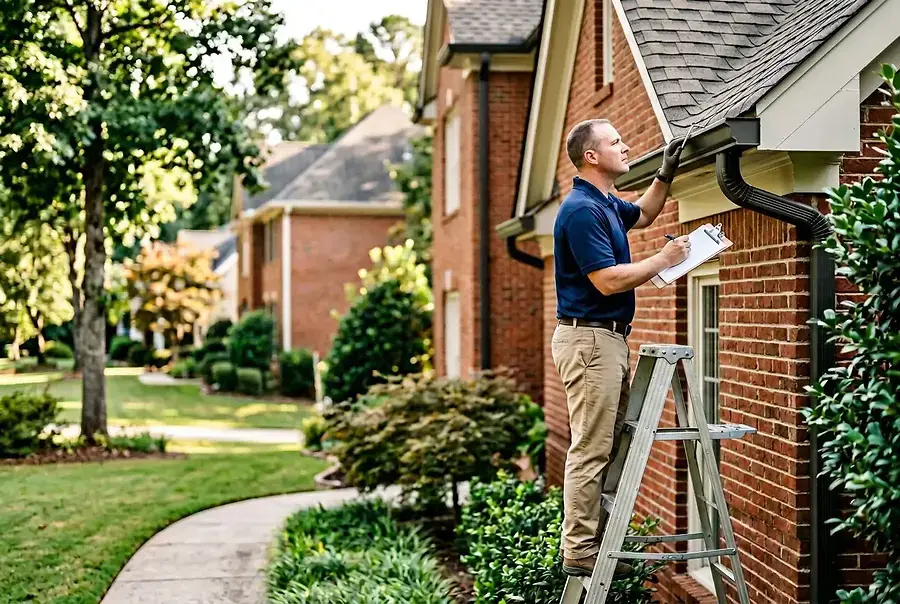
Why Home Inspections Matter in Residential Real Estate Markets
Purchasing a home is one of the most significant financial decisions you'll make in your lifetime. In today’s residential real estate markets, where properties range from historic residences to newly constructed developments, a professional home inspection is not just recommended—it’s essential. A thorough inspection provides buyers with a detailed understanding of a property’s condition and helps prevent costly surprises after closing.
Home inspections serve as protection against unforeseen structural issues, system failures, and safety hazards that may not be visible to the untrained eye. Whether purchasing in luxury urban districts, high-growth suburban communities, revitalizing city neighborhoods, or established residential areas, understanding what inspectors look for can help buyers negotiate effectively and make confident purchasing decisions.
What Professional Inspectors Examine: Structural, Systems, and Safety
Structural Components
Professional inspectors begin by evaluating the home’s foundation and overall structural integrity. They look for signs of settling, cracks, water damage, and pest activity that could compromise the building’s stability. Structural performance can vary depending on construction type, building age, and environmental exposure, making a careful review essential for buyers in any market.
Inspectors typically evaluate:
- Roof condition, including shingles, flashing, and gutters
- Exterior walls and siding for damage or deterioration
- Windows and doors for proper sealing and functionality
- Attic ventilation and insulation levels
Home Systems and Mechanical Components
A comprehensive inspection includes a detailed evaluation of the home’s major mechanical systems. These systems are essential to daily comfort, safety, and long-term maintenance planning.
HVAC System: Inspectors test heating and cooling efficiency, check for proper airflow, and assess the age and condition of equipment.
Electrical System: They verify proper grounding, check for outdated wiring, and confirm that the electrical panel can support modern household demand.
Plumbing: Inspectors test water pressure, check for leaks, examine pipe materials, and assess the condition of the water heater.
Appliances: Built-in appliances are typically tested for proper operation and safety.
Safety and Environmental Concerns
Professional inspections also include screening for potential health and environmental hazards that could affect a household’s safety and well-being. Depending on the age and construction of the property, inspectors may identify concerns such as mold growth, asbestos in older building materials, lead-based paint in pre-1978 homes, or elevated radon levels.
These environmental considerations vary by region but are important factors in evaluating the overall safety and livability of a property.
Red Flags to Watch For and How to Negotiate After Inspection Results
Common Red Flags in Residential Properties
Understanding the difference between normal wear and significant issues is crucial when reviewing an inspection report. Some findings simply reflect routine aging of systems, while others may require immediate attention or further evaluation.
Warning signs that may warrant additional investigation include:
- Water Damage: Stains on ceilings, walls, or lower-level spaces may indicate past or ongoing water intrusion.
- Foundation Cracks: Horizontal cracks or cracks wider than ¼ inch could signal structural concerns.
- Outdated Electrical Systems: Older wiring materials or electrical panels with limited capacity.
- Roof Age: Roofs approaching or exceeding their typical lifespan may require replacement soon.
- HVAC Equipment: Systems nearing the end of their expected service life may need upgrading.
- Plumbing Issues: Aging pipe materials, slow drainage, or inconsistent water pressure.
Negotiating After Inspection
Once buyers receive the inspection report, they have several options for moving forward. Inspection findings are common in residential transactions, and most issues can be addressed through strategic negotiation.
Request Repairs:
Buyers may ask the seller to repair significant safety concerns or major system failures before closing.
Request Credits:
In some cases, sellers may provide a credit toward closing costs, allowing buyers to complete repairs after purchase.
Renegotiate the Purchase Price:
Inspection findings can support price adjustments that reflect necessary improvements or system replacements.
Terminate the Contract:
If major structural or safety issues arise and the seller declines to negotiate, buyers may have the option to exit the agreement depending on their inspection contingency.
“A professional home inspection is your opportunity to make an informed decision. Don’t skip this critical step in the buying process.”
Working with Your Inspector
Selecting a qualified and experienced home inspector is an important part of the buying process. Look for professionals with recognized certifications, appropriate insurance coverage, and a reputation for providing thorough written reports.
Many inspectors also offer buyers the opportunity to attend the inspection or review findings on-site. This walkthrough can help buyers better understand the condition of the property, ask questions, and gain insight into future maintenance needs.
Making Informed Decisions with Inspection Reports
A home inspection report is valuable beyond the negotiation phase of the transaction. This document provides a detailed baseline of the property’s condition and can serve as a reference throughout homeownership.
Buyers can use the report to:
- Prioritize maintenance and repairs during the first year of ownership
- Plan and budget for future system replacements
- Maintain documentation for insurance and resale purposes
- Establish a long-term preventative maintenance schedule
In residential real estate markets, a comprehensive home inspection remains one of the most effective ways buyers can protect their investment. By understanding what inspectors evaluate, recognizing potential red flags, and negotiating strategically based on the findings, buyers can move forward with greater confidence.
Working with an experienced Luxury Real Estate Advisor ensures buyers receive informed guidance throughout every stage of the purchase process—from inspection to closing—while protecting both their financial interests and long-term real estate goals. As a Licensed Broker in Illinois, Georgia, Florida, Texas & Dubai, I help clients navigate residential purchases with strategic insight across multiple markets.


