Essential Home Inspection Guide for Metro Detroit Area Buyers
Protect your investment by learning what inspectors look for in Detroit-area homes.

Introduction: Why Home Inspections Matter in Metro Detroit's Diverse Housing Market
Buying a home is one of the most significant financial decisions you'll make, and in the Metro Detroit area, where the housing market features everything from historic Victorian homes to modern suburban properties, a thorough home inspection is absolutely essential. The diverse architectural styles and age ranges of homes in the region mean that potential issues can vary dramatically from one property to another.
A professional home inspection provides you with an objective assessment of a property's condition before you commit to your purchase. In Metro Detroit, where many homes were built decades ago, inspections become even more critical. They protect your investment, help you negotiate repairs or price adjustments, and give you peace of mind knowing exactly what you're buying.
Key Areas Inspectors Examine in Older Metro Detroit Homes
Foundation and Structural Integrity
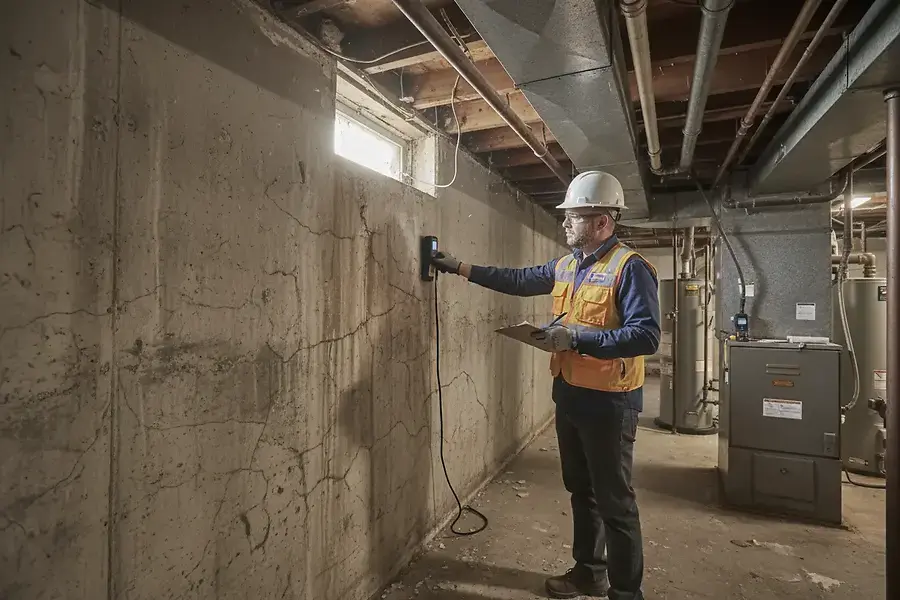
Metro Detroit's older homes often sit on foundations that have settled over time. Inspectors carefully examine foundations for cracks, water damage, and signs of shifting. They look for:
- Horizontal or vertical cracks in basement walls
- Water stains and moisture issues
- Bowing or leaning walls
- Gaps between walls and floors
Roofing and Weather Protection
Given Michigan's harsh winters and variable weather patterns, roof condition is paramount. Inspectors assess:
- Shingle age and condition
- Flashing integrity around chimneys and vents
- Gutter functionality and drainage
- Signs of leaks or water damage in attics
Plumbing Systems
Older Detroit homes frequently have aging plumbing that may include outdated materials. Inspectors check for:
- Galvanized or cast iron pipes that may be corroded
- Water pressure and flow rates
- Drain functionality
- Water heater age and condition
Electrical Systems
Many Metro Detroit homes still have outdated electrical systems. Inspectors evaluate:
- Panel capacity and condition
- Presence of aluminum wiring (a fire hazard)
- Grounding and bonding
- Outlet and switch functionality
HVAC and Insulation
Heating and cooling systems are critical in Michigan's climate. Inspectors examine furnace age, air conditioning functionality, ductwork condition, and insulation levels to ensure energy efficiency.
Common Issues Found in Detroit-Area Properties and How to Address Them
Basement Water Intrusion
The Issue: Michigan's heavy rainfall and snow melt often cause water to seep into basements, particularly in older homes with deteriorating foundations or inadequate drainage.
How to Address It: Solutions range from simple (cleaning gutters and downspouts) to complex (installing sump pumps, sealing cracks, or adding exterior drainage systems). Get quotes from multiple contractors and factor these costs into your offer negotiations.
Outdated Electrical Systems
The Issue: Homes built before the 1980s may have insufficient electrical capacity or dangerous aluminum wiring that poses fire risks.
How to Address It: Budget for panel upgrades or rewiring. This is not a DIY project—hire licensed electricians. Costs vary significantly, so get professional estimates before making an offer.
Aging Plumbing
The Issue: Galvanized pipes corrode over time, reducing water pressure and quality. Cast iron drains may collapse or back up.
How to Address It: Repiping is expensive but necessary for long-term reliability. Consider this a major investment when evaluating the property's true cost.
Roof Deterioration
The Issue: Michigan's freeze-thaw cycles and heavy snow loads accelerate roof aging. Many Metro Detroit homes need roof replacement sooner than national averages.
How to Address It: A new roof is a significant expense. If the inspection reveals a roof nearing the end of its life, request that the seller either replace it or provide a credit toward replacement.
Poor Insulation and Air Leaks
The Issue: Older homes often lack adequate insulation, leading to high heating and cooling costs—a major concern in Michigan's climate.
How to Address It: Adding insulation to attics is relatively affordable and improves energy efficiency significantly. Sealing air leaks around windows, doors, and penetrations also helps.
Asbestos and Lead Paint
The Issue: Homes built before the 1980s may contain asbestos in insulation, floor tiles, or roofing. Homes built before 1978 likely have lead paint.
How to Address It: Lead paint requires careful management but isn't necessarily a dealbreaker. Asbestos removal should only be done by certified professionals. Budget accordingly and understand the health implications.
Conclusion: Using Inspection Reports to Make Confident Offers in Your Target Neighborhood
A comprehensive home inspection report is your roadmap to making an informed purchase decision in the Metro Detroit area. Rather than viewing inspection findings as reasons to walk away, use them as negotiation tools and planning documents.
Here's how to leverage your inspection report:
- Prioritize Issues: Distinguish between cosmetic concerns and structural problems that affect safety and value
- Get Contractor Estimates: Obtain quotes for major repairs to understand true costs
- Negotiate Strategically: Request seller repairs, credits, or price reductions based on inspection findings
- Plan Your Budget: Identify which issues you'll address immediately and which can wait
- Understand the Market: Some issues are common in Metro Detroit homes and may be priced into the market already
Whether you're buying in Detroit's charming neighborhoods, the suburbs, or anywhere in between, a professional home inspection is your best defense against costly surprises. By understanding what inspectors look for and how to address common issues, you'll make confident offers and protect your investment for years to come.


