Essential Home Inspection Guide for Metro Detroit Home Buyers
Learn what to look for during inspections to make confident purchasing decisions across Oakland, Washtenaw, Livingston, and Wayne Counties.

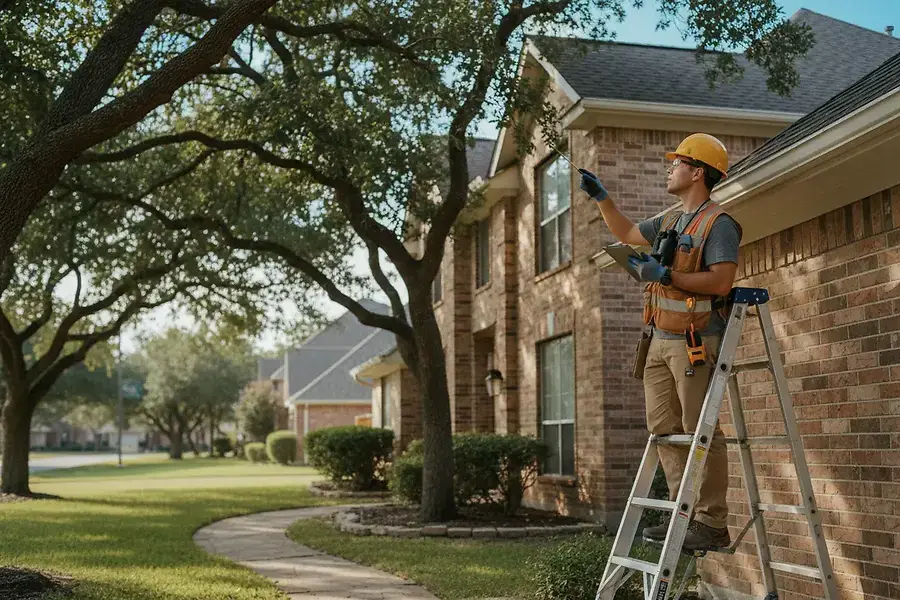
Why Home Inspections Matter in Southeast Michigan's Diverse Market
Purchasing a home is one of the most significant investments you'll make in your lifetime. In the Metro Detroit area—spanning Oakland, Washtenaw, Livingston, and Wayne Counties—the real estate market offers diverse properties ranging from historic Victorian homes to modern suburban developments. A thorough home inspection is your safeguard against costly surprises and hidden defects that could drain your finances after closing.
Home inspections provide an objective, professional assessment of a property's condition. Whether you're buying a charming century-old home in Ann Arbor or a newer construction in Livonia, an inspector's detailed report gives you the leverage to negotiate repairs, request credits, or make an informed decision about walking away from a problematic property.
Key Areas Inspectors Examine in Older and Newer Homes
Structural Integrity and Foundation
Inspectors begin by evaluating the foundation and overall structural soundness. They look for:
- Cracks in concrete or masonry that may indicate settling or water intrusion
- Moisture and water damage in basements and crawl spaces
- Proper grading around the foundation to ensure water drains away from the home
- Signs of pest damage or wood rot in structural components
Older homes in the region often have stone or brick foundations that require special attention, while newer homes may have poured concrete foundations that need assessment for proper waterproofing.
Roofing and Exterior Systems
The roof is your home's first line of defense against Michigan's variable weather. Inspectors examine:
- Shingle condition and age (typical lifespan is 15-25 years)
- Flashing around chimneys, vents, and skylights
- Gutters and downspouts for proper drainage
- Siding condition and potential water infiltration points
- Windows and doors for proper sealing and operation
Electrical and Plumbing Systems
These critical systems require careful evaluation:
- Electrical panel capacity and safety (outdated panels like Federal Pacific or Zinsco are red flags)
- Grounding and bonding of electrical systems
- Water pressure and flow throughout the home
- Pipe materials and condition (galvanized pipes in older homes may be corroded)
- Presence of knob-and-tube wiring in older properties
HVAC and Mechanical Systems
Heating and cooling systems are essential in Michigan's climate. Inspectors check:
- Age and condition of furnaces and air conditioning units
- Proper ventilation and carbon monoxide safety
- Ductwork integrity and insulation
- Thermostat functionality
Interior Components
A complete inspection includes evaluation of:
- Drywall and plaster for water damage or structural issues
- Flooring condition and potential hazards
- Doors and windows operation and seal integrity
- Insulation levels in attics and walls
- Appliances included in the sale
Regional Considerations: How Michigan Climate Affects Property Conditions
Winter Weather Challenges
Southeast Michigan's cold winters create specific inspection concerns. Ice dams can form on roofs, causing water backup into homes. Inspectors look for adequate attic ventilation and insulation to prevent this issue. Freeze-thaw cycles also damage concrete driveways, patios, and foundations, so inspectors assess these surfaces carefully.
Moisture and Humidity Issues
Michigan's humid summers and spring snowmelt create moisture challenges. Basements and crawl spaces are particularly vulnerable to water intrusion. Inspectors evaluate:
- Sump pump functionality and backup systems
- Proper grading and drainage around the property
- Basement waterproofing and sealing
- Dehumidification systems
Seasonal Pest Concerns
Michigan's climate attracts various pests. Inspectors look for evidence of termites, carpenter ants, and rodents that thrive in the region's conditions. Previous pest damage can compromise structural integrity, making this assessment critical.
Salt and De-icing Damage
Road salt used during winter months can accelerate corrosion of metal components, gutters, and exterior fixtures. Properties near major roads may show accelerated wear from salt exposure.
Using Inspection Results to Negotiate and Protect Your Investment
Once you receive the inspection report, you have several options:
- Request repairs from the seller for significant issues
- Negotiate credits to handle repairs yourself after closing
- Request a re-inspection of specific areas after repairs are completed
- Renegotiate the purchase price based on the property's true condition
- Walk away if major defects exceed your comfort level or budget
"A home inspection is not a deal-breaker—it's a deal-maker. It gives you the information needed to make a confident, informed decision about one of life's biggest purchases."
Don't skip the inspection to save money. The cost of a professional inspection (typically $300-$500 in the Metro Detroit area) is minimal compared to the potential cost of undiscovered problems. Whether you're buying in the urban neighborhoods of Detroit, the suburban communities of Oakland County, the college town of Ann Arbor in Washtenaw County, or the growing areas of Livingston County, a thorough inspection protects your investment and provides peace of mind.
By understanding what inspectors examine and how regional factors affect property conditions, you'll be better equipped to make confident purchasing decisions in Southeast Michigan's diverse real estate market.