Essential Home Inspection Guide for Miami and South Florida Buyers
What residential buyers and sellers need to know before closing in Miami and South Florida.

Why Home Inspections Matter in South Florida's Climate
South Florida's unique climate presents distinct challenges for homeowners. The combination of intense heat, humidity, salt air, and hurricane seasons creates an environment where homes face accelerated wear and tear compared to other regions. A thorough home inspection is not just a formality—it's a critical investment in your peace of mind and financial security.
The subtropical climate of Miami and South Florida can cause significant damage to properties over time. Moisture infiltration, mold growth, and corrosion are common issues that develop in this environment. Additionally, the threat of hurricanes means that structural integrity and roof condition are paramount concerns. An experienced inspector familiar with South Florida properties will know exactly what to look for and how these regional factors affect home value and safety.
What to Expect During a Residential Inspection in Miami
The Inspection Process
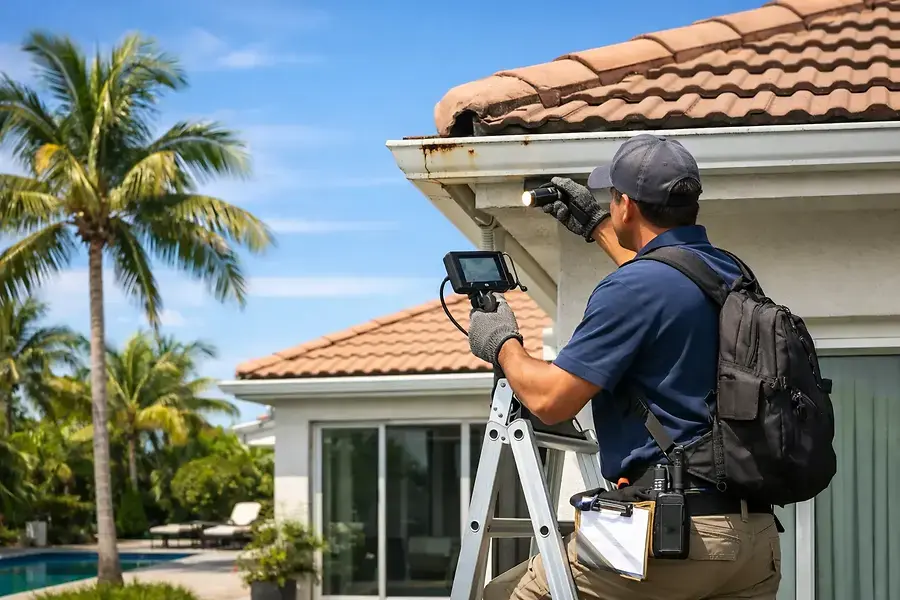
A standard home inspection in Miami typically lasts 2-4 hours, depending on the property's size and age. The inspector will examine both the interior and exterior of the home, checking everything from the foundation to the roof. You should always attend the inspection to ask questions and gain firsthand knowledge about your potential investment.
Key Areas Inspected
- Roof and Attic: Inspectors check for leaks, missing shingles, and proper ventilation—critical in South Florida's rainy climate
- Foundation and Structural Components: Cracks, settling, and water damage are assessed for long-term stability
- Plumbing Systems: Water pressure, drainage, and corrosion from salt air are evaluated
- Electrical Systems: Wiring, panel condition, and safety compliance are verified
- HVAC Systems: Air conditioning units are tested for proper operation and maintenance
- Windows and Doors: Seals, locks, and weather resistance are checked
- Pest and Mold Assessment: Signs of termites, roaches, and moisture-related mold are identified
The Inspection Report
After the inspection, you'll receive a detailed report documenting all findings. This report categorizes issues by severity—from minor cosmetic concerns to major structural problems requiring immediate attention. Take time to review this report carefully and ask your inspector to clarify any concerns.
Common Issues Found in South Florida Homes and How to Address Them
Water Damage and Moisture Intrusion
Water damage is the most prevalent issue in South Florida homes. Heavy rainfall, high humidity, and occasional flooding create perfect conditions for moisture problems. Look for signs of water stains on ceilings and walls, soft spots in flooring, and musty odors. Addressing water damage promptly prevents mold growth and structural deterioration.
Mold and Mildew
The warm, humid climate encourages mold growth. While some mold is cosmetic, extensive mold infestations require professional remediation. Ensure proper ventilation in bathrooms and kitchens, and consider installing a dehumidifier in problem areas. If significant mold is discovered, request that the seller address it before closing.
Roof Issues
South Florida's intense sun and frequent storms take a toll on roofs. Common problems include:
- Missing or damaged shingles
- Deteriorated flashing around vents and chimneys
- Inadequate drainage leading to pooling water
- Age-related wear (roofs typically last 15-20 years in this climate)
A roof replacement can be expensive, so this is a critical negotiation point. Request a professional roof inspection if the main inspection reveals concerns.
Corrosion and Salt Damage
Homes near the coast face accelerated corrosion from salt air. Metal components, including air conditioning units, gutters, and hardware, deteriorate faster. Regular maintenance and protective coatings can extend the life of these components.
Pest Infestations
Termites, cockroaches, and other pests thrive in South Florida's warm climate. A pest inspection should accompany your home inspection. Termite damage can be extensive and expensive to repair, so this is not an area to overlook.
HVAC System Strain
Air conditioning systems work overtime in South Florida. Older units may struggle to keep up with cooling demands, leading to higher energy bills. Verify that the HVAC system is properly maintained and sized for the home.
Using Inspection Reports to Negotiate Better Deals
Leverage Your Findings
A comprehensive inspection report is your most powerful negotiating tool. Use documented issues to request repairs, credits, or price reductions. Prioritize major issues—structural problems, roof damage, and significant water damage—over minor cosmetic concerns.
Negotiation Strategies
- Request Repairs: Ask the seller to fix major issues before closing
- Negotiate Credits: Request a credit toward repairs you'll handle yourself
- Price Reduction: Use inspection findings to justify a lower offer price
- Professional Estimates: Obtain quotes for major repairs to support your negotiations
When to Walk Away
Sometimes, inspection findings reveal problems too extensive or expensive to justify the purchase. Don't let emotions override logic. If repair costs approach or exceed the price difference between this home and comparable properties, it may be time to move on to another option.
Post-Inspection Steps
After negotiating repairs or credits, request a re-inspection before closing to verify that agreed-upon work was completed satisfactorily. This final check protects your investment and ensures you're getting what you paid for.
Pro Tip: Hire a licensed, experienced inspector familiar with South Florida properties. Their regional expertise is invaluable in identifying climate-specific issues that could affect your home's longevity and value.
Conclusion
A home inspection is an essential step in the buying process, particularly in Miami and South Florida where climate-related challenges are significant. By understanding what to expect, recognizing common regional issues, and using inspection findings strategically, you can make informed decisions and negotiate better deals. Whether you're a buyer protecting your investment or a seller preparing your home for sale, prioritizing a thorough inspection ensures a smoother transaction and greater confidence in your real estate decision.