Essential Home Inspection Guide for Middle Tennessee Property Buyers
Protect your investment with a comprehensive guide to inspecting residential properties across Coffee County and surrounding communities.

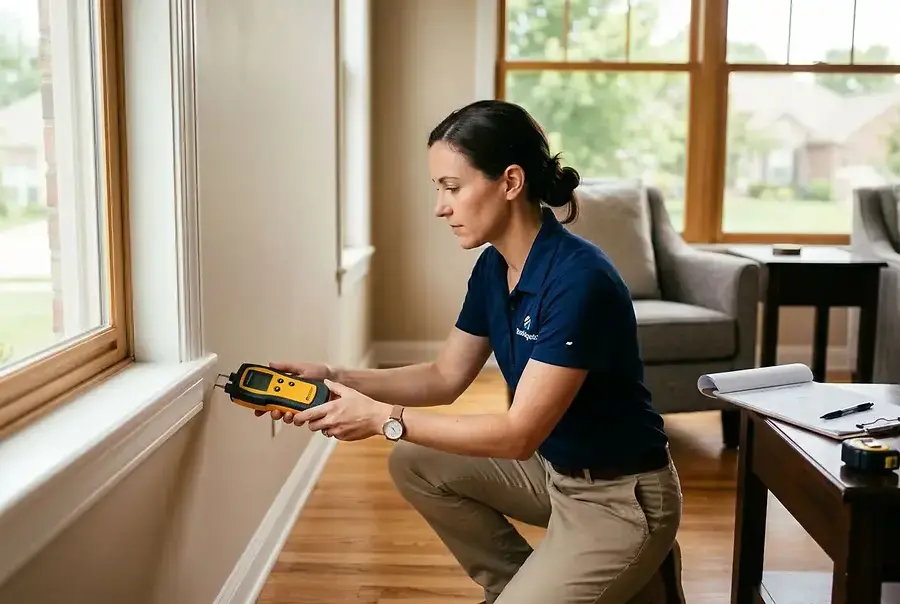
Understanding the Home Inspection Process and Why It Matters
Purchasing a home is one of the most significant financial decisions you'll make in your lifetime. In Middle Tennessee, particularly in Coffee County and surrounding communities, a professional home inspection is an essential step that protects your investment and provides peace of mind. A thorough home inspection typically takes 2-3 hours and involves a certified inspector examining the property's structural integrity, systems, and overall condition.
The home inspection process serves as your opportunity to uncover potential issues before you commit to the purchase. Unlike an appraisal, which determines the property's market value, an inspection focuses on identifying defects, safety concerns, and maintenance needs. This critical distinction means that even if a home appraises well, it may have underlying problems that could cost thousands to repair.
In Tennessee, home inspectors are not required to be licensed, but hiring a certified inspector through organizations like the American Society of Home Inspectors (ASHI) ensures you receive a professional evaluation. A quality inspection report becomes a valuable negotiating tool and helps you make an informed decision about your purchase.
Key Areas Inspectors Examine in Tennessee Homes
Structural Components
Inspectors begin by evaluating the home's foundation, walls, and roof. In Middle Tennessee, where weather patterns can be unpredictable, roof condition is particularly important. Inspectors look for missing shingles, signs of water damage, and proper ventilation. Foundation cracks, settling issues, and moisture intrusion are red flags that require immediate attention.
Electrical and Plumbing Systems
A comprehensive inspection includes testing electrical outlets, checking the circuit breaker panel, and ensuring proper grounding. Plumbing inspections involve examining water pressure, checking for leaks under sinks, inspecting water heaters, and testing drainage systems. In older Coffee County properties, outdated wiring or plumbing may need upgrading to meet current safety standards.
HVAC Systems
Heating, ventilation, and air conditioning systems are crucial in Tennessee's climate. Inspectors test furnaces, air conditioning units, and heat pumps to ensure they operate efficiently. They also check ductwork for leaks and proper insulation, which directly impacts your energy bills.
Interior and Exterior Conditions
The inspection covers walls, ceilings, floors, windows, doors, and exterior siding. Inspectors look for water stains, mold growth, pest damage, and structural deterioration. Proper grading around the foundation and functioning gutters are essential for preventing water damage in Tennessee's rainy climate.
Appliances and Safety Features
Built-in appliances are tested for proper operation. Safety features like smoke detectors, carbon monoxide detectors, and handrails are verified. Inspectors also check for proper ventilation in bathrooms and kitchens to prevent moisture accumulation.
Red Flags to Watch for During Your Property Walkthrough
Water Damage and Moisture Issues
Water damage is one of the most expensive problems to remediate. Look for water stains on ceilings and walls, soft spots in flooring, and musty odors that indicate mold. Basement moisture, efflorescence on foundation walls, and standing water are serious concerns in Middle Tennessee properties.
Roof and Attic Problems
Sagging rooflines, missing flashing, and deteriorated shingles suggest costly repairs ahead. During the attic inspection, watch for inadequate insulation, improper ventilation, and signs of pest infestation or previous water intrusion.
Outdated or Failing Systems
Electrical: Knob-and-tube wiring, aluminum wiring, or an overloaded circuit panel are safety hazards. Plumbing: Galvanized pipes, polybutylene pipes, or cast iron drain lines may need replacement. HVAC: Systems over 15-20 years old typically require replacement soon.
Foundation and Structural Concerns
Horizontal cracks wider than 1/4 inch, bowing walls, or uneven floors indicate serious structural problems. These issues are expensive to repair and may affect the home's insurability and resale value.
Pest and Pest Damage
Evidence of termites, carpenter ants, or rodents requires professional treatment. Wood damage from pests can compromise structural integrity and should be thoroughly evaluated by a pest control specialist.
Improper Ventilation and Insulation
Inadequate attic ventilation leads to premature roof deterioration and ice dams. Poor insulation results in high energy costs. Both issues are common in older Coffee County homes and should be addressed during renovation planning.
Using Inspection Results to Negotiate Better Offers and Closing Costs
Requesting Repairs or Credits
Once you receive the inspection report, you have several options. You can request that the seller repair identified issues before closing, provide a credit toward closing costs, or reduce the purchase price. In Middle Tennessee's competitive market, sellers may be more willing to negotiate on price than to make repairs themselves.
Prioritizing Issues
Not all inspection findings require negotiation. Distinguish between critical safety issues and cosmetic concerns. Critical issues include structural problems, electrical hazards, plumbing failures, and roof leaks. Minor issues like cosmetic damage or routine maintenance can often be addressed after purchase.
Getting Specialist Evaluations
For significant concerns identified in the inspection, consider hiring specialists. A structural engineer can assess foundation issues, a roofer can evaluate roof condition, and a pest control expert can confirm termite damage. These evaluations strengthen your negotiating position with concrete evidence.
Calculating Long-Term Costs
Use inspection findings to estimate future repair and replacement costs. If the roof needs replacement in 2-3 years, factor that $8,000-$15,000 expense into your offer. Understanding the true cost of ownership helps you make a realistic offer and plan your budget accordingly.
Walking Away When Necessary
Sometimes the inspection reveals problems so extensive that the property isn't worth pursuing. In Tennessee, most purchase agreements include an inspection contingency allowing you to withdraw without penalty if significant issues are discovered. Don't let emotions override practical judgment.
A comprehensive home inspection is your best defense against costly surprises after purchase. By understanding what inspectors examine, recognizing red flags, and using inspection results strategically, Middle Tennessee property buyers can make confident decisions and protect their investments for years to come.