Essential Home Inspection Guide for Minnesota West Metro Buyers
Learn what professional inspectors look for and how to protect your investment in Hennepin and Carver County homes.

Understanding the Home Inspection Process in Minnesota
Purchasing a home is one of the most significant investments you'll make in your lifetime. In the Minnesota West Metro area, including Hennepin and Carver County, a professional home inspection is a critical step in the buying process that can save you thousands of dollars in unexpected repairs.
A home inspection is a thorough examination of a property's physical structure and systems, conducted by a licensed professional inspector. In Minnesota, inspectors typically spend 2-4 hours examining a single-family home, documenting their findings in a detailed report. This inspection is your opportunity to understand the true condition of the property before closing.
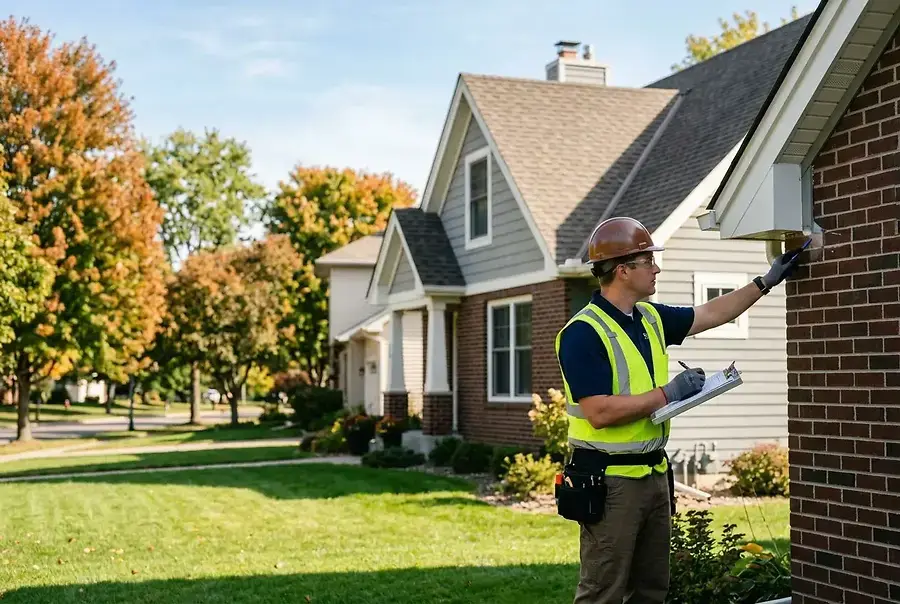
The inspection process begins with a visual examination of the home's exterior, including the roof, siding, foundation, and landscaping. The inspector then moves inside to evaluate the interior systems and structure. Most Minnesota home inspections are non-invasive, meaning inspectors won't remove walls or dig into the foundation, but they will use specialized tools to assess conditions that aren't immediately visible.
Why Inspections Matter in Minnesota's Climate
Minnesota's harsh winters and temperature fluctuations create unique challenges for homes. Inspectors pay special attention to issues like:
- Ice dam damage and roof deterioration
- Foundation cracks from freeze-thaw cycles
- Basement moisture and water intrusion
- HVAC system efficiency and maintenance
Understanding these regional concerns helps West Metro buyers make informed decisions about their purchase.
Key Areas Inspectors Examine in Twin Cities Homes
Structural Components
Inspectors begin by evaluating the home's foundation, framing, and overall structural integrity. In the West Metro area, where older homes are common, inspectors look for signs of settling, cracks, or water damage. The foundation is critical—any significant issues here can be extremely costly to repair.
Roofing and Exterior
Minnesota's weather demands a robust roof. Inspectors examine:
- Shingle condition and remaining lifespan
- Flashing around chimneys and vents
- Gutters and downspout functionality
- Exterior walls for rot, damage, or deterioration
A roof replacement can cost $10,000-$25,000, making this assessment particularly important.
Plumbing Systems
Inspectors test water pressure, check for leaks, and evaluate the water heater and main water line. Older homes in Hennepin and Carver County may have outdated plumbing materials that could require replacement. Inspectors will note the type of pipes and any signs of corrosion or damage.
Electrical Systems
A thorough electrical inspection includes checking the panel, outlets, switches, and grounding. Inspectors look for outdated systems, improper installations, or safety hazards. Homes with aluminum wiring or outdated panels may require upgrades to meet current safety standards.
HVAC and Ventilation
Given Minnesota's climate, heating and cooling systems are essential. Inspectors evaluate furnace age, efficiency, and condition, along with air conditioning units and ventilation systems. A failing furnace in winter can be a serious problem, so understanding its condition is crucial.
Interior Conditions
Inspectors examine walls, ceilings, floors, and windows for damage, moisture, or deterioration. They check for signs of pest damage, mold, or water intrusion. Kitchen and bathroom fixtures are evaluated for functionality and condition.
Red Flags and How to Negotiate After Inspection Results
Common Issues Found in West Metro Homes
Some issues are more common in Minnesota homes than others. Watch for:
- Water damage and basement moisture: Minnesota's wet climate makes this a frequent concern
- Roof issues: Age, missing shingles, or inadequate ventilation
- Outdated systems: Old electrical panels, plumbing, or HVAC equipment
- Foundation cracks: Often caused by freeze-thaw cycles
- Pest damage: Termites and other insects can compromise structural integrity
Understanding the Inspection Report
Your inspector will provide a detailed report categorizing issues by severity. Major issues require immediate attention, while minor items may be cosmetic or easily addressed. Review the report carefully and ask your inspector to clarify any findings you don't understand.
Negotiation Strategies
Once you have the inspection report, you have several options:
- Request repairs: Ask the seller to fix major issues before closing
- Request credits: Have the seller provide funds to cover repairs you'll handle
- Renegotiate price: Reduce the offer based on repair costs
- Walk away: If issues are too significant, you can withdraw from the purchase
In the competitive West Metro market, be strategic. Focus negotiations on major structural or system issues rather than minor cosmetic problems. Get repair estimates from licensed contractors to support your negotiation position with concrete numbers.
When to Call in Specialists
If the general inspection reveals potential issues with specific systems, consider hiring specialists:
- Structural engineers for foundation concerns
- Mold inspectors for moisture or mold issues
- Radon testers for radon gas exposure
- Pest inspectors for termite or other damage
These specialized inspections cost extra but can provide crucial information for major decisions.
Conclusion: Making Informed Decisions with Inspection Data
A professional home inspection is your best defense against costly surprises after you've purchased a home in the Minnesota West Metro. By understanding what inspectors look for, recognizing red flags common to the region, and knowing how to negotiate based on findings, you can make confident decisions that protect your investment.
Remember, no home is perfect—even new construction has minor issues. The goal is to identify significant problems that affect safety, functionality, or value. Use the inspection report as a negotiation tool and a roadmap for future maintenance.
Work with your real estate agent and inspector to ensure you're getting a complete picture of the property's condition. With this knowledge in hand, you'll be well-equipped to make an informed decision about your West Metro home purchase and move forward with confidence.


