Essential Home Inspection Guide for Minnetonka and Suburban Buyers
Discover what professional inspectors evaluate in Twin Cities homes and how to protect your investment.

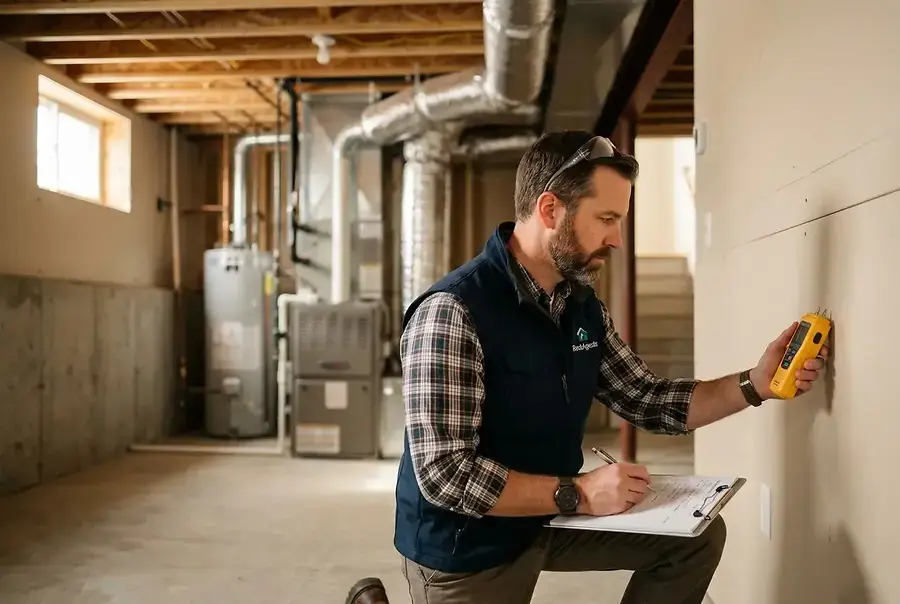
Why Home Inspections Are Critical in the Twin Cities Market
Purchasing a home is one of the most significant financial decisions you'll make in your lifetime. In the competitive Twin Cities real estate market, where properties in Minnetonka, St. Louis Park, Golden Valley, and Hopkins move quickly, many buyers feel pressured to skip crucial steps. However, a professional home inspection is non-negotiable when protecting your investment.
The Twin Cities climate presents unique challenges for homeowners. Harsh winters, temperature fluctuations, and moisture issues can cause hidden damage that isn't immediately visible. A thorough inspection reveals these problems before you sign the final papers, potentially saving you thousands of dollars in unexpected repairs.
A professional home inspection gives you peace of mind and the knowledge you need to make confident decisions about your purchase.
What Inspectors Look for in Minnetonka, St. Louis Park, Golden Valley, and Hopkins Homes
Structural Integrity and Foundation
Inspectors begin by examining the home's foundation and structural components. They look for:
- Cracks in the foundation or basement walls
- Signs of water intrusion or moisture damage
- Settling or shifting in the structure
- Proper grading around the foundation to ensure water drainage
In the Twin Cities, foundation issues are particularly important due to freeze-thaw cycles that can cause significant damage over time.
Roofing and Exterior
Your roof is your home's first line of defense against Minnesota winters. Inspectors evaluate:
- Roof age and remaining lifespan
- Missing, damaged, or curling shingles
- Proper ventilation and insulation
- Gutters, downspouts, and drainage systems
- Siding condition and potential water damage
- Windows and doors for proper sealing
HVAC Systems
Heating and cooling systems are essential in Minnesota's extreme climate. Inspectors check:
- Furnace age and operational efficiency
- Air conditioning unit condition
- Ductwork for leaks or damage
- Thermostat functionality
- Proper ventilation and air quality
Plumbing and Water Systems
Water-related issues can be costly and difficult to repair. Professional inspectors examine:
- Water pressure and flow rates
- Pipe material and condition (galvanized, copper, PEX)
- Water heater age and functionality
- Sump pump operation and battery backup
- Septic systems or municipal connections
- Evidence of leaks or water damage
Electrical Systems
Safety is paramount when evaluating electrical systems. Inspectors look for:
- Panel capacity and condition
- Proper grounding and bonding
- GFCI outlets in wet areas
- Outdated wiring that may pose fire hazards
- Adequate lighting and outlet placement
Interior Components
Inspectors also evaluate interior elements including:
- Walls, ceilings, and floors for damage or settling
- Doors and windows operation
- Insulation levels in attic and walls
- Basement or crawl space conditions
- Appliances included in the sale
Understanding Your Inspection Report and Making Informed Decisions
Decoding the Report
A comprehensive home inspection report can be lengthy and technical. Most reports categorize findings into three levels:
- Safety Issues: Problems that pose immediate danger and require urgent attention
- Major Repairs: Significant issues that will likely need repair within a few years
- Minor Issues: Small concerns that are good to know about but not urgent
What to Do With Your Findings
Once you receive your inspection report, you have several options:
Request Repairs: Ask the seller to fix critical issues before closing. This is especially common for safety concerns and major structural problems.
Negotiate Credits: Instead of repairs, request a credit toward closing costs to handle fixes yourself after purchase.
Renegotiate Price: Use inspection findings to justify a lower offer price that accounts for necessary repairs.
Walk Away: If major issues are discovered, you may decide the property isn't worth the investment.
"Don't let inspection findings overwhelm you. Every home has some issues—it's about understanding what you're getting into and making an informed decision."
Working with Your Inspector
Attend the inspection if possible. A good inspector will explain findings in detail and answer your questions. Ask about:
- Estimated repair costs for major issues
- Timeline for when repairs might be needed
- Preventative maintenance recommendations
- Remaining lifespan of major systems
Using Inspection Findings to Negotiate and Close Confidently
Armed with your inspection report, you're in a stronger negotiating position. In the Twin Cities market, sellers expect inspection-based negotiations, especially for homes in Minnetonka and surrounding suburbs where older properties are common.
Be Strategic: Prioritize your requests. Focus on safety issues and major repairs rather than cosmetic concerns. Sellers are more likely to address critical problems.
Get Multiple Quotes: If requesting credits, obtain repair estimates from licensed contractors. This gives you concrete numbers for negotiations.
Consider the Big Picture: A home with some needed repairs might still be an excellent investment if the price reflects those costs. Don't let minor issues derail a good opportunity.
Plan Your Budget: Even after negotiations, budget for unexpected repairs that may arise after purchase. A home inspection isn't perfect—some issues only become apparent once you own the property.
By understanding what inspectors evaluate and how to use their findings, you're taking control of your home-buying journey. A professional inspection is your best defense against costly surprises and your pathway to purchasing with confidence in the Twin Cities real estate market.