Essential Home Inspection Guide for Nashville Residential Buyers
Protect your investment by understanding what professional inspectors look for in Middle Tennessee residential properties.

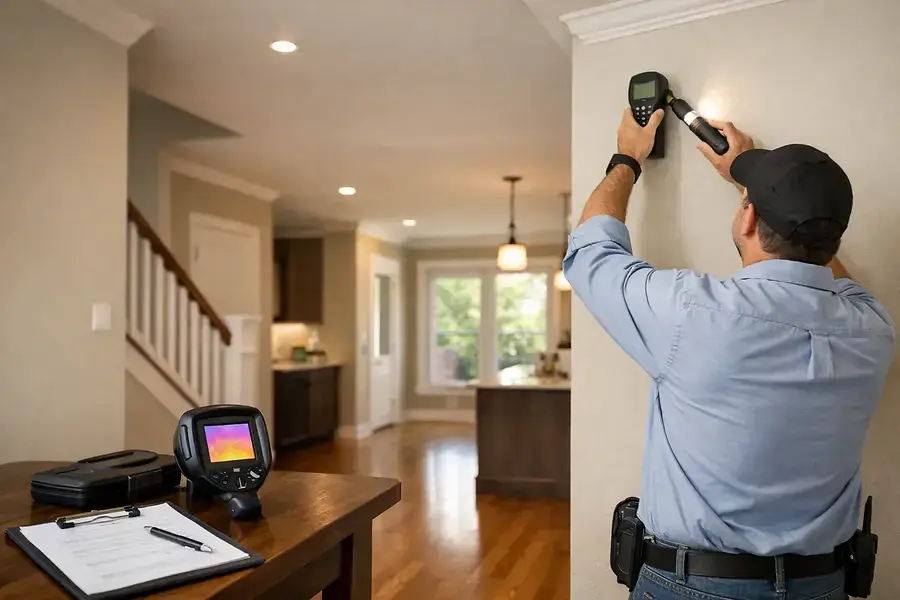
What Professional Home Inspectors Examine
A comprehensive home inspection is one of the most critical steps in the home-buying process. Professional inspectors in Nashville conduct thorough evaluations of residential properties to identify potential issues that could affect your investment. Understanding what they examine helps you make informed decisions about your purchase.
Structural Components
Inspectors begin by evaluating the home's foundation, walls, and overall structural integrity. They look for signs of settling, cracks, water damage, and any structural deficiencies that could compromise the building's stability. In Middle Tennessee, where soil conditions and weather patterns can vary significantly, this assessment is particularly important.
Roofing and Exterior
The roof is one of the most expensive components to replace. Inspectors examine shingles, flashing, gutters, and downspouts for wear, damage, or improper installation. They also assess the condition of siding, windows, doors, and exterior caulking to ensure proper weatherproofing.
Plumbing and Water Systems
Professional inspectors test water pressure, check for leaks, and evaluate the condition of pipes throughout the home. They examine water heaters, septic systems (if applicable), and drainage patterns around the property. In Nashville's climate, proper water management is essential to prevent moisture-related issues.
Electrical Systems
Inspectors verify that electrical panels, wiring, outlets, and switches meet current safety standards. They check for outdated systems, improper installations, and potential fire hazards. This is crucial for ensuring your family's safety and preventing costly electrical problems down the road.
HVAC Systems
Heating, ventilation, and air conditioning systems are thoroughly evaluated for proper operation and maintenance. Inspectors assess the age of equipment, efficiency ratings, and any signs of needed repairs. Given Nashville's hot summers and mild winters, a well-functioning HVAC system is essential for comfort and energy efficiency.
Interior Components
Inspectors examine walls, ceilings, floors, insulation, and ventilation throughout the home. They look for signs of water damage, mold, pest infestations, and other interior concerns that could affect habitability and long-term maintenance costs.
Common Issues Found in Nashville-Area Homes
Understanding the typical problems found in Middle Tennessee residential properties can help you anticipate potential issues and negotiate repairs or credits with sellers.
Water Damage and Moisture Issues
Nashville's humid climate and occasional heavy rainfall make water damage a common concern. Inspectors frequently identify:
- Roof leaks and improper drainage
- Foundation cracks allowing water infiltration
- Basement or crawlspace moisture problems
- Damaged or missing caulking around windows and doors
HVAC System Age and Condition
Many older Nashville homes have aging heating and cooling systems. Common findings include units nearing the end of their lifespan, inadequate maintenance, and systems that don't meet current efficiency standards.
Electrical System Concerns
Older homes in the Nashville area may have outdated electrical systems, including:
- Aluminum wiring (a fire hazard)
- Insufficient outlet capacity for modern living
- Outdated circuit breaker panels
- Improper grounding or bonding
Roofing Issues
Roof problems are frequently identified during inspections. These may include missing or damaged shingles, inadequate ventilation, and flashing issues that compromise the home's weatherproofing.
Plumbing Problems
Inspectors often discover plumbing issues such as corroded pipes, slow drains, water pressure problems, and outdated fixtures that may need replacement or repair.
How to Prepare for and Use Your Inspection Report
Before the Inspection
Prepare for your home inspection by ensuring the inspector has access to all areas of the property, including the attic, basement, and crawlspace. Make a list of any concerns you have about the property and share them with the inspector. This helps them focus on specific areas you're worried about.
During the Inspection
Attend the inspection if possible. This is an excellent opportunity to ask questions and learn about the home's systems and maintenance requirements. Take notes on any issues the inspector identifies and ask for clarification on technical terms or concerns.
Understanding Your Report
Home inspection reports typically categorize findings by severity. Critical issues require immediate attention and may affect your decision to purchase. Major concerns should be addressed soon to prevent further damage. Minor issues are typically maintenance items that don't pose immediate risks.
Review the report carefully and research any unfamiliar terms. Many inspection companies provide detailed explanations and recommendations for addressing identified issues. Don't hesitate to ask your real estate agent or the inspector for clarification on any findings.
Using the Report in Negotiations
Your inspection report is a valuable negotiating tool. Use documented findings to request repairs, credits toward closing costs, or price reductions. Prioritize critical and major issues when negotiating—minor maintenance items are typically the buyer's responsibility after purchase.
Next Steps After Receiving Your Inspection Results
Assess the Findings
Work with your real estate agent to evaluate the inspection results in context. Consider the age of the home, its condition relative to similar properties in Nashville, and the cost of addressing identified issues. Not every finding requires immediate action or negotiation.
Obtain Repair Estimates
For significant issues, get estimates from licensed contractors. This helps you understand the true cost of repairs and make informed decisions about whether to request seller repairs, credits, or price adjustments.
Negotiate with the Seller
Based on your inspection findings and repair estimates, negotiate with the seller. You might request that they complete repairs before closing, provide credits toward closing costs, or reduce the purchase price. Be reasonable in your requests—sellers are more likely to cooperate on significant issues than minor maintenance items.
Plan for Future Maintenance
Even if the inspection reveals no major issues, use the report as a maintenance guide. Understanding your home's systems and their condition helps you plan for future repairs and replacements. This proactive approach protects your investment and prevents costly emergency repairs.
Schedule Follow-Up Inspections
For items that the seller agrees to repair, consider scheduling a final walkthrough inspection before closing to verify that work has been completed satisfactorily. This ensures you're protected and that repairs meet acceptable standards.
Investing time in understanding your home inspection report is one of the smartest decisions you can make as a Nashville homebuyer. By knowing what inspectors look for, recognizing common issues in Middle Tennessee homes, and using your inspection results strategically, you protect your investment and ensure you're making an informed purchase decision.