Essential Home Inspection Guide for North Texas Residential Buyers
Protect your investment by understanding what inspectors look for in North Texas homes.

Understanding the Texas Home Inspection Process
Purchasing a home is one of the most significant investments you'll make in your lifetime. In North Texas, a professional home inspection is a critical step in the buying process that can save you thousands of dollars in unexpected repairs. Understanding how this process works will help you feel more confident and prepared as you move forward with your purchase.
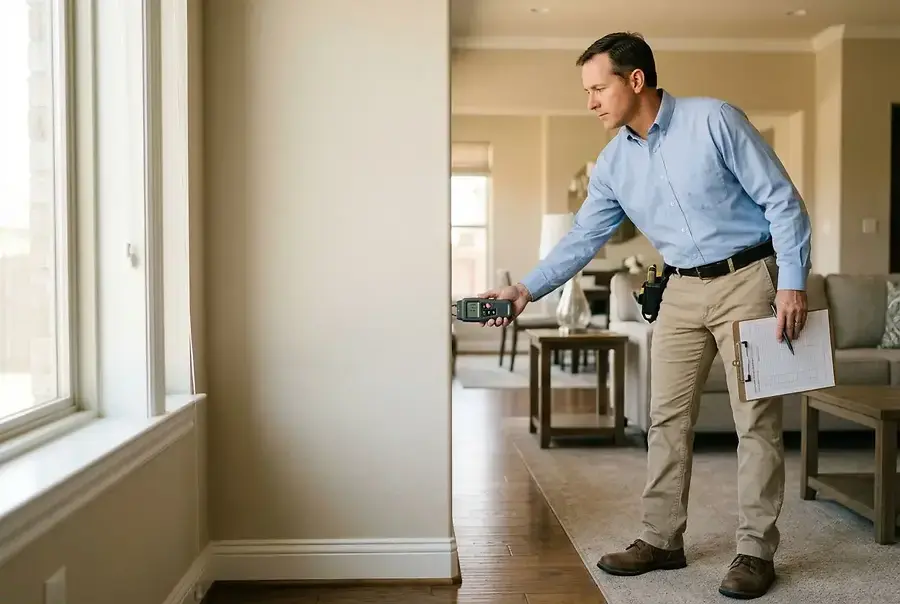
A home inspection typically takes between two to four hours, depending on the size and condition of the property. During this time, a licensed home inspector will thoroughly examine the structure, systems, and components of the home. In Texas, home inspectors must be licensed and follow the Texas Real Estate Commission (TREC) Standards of Practice, which outline exactly what must be inspected and reported.
It's important to note that you have the right to be present during the inspection. Many buyers find it valuable to walk through the property with the inspector, asking questions and learning about the home's systems firsthand. This hands-on approach gives you a better understanding of how to maintain your new home.
Key Areas Inspectors Evaluate in Residential Properties
Structural Components
Inspectors begin by evaluating the foundation, walls, and roof structure. In North Texas, where soil conditions can vary significantly, foundation issues are particularly important to assess. Inspectors look for cracks, settling, and signs of water damage that could indicate structural problems.
Roofing and Exterior
The roof is one of the most expensive components to replace, so inspectors pay close attention to its condition. They examine shingles, flashing, gutters, and downspouts. The exterior walls, windows, doors, and siding are also evaluated for damage, deterioration, and proper weatherproofing.
Plumbing Systems
Inspectors test water pressure, check for leaks, and examine the condition of pipes throughout the home. They'll look at the water heater, septic system (if applicable), and ensure all drains function properly. In North Texas, hard water is common, so inspectors may note mineral buildup in fixtures.
Electrical Systems
A thorough electrical inspection includes checking the main panel, circuit breakers, outlets, and switches. Inspectors verify that the electrical system is up to code and safe. They'll also note the age of the system and any outdated components that may need updating.
HVAC Systems
Heating and cooling systems are essential in North Texas, where temperatures can be extreme. Inspectors test both the air conditioning and heating units, check ductwork, and assess the overall efficiency of the system. They'll note the age and condition of equipment and estimate remaining lifespan.
Interior Components
Inspectors examine walls, ceilings, floors, doors, and windows for damage or defects. They check for signs of water damage, mold, pest infestation, and proper ventilation. Kitchens and bathrooms receive special attention due to their complexity and the potential for water-related issues.
Red Flags and How to Address Inspection Issues
Common Issues in North Texas Homes
Several issues are particularly common in North Texas properties. Foundation problems can develop due to the region's clay soil, which expands and contracts with moisture changes. Roof damage from hail storms is another frequent concern. Water intrusion and poor drainage can lead to costly damage if not addressed.
Understanding Your Inspection Report
Once the inspection is complete, you'll receive a detailed report categorizing findings into three levels:
- Safety Issues: Problems that pose immediate danger and require urgent attention
- Major Repairs: Significant defects that will need professional repair soon
- Minor Issues: Small problems that don't require immediate action but should be monitored
Negotiating Repairs and Credits
After reviewing the inspection report, you have several options. You can request that the seller make repairs before closing, ask for a credit toward closing costs to handle repairs yourself, or renegotiate the purchase price. In North Texas, it's common for buyers to request credits for major issues like roof repairs or foundation work.
When negotiating, focus on items that are safety concerns or require significant investment. Minor cosmetic issues are typically the buyer's responsibility after purchase. Be reasonable in your requests—sellers are more likely to agree to fair terms than excessive demands.
When to Walk Away
While most inspection issues can be resolved, some situations warrant serious consideration. Severe foundation damage, extensive mold, major structural problems, or outdated electrical systems requiring complete replacement may indicate the property isn't worth the investment. Trust your inspector's expertise and consult with professionals if you're uncertain about the severity of any issues.
Moving Forward After Your Home Inspection
Creating a Maintenance Plan
Once you've addressed inspection issues and closed on your home, create a maintenance plan to keep your investment in top condition. Regular maintenance prevents small problems from becoming expensive repairs. Schedule annual inspections of your roof, HVAC system, and plumbing to catch issues early.
Keeping Documentation
Maintain a file with your inspection report, any repair receipts, and maintenance records. This documentation is valuable for future reference and will be important if you ever sell the property. It demonstrates that you've properly maintained the home.
Building Your Home Care Knowledge
Use your inspection as a learning opportunity. Ask your inspector questions about how systems work and what signs indicate problems. Understanding your home's systems helps you identify issues early and make informed decisions about maintenance and repairs.
"A home inspection is not just about finding problems—it's about gaining peace of mind and understanding your investment."
By taking the home inspection process seriously and understanding what inspectors evaluate, you're taking a crucial step toward protecting your investment. In North Texas, where unique environmental factors can affect homes, a thorough inspection provides the knowledge you need to make confident decisions and enjoy your new home for years to come.