Essential Home Inspection Guide for Northeast Florida Buyers
Discover what to look for when inspecting properties in Clay, Duval, St. Johns, Flagler, and Nassau County before making your purchase.

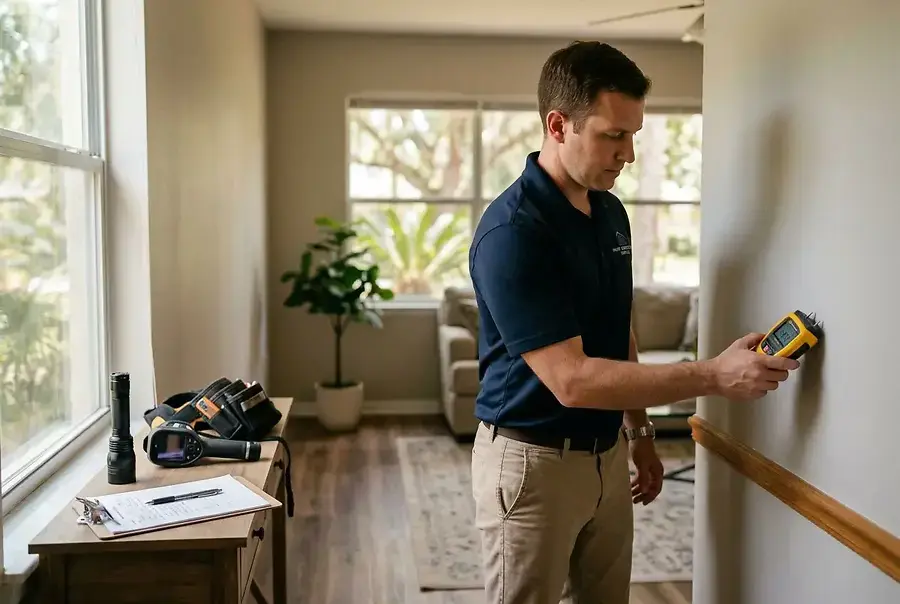
Introduction: Why Home Inspections Are Critical in Northeast Florida's Market
Purchasing a home is one of the most significant investments you'll make in your lifetime. In Northeast Florida's dynamic real estate market—spanning Clay, Duval, St. Johns, Flagler, and Nassau County—a thorough home inspection is not just recommended; it's essential. The region's unique climate, geography, and environmental factors create specific challenges that can impact property value and livability.
A professional home inspection provides you with an objective assessment of a property's condition, helping you understand what you're truly buying. Whether you're a first-time homebuyer or an experienced investor, knowing what to look for during an inspection can save you thousands of dollars in unexpected repairs and give you the confidence to make informed decisions.
Understanding Regional Concerns: Moisture, Foundation, and Coastal Factors
Moisture and Humidity Challenges
Northeast Florida's subtropical climate means high humidity levels year-round, making moisture damage one of the most common issues inspectors encounter. Water intrusion can lead to mold growth, wood rot, and structural damage if left unaddressed.
- Check for signs of water stains on ceilings and walls
- Inspect crawl spaces and attics for moisture accumulation
- Look for musty odors indicating potential mold growth
- Examine window frames and door seals for water damage
- Verify that gutters and downspouts are functioning properly
Foundation and Structural Integrity
The sandy soil composition in much of Northeast Florida can present unique foundation challenges. Properties built on fill dirt or in areas with poor drainage are particularly vulnerable to settling and cracking.
During your inspection, pay special attention to:
- Visible cracks in the foundation or concrete slab
- Uneven floors or doors that don't close properly
- Signs of previous foundation repairs or underpinning work
- Drainage patterns around the property's perimeter
- Evidence of standing water or poor grading
Coastal and Environmental Factors
Properties in coastal areas of Duval, St. Johns, and Flagler County face additional considerations. Salt air corrosion, hurricane preparedness, and flood risk are critical factors that can significantly affect property value and insurance costs.
- Assess the property's flood zone designation and elevation
- Inspect metal components for rust and corrosion
- Check roof condition and hurricane tie-down systems
- Review flood insurance requirements and costs
- Examine exterior caulking and sealants for deterioration
Roofing and Weather Protection
Given Northeast Florida's exposure to tropical storms and hurricanes, roof condition is paramount. A compromised roof can lead to catastrophic water damage and expensive repairs. Inspectors will evaluate shingle condition, flashing integrity, and overall structural soundness.
What to Expect During the Inspection Process and How to Prepare
The Inspection Timeline
A typical home inspection in Northeast Florida takes 2-4 hours, depending on the property's size and age. You should plan to be present during the inspection to ask questions and gain firsthand knowledge of the property's condition.
Key Areas Inspectors Will Examine
Professional inspectors follow a systematic approach, evaluating:
- Exterior: Roof, siding, windows, doors, and drainage systems
- Foundation and Structure: Concrete, framing, and visible support systems
- Interior Systems: Plumbing, electrical, HVAC, and appliances
- Attic and Crawl Spaces: Ventilation, insulation, and moisture conditions
- Safety Features: Smoke detectors, carbon monoxide detectors, and handrails
Preparing for Your Inspection
To make the most of your inspection experience, consider these preparation tips:
- Request a detailed inspection report that includes photographs and recommendations
- Ask your inspector about their experience with Northeast Florida properties
- Prepare a list of specific concerns or areas you want emphasized
- Ensure utilities are on so the inspector can test systems
- Clear access to attics, crawl spaces, and mechanical areas
- Have the seller provide maintenance records and warranties
Understanding the Report
A comprehensive inspection report should clearly distinguish between minor maintenance items and significant structural or safety concerns. Don't hesitate to ask your inspector for clarification on any findings.
The report will typically categorize issues by severity, allowing you to prioritize repairs and negotiate with the seller if necessary. Items marked as "safety hazards" or "major repairs needed" warrant serious consideration before proceeding with your purchase.
Conclusion: Using Inspection Results to Make Confident Offers
A thorough home inspection is your opportunity to make an informed decision about one of life's biggest purchases. In Northeast Florida's unique environment—with its moisture challenges, coastal considerations, and regional building concerns—understanding inspection results is crucial.
After receiving your inspection report, you have several options:
- Request repairs from the seller before closing
- Negotiate a price reduction to account for repairs you'll handle
- Request escrow funds for future repairs
- Walk away from the deal if major issues are discovered
Remember, an inspection is not meant to kill a deal—it's meant to protect your investment. By understanding what to look for and asking the right questions, you'll enter the closing process with confidence, knowing exactly what you're purchasing and what to expect in terms of maintenance and repairs.
Whether you're buying in Jacksonville's urban neighborhoods, the growing communities of St. Johns County, or the coastal charm of Flagler County, a professional home inspection tailored to Northeast Florida's specific concerns is an investment that pays dividends in peace of mind and financial protection.