Essential Home Inspection Guide for Northern Colorado Residential Buyers
What every residential buyer in Fort Collins and Denver needs to know before closing on their new home.

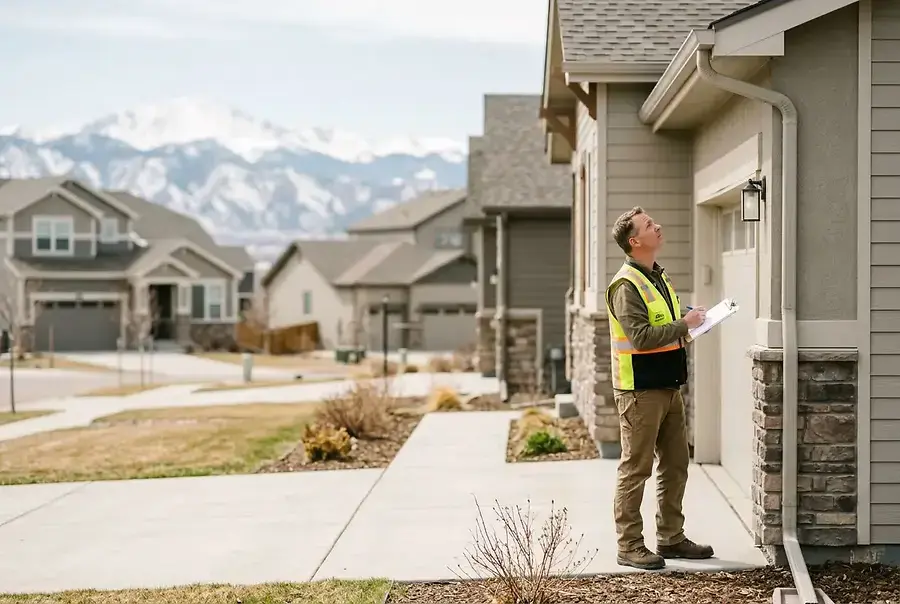
Understanding the Home Inspection Process and Why It Matters
Purchasing a home is one of the most significant investments you'll make in your lifetime. In Northern Colorado, where properties range from historic Denver neighborhoods to newer Fort Collins developments, a professional home inspection is not just recommended—it's essential. A thorough inspection provides you with a detailed understanding of your potential property's condition before you commit to the purchase.
A standard home inspection typically lasts two to three hours and covers all major systems and components of the property. During this time, a certified inspector will examine:
- Structural integrity and foundation
- Roofing and exterior conditions
- Plumbing and water systems
- Electrical systems and safety
- HVAC systems and heating efficiency
- Interior walls, ceilings, and flooring
- Appliances and built-in systems
Why this matters for Northern Colorado buyers: The region's unique climate, with its high altitude, intense UV exposure, and occasional hail storms, can accelerate wear on roofing materials and exterior finishes. Additionally, many properties in the Denver metro area were built decades ago and may have outdated electrical systems or plumbing that requires attention.
Choosing the Right Inspector
Not all inspectors are created equal. Look for inspectors who are certified by the American Society of Home Inspectors (ASHI) or the National Association of Home Inspectors (NAHI). These professionals adhere to strict standards of practice and carry liability insurance. Ask for references and choose someone with specific experience in Northern Colorado properties.
Red Flags to Watch For: Common Issues Found in Northern Colorado Properties
Understanding the most common issues in Northern Colorado homes can help you ask the right questions during your inspection and identify potential problems early.
Roof and Weather-Related Damage
Northern Colorado's intense sun and occasional hail storms take a toll on roofing materials. Look for missing shingles, granule loss, or signs of previous hail damage. Many insurance companies in the region have become more selective about coverage, so roof condition directly impacts your ability to insure the property.
Foundation and Structural Issues
Colorado's dry climate can cause soil to shift and settle unevenly. Watch for cracks in the foundation, sloping floors, or doors that don't close properly. While minor cracks are common, larger or expanding cracks warrant further investigation by a structural engineer.
Water Damage and Moisture Problems
Despite the arid climate, water intrusion remains a concern in Northern Colorado homes. Check basements and crawl spaces for signs of moisture, efflorescence (white mineral deposits), or mold. Improper grading around the foundation or inadequate drainage systems can lead to costly water damage.
Outdated Electrical Systems
Older homes in Denver and surrounding areas may have outdated electrical panels, aluminum wiring, or insufficient outlets for modern living. These issues can pose safety risks and may require upgrades to meet current code standards.
HVAC System Age and Efficiency
Heating systems are critical in Northern Colorado winters. Inspect the age and condition of furnaces and air conditioning units. Systems older than 15-20 years may be less efficient and could fail during the heating season, resulting in expensive emergency repairs.
Negotiating Repairs and Next Steps After Your Inspection
Once you receive your inspection report, you have several options for moving forward. This is where strategic negotiation becomes important.
Understanding Your Inspection Report
A comprehensive inspection report will categorize findings by severity. Major issues require immediate attention and can significantly impact the property's value. Minor issues are typically maintenance items or cosmetic concerns. Review the report carefully and ask your inspector to clarify any findings you don't understand.
Negotiation Strategies
You have three primary options after receiving your inspection report:
- Request repairs: Ask the seller to fix major issues before closing. This is most effective for structural, safety, or system-related problems.
- Request credits: Negotiate a reduction in the purchase price to cover repair costs yourself. This gives you control over the quality of work.
- Accept as-is: Proceed without requesting changes. This is typically only advisable if issues are minor or you've already factored them into your offer.
In Northern Colorado's competitive real estate market, sellers may be reluctant to make extensive repairs. However, major safety issues or system failures are legitimate negotiation points. Work with your real estate agent to determine what's reasonable based on comparable properties and current market conditions.
Getting Additional Inspections
For significant concerns identified in the general inspection, consider hiring specialists. A structural engineer can assess foundation issues, a roofer can evaluate roof condition, and a plumber can inspect older plumbing systems. These targeted inspections provide detailed information for negotiation.
Conclusion: Making Informed Decisions with Confidence
A home inspection is your opportunity to make an informed decision about one of life's biggest purchases. In Northern Colorado, where properties vary widely in age and condition, this step is invaluable. By understanding the inspection process, knowing what to look for, and negotiating strategically, you can move forward with confidence.
Remember: No home is perfect, and inspection reports often reveal minor issues that are simply part of homeownership. The goal isn't to find a flawless property—it's to understand what you're buying and make decisions based on complete information. Whether you're purchasing a historic Denver home or a newer Fort Collins property, a thorough inspection protects your investment and gives you peace of mind as you begin this exciting new chapter.
Take your time with the inspection process, ask questions, and don't hesitate to seek professional advice when needed. Your future self will thank you for the diligence you invest today.