Essential Home Inspection Guide for Northern Virginia Homebuyers
Discover what professional inspectors look for and how to protect your investment in Ashburn, Centreville, Chantilly, and beyond.

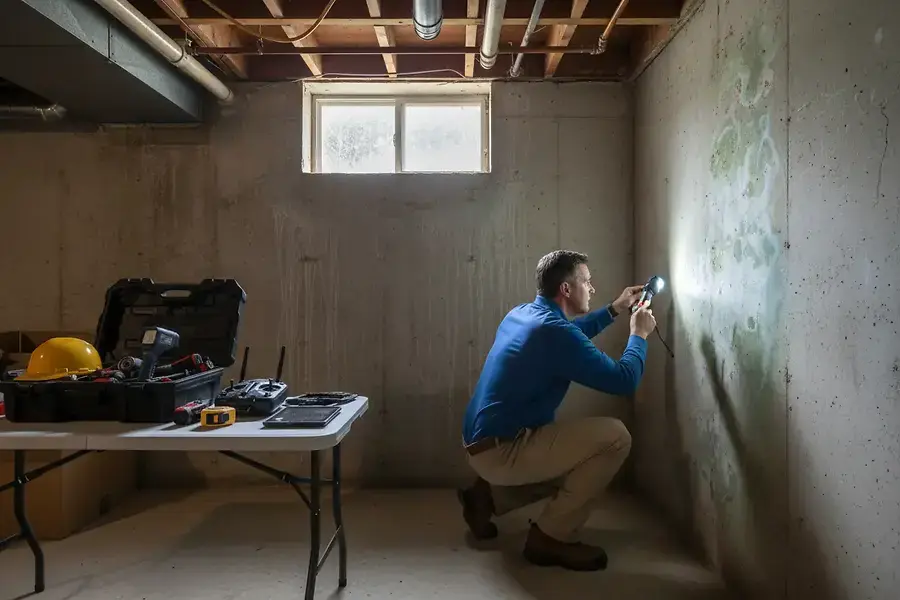
Why Home Inspections Matter in Northern Virginia's Competitive Market
Buying a home in Northern Virginia is one of the most significant investments you'll make. With the region's competitive real estate market, it's easy to get caught up in the excitement and overlook critical details. A professional home inspection is your safeguard—a thorough evaluation that can reveal hidden problems before you commit to a purchase.
In Northern Virginia's diverse communities like Ashburn, Centreville, and Chantilly, homes range from newly constructed developments to established neighborhoods with older properties. Each presents unique considerations. A comprehensive inspection protects your financial interests and gives you the information needed to negotiate confidently or walk away if necessary.
What Professional Inspectors Evaluate: Structural, Electrical, Plumbing, and HVAC Systems
Structural Integrity
Professional inspectors begin by assessing the home's foundation and overall structural soundness. They look for:
- Foundation cracks or settling issues
- Roof condition and remaining lifespan
- Wall alignment and framing problems
- Signs of water damage or moisture intrusion
- Basement or crawlspace conditions
Northern Virginia's clay soil and seasonal weather patterns can impact foundations over time. Inspectors understand these regional factors and know what to look for specifically in this area.
Electrical Systems
A safe electrical system is non-negotiable. Inspectors evaluate:
- Panel capacity and condition
- Wiring type and safety compliance
- Outlet and switch functionality
- Grounding and bonding systems
- Presence of outdated or hazardous components
Older homes in Northern Virginia may still have aluminum wiring or outdated panels, which can pose safety risks and require upgrades before purchase.
Plumbing Systems
Water damage is one of the costliest issues homeowners face. Inspectors check:
- Pipe material and condition
- Water pressure and flow
- Drainage functionality
- Signs of leaks or corrosion
- Water heater age and condition
- Septic systems (where applicable)
Many Northern Virginia homes built in the 1980s and 1990s may have polybutylene pipes, which are prone to failure and should be replaced.
HVAC Systems
Heating and cooling systems are essential for comfort and represent significant replacement costs. Inspectors assess:
- Furnace and air conditioning unit age and efficiency
- Ductwork condition and sealing
- Thermostat functionality
- Maintenance history and cleanliness
- System capacity for the home's size
Common Issues Found in Northern Virginia Homes and How to Address Them
Moisture and Water Damage
Northern Virginia's humid climate and seasonal rainfall make moisture management critical. Common issues include:
- Basement dampness or flooding
- Roof leaks and improper drainage
- Inadequate grading around the foundation
Solution: Request a moisture remediation estimate and ensure proper gutters, downspouts, and grading are in place before closing.
Aging Infrastructure
Homes in established Northern Virginia neighborhoods may have aging systems that need updating. Common findings include:
- Outdated electrical panels requiring upgrades
- Aging plumbing with corrosion or leaks
- HVAC systems nearing the end of their lifespan
Solution: Use inspection findings to negotiate repairs or credits toward replacement costs. Budget for system upgrades in your financial planning.
Roof Condition
Northern Virginia's weather—from summer heat to winter snow—takes a toll on roofs. Inspectors look for:
- Missing or damaged shingles
- Flashing issues around chimneys and vents
- Sagging or structural concerns
Solution: Request a professional roof inspection if concerns arise. A new roof is a major expense; knowing its condition helps you plan accordingly.
HVAC Inefficiency
Many homes have HVAC systems that are outdated or poorly maintained, leading to higher energy bills. Inspectors note:
- System age and efficiency ratings
- Maintenance records
- Signs of wear or malfunction
Solution: Factor replacement costs into your offer or negotiate for seller credits to upgrade to energy-efficient systems.
Using Inspection Results to Negotiate and Make Confident Offers
A home inspection report is a powerful negotiating tool. Don't view inspection findings as deal-breakers—view them as information that empowers you.
Negotiation Strategies
Request Repairs: For significant issues, ask the seller to complete repairs before closing. This ensures work is done to code and with proper permits.
Negotiate Credits: If repairs are extensive, request a credit toward closing costs or a price reduction. You can then hire contractors of your choice.
Walk Away if Necessary: If inspection reveals major structural, electrical, or plumbing issues that would be costly to repair, you have the right to terminate the purchase agreement during the inspection contingency period.
Making Confident Offers
Armed with inspection knowledge, you can make offers with confidence. You understand the home's true condition, can budget for necessary repairs, and won't face unexpected surprises after closing. In Northern Virginia's competitive market, this knowledge is invaluable.
Remember: A professional home inspection typically costs $300-$500 but can save you thousands in unexpected repairs and provide peace of mind in one of life's biggest decisions.
Whether you're buying in Ashburn's newer developments, Centreville's established neighborhoods, or Chantilly's diverse communities, a thorough home inspection is your best investment. Work with a qualified inspector who understands Northern Virginia's unique housing stock and regional challenges. Your future home—and your wallet—will thank you.