Essential Home Inspection Guide for Northwest Arkansas Buyers
Discover what professional inspectors look for and how to protect your investment in residential properties across the region.

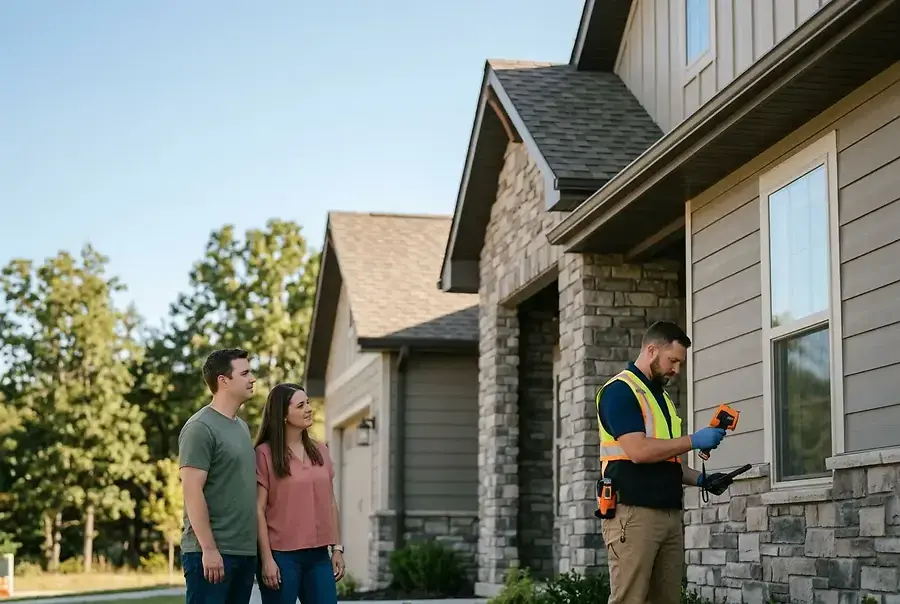
Why Home Inspections Matter in Northwest Arkansas
Purchasing a home is one of the most significant financial decisions you'll make in your lifetime. In Northwest Arkansas, where the real estate market continues to grow and evolve, a professional home inspection has become an indispensable part of the buying process. Whether you're purchasing a newly constructed home in Bentonville, a charming older property in Fayetteville, or a residential gem in Rogers, a thorough inspection provides peace of mind and protects your investment.
Home inspections serve as an objective evaluation of a property's condition, identifying potential issues before you commit to the purchase. This detailed assessment allows you to make informed decisions, negotiate repairs or credits with sellers, and plan for future maintenance expenses. In a competitive regional market, understanding what inspectors look for gives you a significant advantage.
Understanding the Key Areas Inspectors Evaluate
Structural Components and Foundation
Professional inspectors begin by examining the home's foundation and structural integrity. They look for signs of settling, cracks, water damage, and structural movement. In Northwest Arkansas, where soil composition varies across the region, foundation issues can be particularly important to assess. Inspectors will check:
- Foundation cracks and their severity
- Water intrusion and moisture problems
- Proper grading around the foundation
- Basement or crawl space conditions
Roofing and Exterior Systems
The roof is your home's first line of defense against the elements. Inspectors evaluate roofing materials, age, condition, and proper installation. They also examine gutters, downspouts, siding, windows, and doors. Given the region's weather patterns, including occasional severe storms, a well-maintained roof is crucial for long-term property protection.
Plumbing and Water Systems
A comprehensive inspection includes checking all visible plumbing fixtures, water pressure, drainage systems, and the water heater. Inspectors test for leaks, corrosion, and proper venting. They'll also evaluate the water supply source and any septic systems if applicable. Water-related issues can be expensive to repair, making this evaluation particularly important.
Electrical Systems
Electrical safety is paramount. Inspectors examine the main electrical panel, circuit breakers, wiring, outlets, and switches. They verify that the electrical system meets current safety codes and can handle the home's power demands. Outdated or faulty electrical systems pose serious safety risks and may require upgrades.
HVAC Systems
Heating, ventilation, and air conditioning systems are evaluated for proper operation, age, and maintenance. Inspectors check furnaces, air conditioners, thermostats, and ductwork. In Northwest Arkansas, where summers can be warm and winters require reliable heating, a functioning HVAC system is essential for comfort and energy efficiency.
Interior Components
Inspectors examine walls, ceilings, floors, doors, and windows for damage, water stains, or structural concerns. They look for signs of pest infestations, mold, or other environmental hazards. The condition of interior finishes can indicate broader maintenance issues within the home.
Common Issues Found in Regional Properties and Prevention Tips
Moisture and Water Damage
Northwest Arkansas's climate can create moisture challenges. Common issues include:
- Basement moisture: Ensure proper grading and consider installing a sump pump
- Attic moisture: Verify adequate ventilation and proper insulation
- Roof leaks: Maintain gutters and inspect roof regularly
Prevention tip: Have gutters cleaned twice yearly and ensure downspouts direct water at least six feet from the foundation.
HVAC System Age and Efficiency
Many properties in the region have aging HVAC systems. Regular maintenance extends system life and improves efficiency. Schedule annual inspections before heating and cooling seasons, replace filters regularly, and consider upgrading systems over 15 years old.
Electrical System Updates
Older homes may have outdated electrical systems that don't meet current safety standards. If an inspection reveals concerns, budget for potential upgrades. Modern electrical systems provide better safety and support today's power demands.
Pest and Termite Issues
The region's climate can attract various pests. Many inspectors recommend separate pest and termite inspections. Early detection prevents costly structural damage. Maintain proper drainage, eliminate standing water, and seal entry points around your home.
Roof Condition and Age
Roofs typically last 15-25 years depending on materials and maintenance. If your inspection reveals an aging roof, budget for replacement within the next few years. Regular maintenance, including cleaning and minor repairs, extends roof life.
Making Informed Decisions with Inspection Reports
Once you receive the inspection report, take time to review it thoroughly. Don't panic over minor issues—every home has some concerns. Instead, focus on significant structural problems, safety hazards, and major system failures.
Use the report to:
- Negotiate repairs or credits with the seller
- Plan a maintenance and repair budget
- Understand the home's condition and future needs
- Make an informed final decision about the purchase
Consider requesting that the seller address critical safety issues before closing. For other items, you might negotiate credits to handle repairs yourself or accept the property as-is with appropriate price adjustments.
"A professional home inspection is an investment in your peace of mind and financial security. It's one of the most important steps in the home buying process."
Working with a qualified, licensed home inspector in Northwest Arkansas ensures you receive a thorough, professional evaluation. Don't skip this crucial step in your home buying journey. The small investment in an inspection can save you thousands in unexpected repairs and provide invaluable confidence in your purchase decision.