Essential Home Inspection Guide for Oklahoma City Home Buyers
Discover what professional inspectors look for and how to protect your investment before closing on your new home.

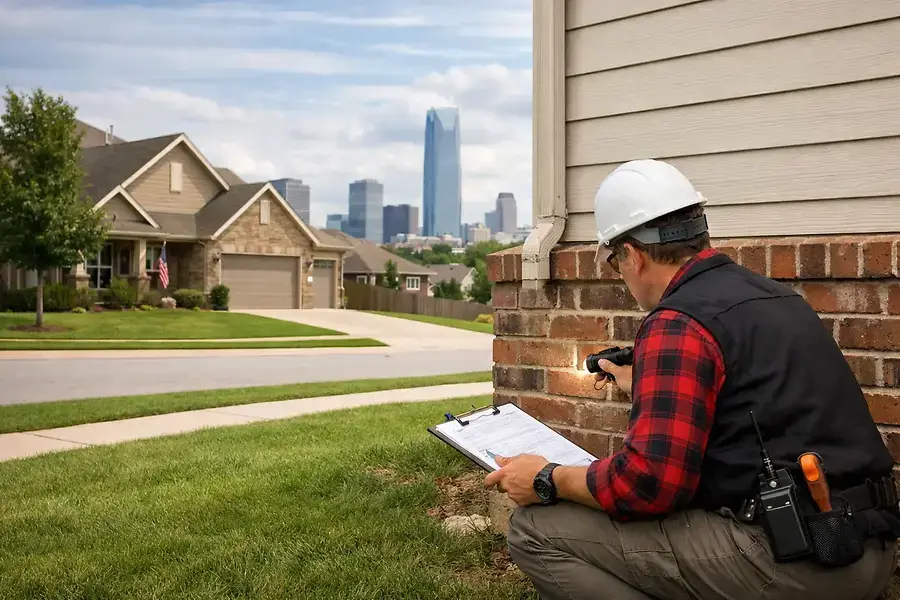
Understanding the Home Inspection Process in Oklahoma City
A home inspection is one of the most critical steps in the home-buying process. This thorough evaluation of a property's condition gives you valuable insight into what you're purchasing and helps protect your investment. In Oklahoma City, professional home inspectors examine everything from the foundation to the roof, identifying potential issues that may not be visible to the untrained eye.
During a typical inspection, which usually lasts two to three hours, the inspector will evaluate the structural integrity, electrical systems, plumbing, HVAC systems, and overall condition of the home. It's essential to be present during the inspection so you can ask questions and understand the findings firsthand. Many inspectors will walk you through the property and explain what they're looking for and what they discover.
What to Expect During Your Inspection
Professional inspectors follow a systematic approach when evaluating a home. They typically start with the exterior, checking the roof, siding, gutters, and foundation. Next, they move inside to examine:
- Electrical systems and outlets
- Plumbing fixtures and water pressure
- HVAC systems and heating/cooling efficiency
- Insulation and ventilation
- Windows and doors
- Interior walls and ceilings for water damage or cracks
After the inspection, you'll receive a detailed report documenting all findings, including photographs and recommendations for repairs or further evaluation.
Common Issues Found in Oklahoma City Homes and How to Address Them
Oklahoma City's climate and geography create specific challenges for homeowners. Understanding these common issues will help you make informed decisions about your purchase.
Foundation and Structural Concerns
Oklahoma's expansive clay soil can cause foundation settling and cracking over time. Foundation issues are serious and require professional evaluation. If your inspector identifies cracks or uneven settling, request a structural engineer's assessment before proceeding. Minor cracks may be cosmetic, but significant damage could require expensive repairs.
Roof and Weather-Related Damage
Severe weather, including hail and high winds, is common in Oklahoma. Check for missing shingles, granule loss, or signs of water damage in the attic. A roof inspection by a roofing specialist may be warranted if the home is older or shows signs of wear.
HVAC System Efficiency
Oklahoma's hot summers and cold winters mean your heating and cooling systems work hard year-round. Older HVAC units may be inefficient or nearing the end of their lifespan. Budget for potential replacement costs if the system is more than 10-15 years old.
Plumbing and Water Quality
Hard water is common in Oklahoma, which can affect pipes and fixtures. Inspectors will check for leaks, water pressure issues, and signs of corrosion. If the home has older galvanized pipes, consider budgeting for eventual replacement.
Electrical System Updates
Older homes may have outdated electrical systems that don't meet current safety standards. Ensure the home has adequate grounding and circuit capacity for modern appliances and devices. Outdated wiring or insufficient outlets may require upgrades.
Negotiating Repairs and Credits After Inspection Results
Once you receive the inspection report, you have options for how to proceed. This is where negotiation becomes crucial to protecting your investment.
Reviewing the Report Carefully
Don't be alarmed by a lengthy inspection report—most homes have some issues. Focus on significant problems that affect safety, structural integrity, or major systems. Minor cosmetic issues are typically the buyer's responsibility after closing.
Requesting Repairs or Credits
You have several options when addressing inspection findings:
- Request repairs: Ask the seller to fix major issues before closing
- Request credits: Negotiate a credit toward closing costs to handle repairs yourself
- Request price reduction: Ask for a lower purchase price to account for needed repairs
- Walk away: If major issues are discovered, you may have grounds to terminate the contract
Working with Your Real Estate Agent
Your real estate agent is invaluable during negotiations. They understand local market conditions and can advise on reasonable repair requests. Be realistic in your requests—sellers are more likely to agree to reasonable demands than extensive repairs.
Pro Tip: Obtain multiple quotes for major repairs before negotiating. This gives you concrete numbers to support your requests and demonstrates you've done your homework.
Moving Forward with Confidence: Final Steps Before Closing
After inspection negotiations are complete, you're in the home stretch toward closing day.
Final Walk-Through
Schedule a final walk-through 24 hours before closing to verify that agreed-upon repairs were completed satisfactorily. Check that the home is in the condition you expected and that no new damage has occurred.
Obtaining Homeowners Insurance
Your lender will require proof of homeowners insurance before closing. Shop around for competitive rates and ensure your policy covers the home's replacement value. Discuss any inspection findings with your insurance agent, as some issues may affect your coverage or premiums.
Creating a Maintenance Plan
Use your inspection report as a maintenance guide. Address recommended repairs promptly and establish a regular maintenance schedule for HVAC systems, plumbing, and other major components. Preventive maintenance saves money in the long run.
Keeping Documentation
Maintain copies of your inspection report, repair receipts, and any warranties for future reference. This documentation is valuable for future home sales and helps you track the home's maintenance history.
By understanding the home inspection process and taking these steps seriously, you're protecting one of your most significant investments. A thorough inspection gives you peace of mind and the information needed to make confident decisions about your Oklahoma City home purchase.


