Essential Home Inspection Guide for Omaha Residential Buyers
A comprehensive guide to understanding inspections, identifying red flags, and protecting your investment in Omaha's residential market.

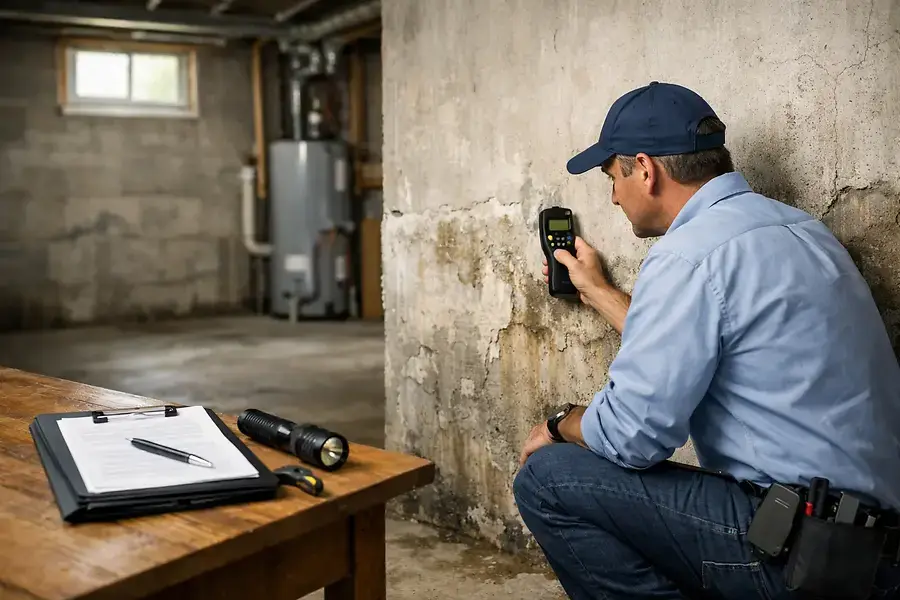
Understanding the Home Inspection Process in Omaha
A home inspection is one of the most critical steps in the residential buying process. In Omaha, this typically involves hiring a licensed inspector to thoroughly evaluate the property's structural integrity, mechanical systems, and overall condition. The inspection usually takes two to three hours and covers everything from the foundation to the roof.
During the inspection, a qualified professional will examine:
- Structural components and foundation
- Roofing and gutters
- Plumbing and water systems
- Electrical systems and panels
- HVAC systems and heating
- Insulation and ventilation
- Windows, doors, and exterior condition
It's important to attend the inspection in person whenever possible. This allows you to ask questions directly and understand the property's condition firsthand. The inspector will provide a detailed report within a few days, documenting findings and recommendations for repairs or further evaluation.
Common Issues Found in Omaha Homes and How to Address Them
Moisture and Water Damage
Omaha's climate can be challenging for homes, particularly regarding moisture management. Water intrusion and basement dampness are among the most common issues found during inspections. Look for signs of water stains, mold, or efflorescence on basement walls. These issues can be addressed through proper grading, sump pump installation, or interior waterproofing solutions.
Roof Condition and Age
Roofing is a significant investment, and Omaha's weather patterns—including heavy snow and hail—can accelerate wear. Inspectors will assess shingle condition, flashing integrity, and overall age. A roof nearing the end of its lifespan should be factored into your negotiation strategy.
HVAC System Efficiency
Heating and cooling systems are crucial in Omaha's climate. Inspectors evaluate furnace age, air conditioning capacity, and ductwork condition. Older systems may require replacement, which is a substantial expense to consider.
Electrical and Plumbing Updates
Older Omaha homes may have outdated electrical panels or plumbing materials. Knob-and-tube wiring or galvanized pipes are red flags that indicate the need for modernization. These upgrades improve safety and home value.
Foundation Issues
Cracks in the foundation are common in Omaha due to soil composition and freeze-thaw cycles. Minor cracks are typically not concerning, but significant structural cracks require professional evaluation and potential repair.
Negotiating Repairs and Inspection Contingencies
Understanding Your Contingency Rights
In Omaha, most purchase agreements include an inspection contingency period—typically 7 to 10 days. This window allows you to review the inspection report and decide how to proceed. You have three main options:
- Request the seller make repairs before closing
- Negotiate a credit toward repairs you'll handle yourself
- Walk away from the deal without penalty
Prioritizing Repair Requests
Not every issue found requires negotiation. Focus on major structural, safety, and system concerns rather than cosmetic items. Sellers are more likely to agree to repairs that affect the home's integrity or functionality.
"The key to successful negotiation is distinguishing between deal-breakers and minor maintenance items. Professional inspectors help you understand which issues truly matter."
Getting Repair Estimates
Before negotiating, obtain written estimates for significant repairs. This gives you concrete numbers to discuss with the seller and their agent. Be realistic about costs—sellers will likely verify estimates themselves.
Why Professional Inspections Save Money and Stress
Preventing Costly Surprises
Skipping a professional inspection to save the inspection fee is penny-wise but pound-foolish. A thorough inspection can reveal issues that would cost thousands to repair after purchase. The average inspection fee of $300-$500 is minimal compared to potential repair costs.
Gaining Negotiating Power
A detailed inspection report provides documentation for your negotiations. Rather than making vague claims about the property's condition, you have professional findings to support your requests. This strengthens your position with the seller.
Protecting Your Investment
Your home is likely the largest investment you'll make. A professional inspection protects that investment by ensuring you understand exactly what you're purchasing. You'll have peace of mind knowing the property has been thoroughly evaluated by an expert.
Planning for Future Maintenance
The inspection report serves as a roadmap for future maintenance. You'll know which systems are aging and when replacements might be needed. This allows you to budget appropriately and avoid emergency repairs.
Building Confidence in Your Decision
Whether the inspection reveals minor issues or significant concerns, you'll make your purchasing decision with complete information. This confidence is invaluable—you won't wonder later if you missed something important.
In conclusion, a professional home inspection is an essential component of buying residential property in Omaha. By understanding the inspection process, recognizing common issues, and negotiating effectively, you protect your investment and ensure a smoother transaction. Don't let the inspection contingency period pass without taking full advantage of this critical opportunity to evaluate your potential new home.


