Essential Home Inspection Guide for Oshkosh Residential Buyers
Master the critical steps to protect your investment and avoid costly surprises when purchasing residential property in Wisconsin.

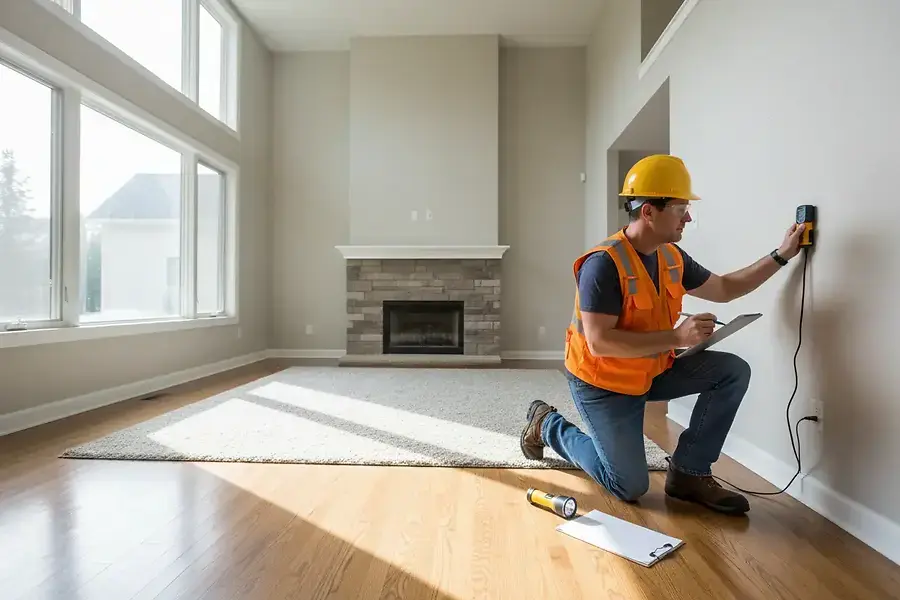
Introduction: Why Home Inspections Matter in Oshkosh's Real Estate Market
Purchasing a home is one of the most significant financial decisions you'll make in your lifetime. In Oshkosh's competitive real estate market, a thorough home inspection is your best defense against unexpected repairs and costly surprises. Whether you're a first-time buyer or an experienced investor, understanding the inspection process can mean the difference between a sound investment and a financial burden.
A professional home inspection provides an objective assessment of a property's condition, revealing issues that might not be visible during a casual walkthrough. From structural concerns to mechanical systems, inspectors examine every aspect of the home to give you the information needed to make an informed decision.
What Professional Inspectors Look For: Key Areas and Red Flags
Structural Integrity and Foundation
The foundation is the backbone of any home. Professional inspectors examine foundations for cracks, settling, water damage, and signs of structural movement. In Oshkosh, where freeze-thaw cycles are common, foundation issues are particularly important to identify early.
- Foundation cracks: Small hairline cracks are normal, but larger cracks may indicate serious problems
- Water intrusion: Basement moisture, efflorescence, or standing water suggests drainage issues
- Uneven floors: Sloping or sagging floors can indicate foundation settlement
Roofing and Exterior
Your roof protects everything beneath it. Inspectors assess roof condition, age, and remaining lifespan while checking for missing shingles, leaks, and improper ventilation.
- Roof age: Most asphalt shingle roofs last 15-20 years
- Flashing issues: Damaged flashing around chimneys and vents causes leaks
- Gutter condition: Clogged or damaged gutters lead to water damage
- Siding deterioration: Rotting wood, missing sections, or pest damage
Plumbing Systems
Water systems are critical to daily living. Inspectors test water pressure, check for leaks, examine pipe materials, and assess water heater condition.
- Galvanized pipes: Older homes may have corroded pipes that need replacement
- Water heater age: Most units last 8-12 years
- Drain functionality: Slow drains or backups indicate blockages
- Visible leaks: Under sinks, around toilets, or in basements
Electrical Systems
Faulty electrical systems pose serious safety risks. Inspectors evaluate the main panel, wiring, outlets, and grounding to ensure everything meets current safety standards.
- Outdated panels: Fuse boxes or inadequate service for modern needs
- Knob-and-tube wiring: Dangerous old wiring that should be replaced
- Improper grounding: Two-prong outlets in bathrooms or kitchens
- Overloaded circuits: Too many outlets on single circuits
HVAC Systems
Heating and cooling systems are essential for comfort and safety. Inspectors check furnace and air conditioner age, efficiency, and maintenance history.
- System age: Most HVAC systems last 15-20 years
- Maintenance records: Regular servicing indicates proper care
- Carbon monoxide safety: Furnaces must be properly vented
- Refrigerant leaks: Indicates cooling system problems
Interior Conditions
Inspectors examine walls, ceilings, floors, windows, and doors for damage, moisture, and functionality. They also check for signs of pests, mold, or previous water damage.
"A thorough inspection reveals not just what's broken, but what will need attention in the coming years, helping you budget for future maintenance."
Preparing for Your Inspection: Questions to Ask and Documentation to Review
Questions to Ask the Inspector
Don't be shy about asking questions during the inspection. Here are essential topics to discuss:
- What is the estimated remaining lifespan of major systems?
- Are there any safety concerns I should address immediately?
- What maintenance issues are most urgent?
- What repairs are cosmetic versus structural?
- Are there signs of previous damage that was repaired?
- What's your professional recommendation regarding this property?
Documentation to Request from the Seller
Before the inspection, request important documents from the seller:
- Maintenance records: HVAC servicing, roof repairs, plumbing work
- Warranty information: Appliances, roof, or recent renovations
- Permits and inspections: Documentation of any major work completed
- Previous inspection reports: If available from prior sales
- Insurance claims: History of water damage or other claims
Preparing Yourself
Attend the inspection in person when possible. Wear comfortable clothes and shoes suitable for walking through basements and attics. Bring a notebook to jot down questions and observations. Ask the inspector to explain findings in detail and take photos of any concerns for your records.
Conclusion: Using Inspection Findings to Negotiate and Make Confident Offers
Once you receive the inspection report, you have several options. Minor issues might be acceptable and factored into your offer price. Major repairs could warrant renegotiating the purchase price or requesting the seller make repairs before closing. Deal-breakers like severe structural damage or extensive mold might mean walking away from the property.
Use the inspection report as a negotiation tool, not a weapon. Present findings professionally and get repair estimates from licensed contractors. This gives you concrete numbers for discussions with the seller.
A thorough home inspection is an investment in your peace of mind. By understanding what inspectors look for, preparing appropriate questions, and carefully reviewing findings, you'll make a confident, informed decision about your Oshkosh home purchase. Remember, the goal isn't to find a perfect home—it's to understand exactly what you're buying and make a decision that's right for your situation and budget.


